World · India Bureau
Invasive plant species traced to 19th-century Massachusetts port
Scientists have identified leafy spurge, a destructive invasive plant species now widespread across North America, likely arrived through ship ballast dumped in Massachusetts in 1827. The plant has since caused significant ecological damage across multiple regions.
LSN India ·
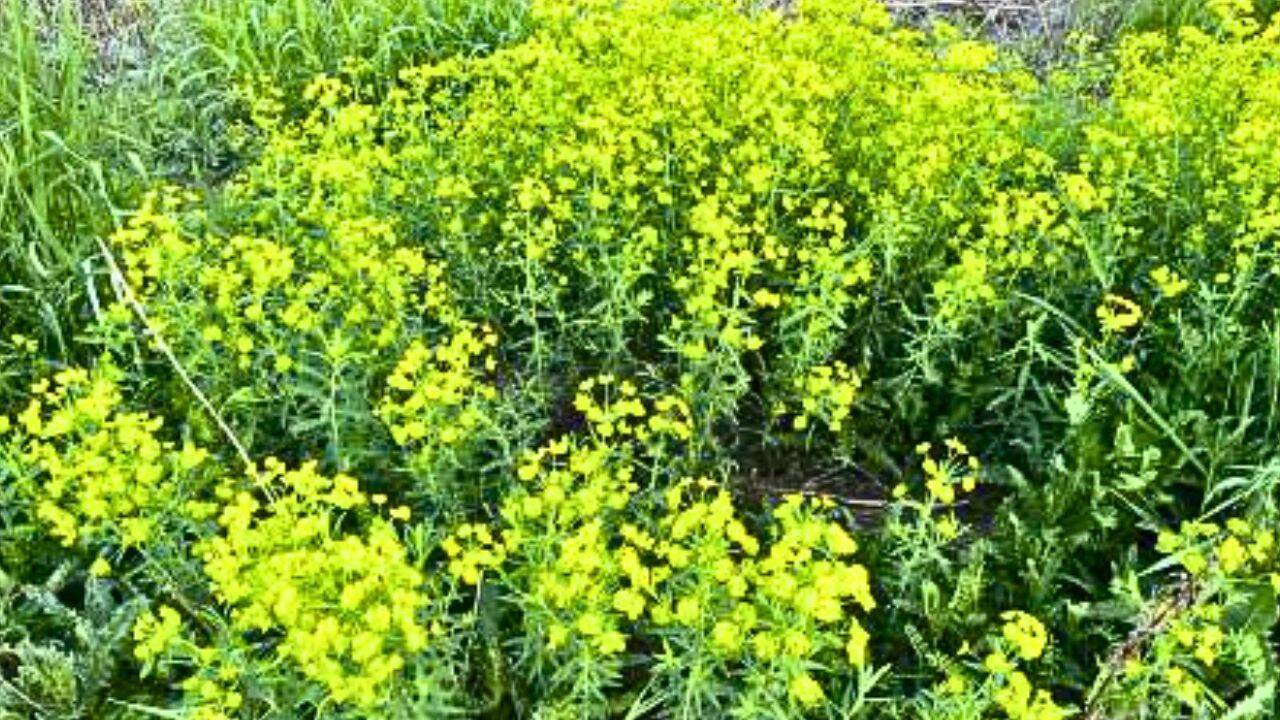
Leafy spurge, an invasive plant species that has ravaged ecosystems across North America, appears to have entered the continent through a Massachusetts port in the early 19th century. The plant was first recorded in Newbury, Massachusetts, in 1827, where it likely arrived in ballast material discharged from ships, according to historical records.
From this initial foothold, leafy spurge spread rapidly across the northern United States and into Canada during the early 1900s. The species established itself across multiple states and regions, including Iowa and the Canadian province of Ontario, demonstrating its capacity to adapt to diverse climates and soil conditions.
The ecological impact of leafy spurge has proven substantial. The invasive species aggressively replaces native vegetation, fundamentally altering local ecosystems and reducing biodiversity. Grazing animals have been particularly affected, as the plant is toxic to livestock and reduces the quality of pastureland across affected regions.
The case of leafy spurge underscores the ecological consequences of maritime trade and the movement of ballast materials in the pre-modern era. Unregulated ballast dumping practices allowed numerous invasive species to establish themselves in new territories, creating problems that persist nearly two centuries later and continue to challenge ecosystem management across North America.