Business · India Bureau
Invasive Possums Threaten New Zealand's Ancient Forest Ecosystem
Nearly two centuries after their introduction to New Zealand, possums have devastated a rare forest, damaging approximately half of all trees in the protected woodland. The ecological crisis underscores the long-term consequences of introducing non-native species to fragile environments.
LSN India ·
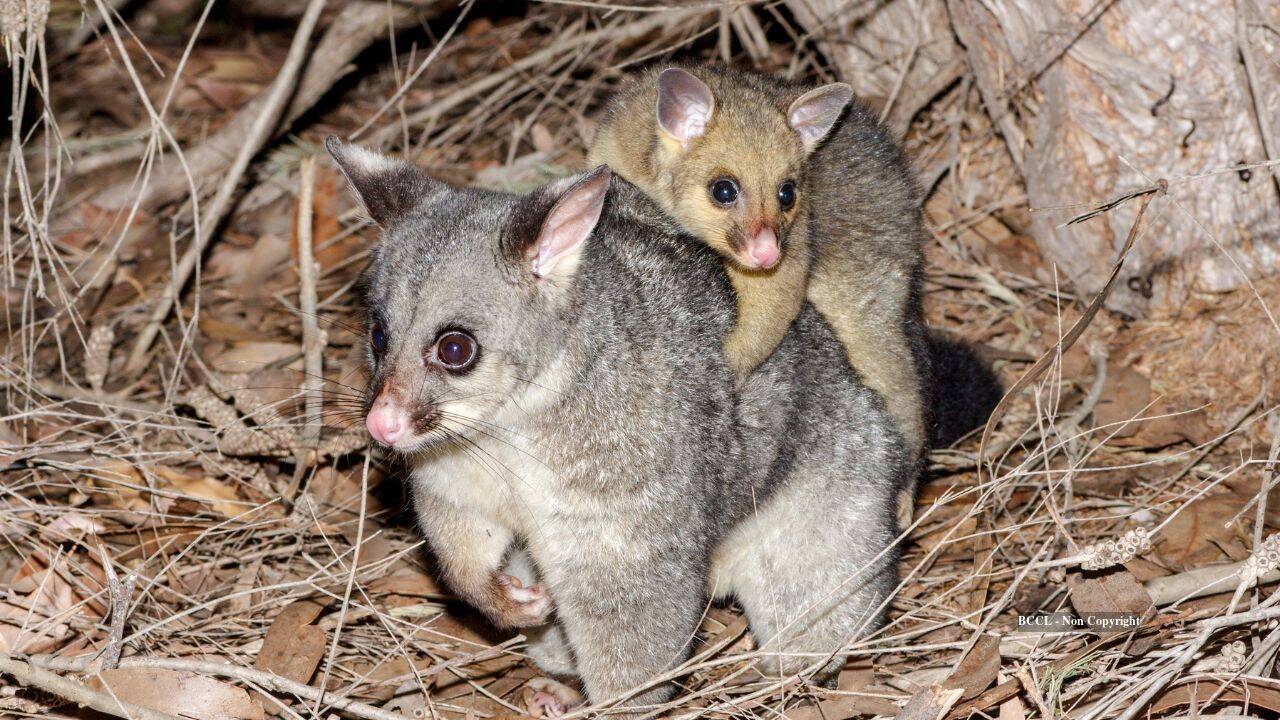
An invasive possum population has inflicted severe damage on a precious New Zealand forest, with nearly fifty percent of trees in the reserve showing signs of harm from the marsupials. The possums, originally imported to the island nation almost 189 years ago, have become one of the country's most destructive pests, feeding on native vegetation and stripping bark from trees.
The rare forest in question represents a critical habitat for numerous endemic species found nowhere else on Earth. Researchers and conservation officials have expressed alarm at the extent of the possum-related damage, which threatens the survival of vulnerable plant and animal populations that depend on the forest ecosystem.
Possums, brought to New Zealand from Australia in the 19th century, were originally intended for the fur trade. However, lacking natural predators in their adopted environment, the population exploded exponentially over the decades. Today, millions of possums roam New Zealand's forests, causing billions of dollars in agricultural and environmental damage annually.
Conservation authorities have intensified efforts to control possum numbers through various management strategies, including targeted culling programs and habitat protection measures. However, experts warn that reversing the ecological damage already caused will require sustained, long-term commitment and resources. The situation serves as a cautionary tale about the irreversible consequences of introducing non-native species into delicate ecosystems.