World · India Bureau
Invasive pythons altering Florida's Everglades ecosystem through seed dispersal
Scientists have discovered that giant Burmese pythons, an invasive species in Florida's Everglades, may be playing an unexpected role in reshaping the wetland landscape by dispersing seeds across the region. The finding suggests these non-native predators are having far broader ecological impacts than previously understood.
LSN India ·
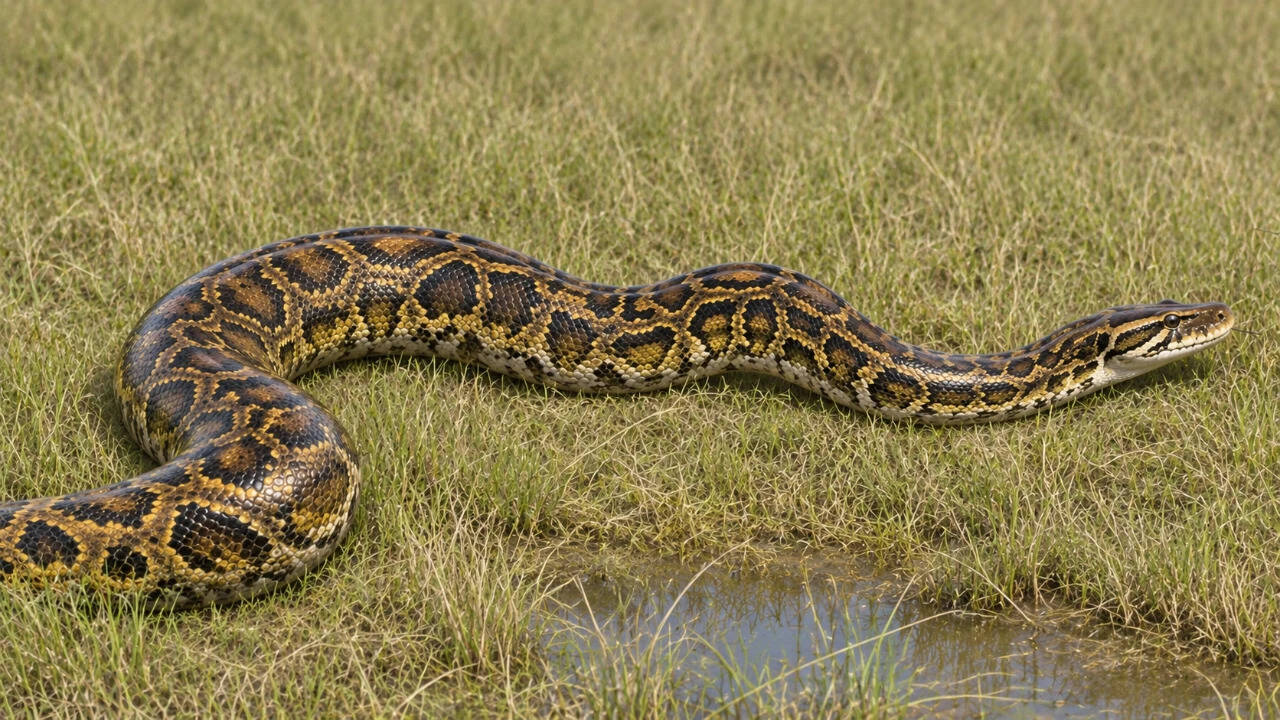
Researchers studying the ecological consequences of the Burmese python invasion in Florida's Everglades have identified a new mechanism through which these large constrictors are transforming the habitat. As the pythons consume native wildlife, they are simultaneously facilitating the spread of plant seeds, potentially accelerating changes to the wetland's vegetation patterns and overall ecosystem structure.
The pythons, which have established a significant population in the Everglades over the past two decades, were initially introduced through the exotic pet trade. Since then, they have become apex predators in the region, decimating populations of native mammals and birds. This predatory pressure has already dramatically altered food web dynamics and predator-prey relationships throughout the wetland.
The seed dispersal mechanism operates when pythons consume animals that have ingested seeds or fruits. These seeds then pass through the pythons' digestive systems and are deposited across different areas of the Everglades, potentially allowing invasive plant species to establish themselves in new locations. This process could fundamentally alter the vegetation composition that native species depend upon for survival.
Conservationists express concern that the combined effects of direct predation and indirect habitat modification through seed dispersal could accelerate the ecological transformation of the Everglades. Efforts to manage the python population remain an ongoing priority for wildlife authorities seeking to preserve the integrity of this globally significant wetland ecosystem.
The research underscores the complex and cascading effects invasive species can have on ecosystems, highlighting how non-native predators impact environments through multiple pathways beyond simple predation.