Business · India Bureau
Invasive wallabies threaten to overrun New Zealand within decades
A century-old introduction of wallabies to New Zealand has spiralled into an ecological crisis, with the animals now occupying vast tracts of the Bay of Plenty region. Without intervention, experts warn the population could expand to cover one-third of the country by 2065.
LSN India ·
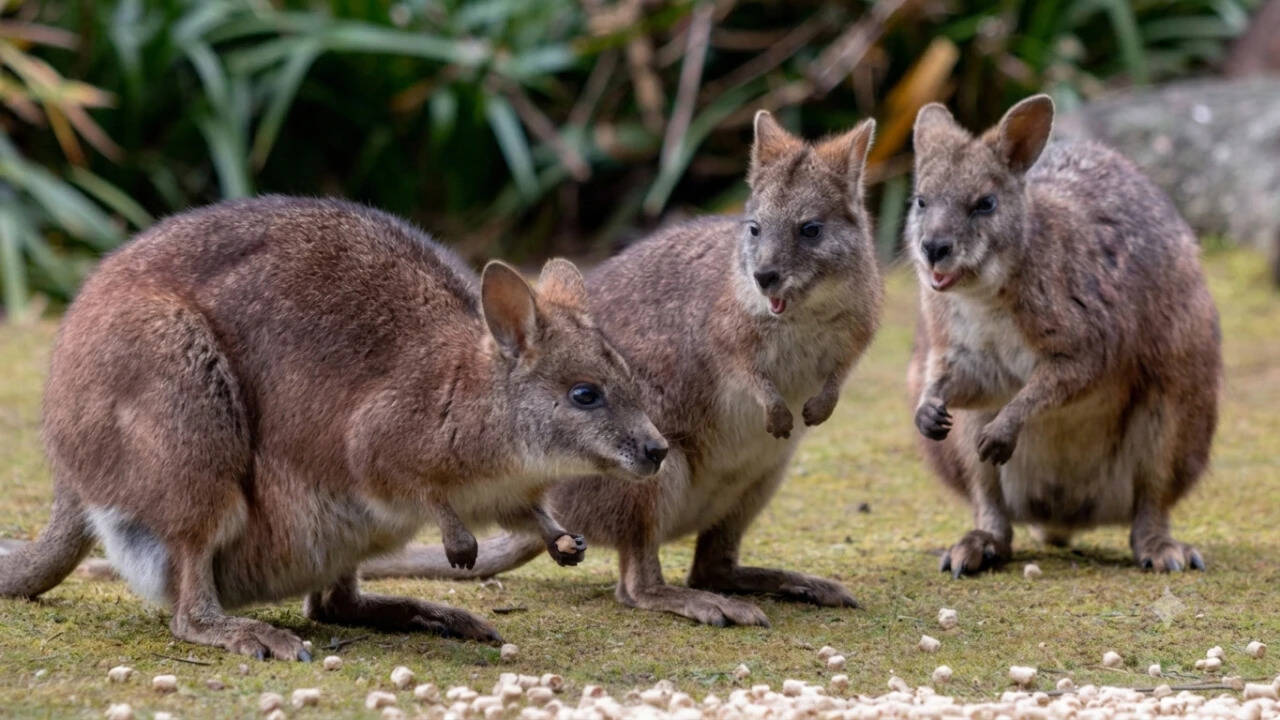
Wallabies, native to Australia, were first introduced to New Zealand in 1912 and have since established themselves as a significant environmental threat. The marsupials have now colonised more than 200,000 hectares in the Bay of Plenty region on the North Island, raising alarm among conservation authorities and agricultural interests alike.
The animals pose multiple hazards to New Zealand's ecosystem and farming sector. They feed extensively on native tree seedlings, ferns and grasses while damaging plantation trees and competing with livestock for pasture. This dual impact on both native vegetation and agricultural productivity has prompted warnings from authorities about the urgency of controlling the population.
Projections paint a concerning picture if current trends continue unchecked. Scientists estimate that wallabies could eventually occupy approximately one-third of New Zealand's landmass by 2065, with annual economic losses reaching NZD 84 million (approximately USD 50 million). Such expansion would fundamentally alter landscapes and threaten species that have evolved without pressure from large herbivorous marsupials.
The wallaby invasion represents one of New Zealand's most pressing biosecurity challenges, highlighting the long-term consequences of historical species introductions. As the animals continue spreading beyond their current stronghold, the window for effective management narrows, intensifying pressure on policymakers to implement comprehensive control strategies.