Business · India Bureau
IPL 2027 trading rules place player consent at centre of franchise moves
The Indian Premier League has structured its player trading framework to balance franchise interests with athlete autonomy, requiring medical clearances and standardised fee negotiations. The updated rules specify how transfer fees, contract revisions and fitness assessments are managed during inter-franchise player movements.
LSN India ·
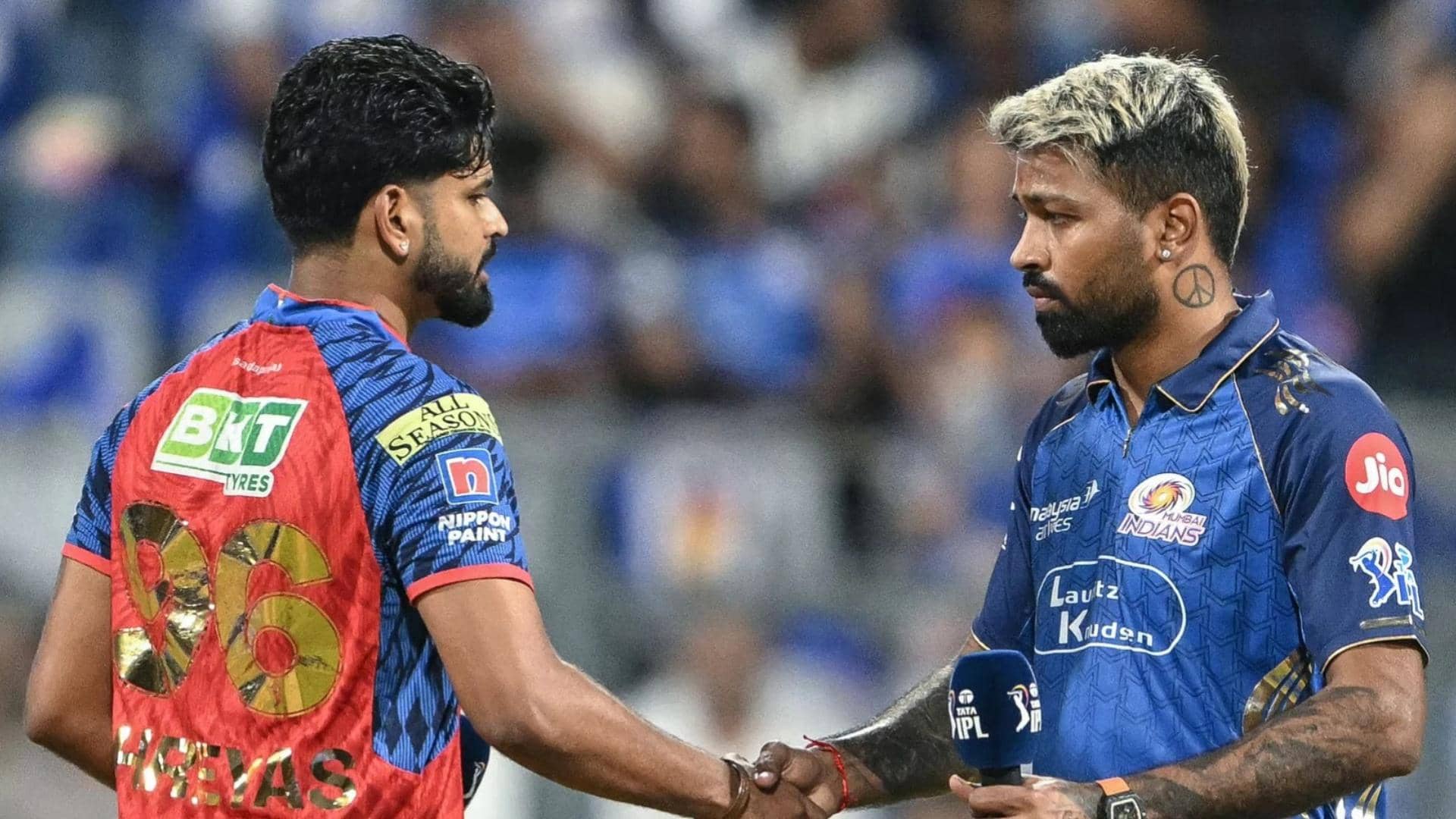
The IPL's trading regulations for the 2027 season establish a formal mechanism that grants players meaningful input on proposed transfers between franchises. Rather than treating athletes as commodities to be exchanged at management discretion, the framework ensures that players retain agency in determining their next destination, addressing longstanding concerns about athlete autonomy in franchise-based leagues.
When a transfer is negotiated between franchises, the player under consideration must provide explicit consent before any deal can be finalised. This provision prevents surprise relocations and allows athletes to consider personal, professional and logistical factors before committing to a new team. The consent mechanism operates in tandem with standardised procedures governing the financial and medical aspects of trades.
Transfer fees and revised annual contracts form the commercial core of the trading process. The regulations establish transparent protocols for calculating transfer compensation between franchises while ensuring that players' revised salary packages are formally documented and agreed upon. These fee structures prevent ad-hoc negotiations and create consistency across all inter-franchise movements.
Medical assessments constitute a mandatory component of the trading framework. All players involved in transfers must undergo comprehensive fitness tests approved by league authorities before joining their new franchises. These medical evaluations serve to verify player fitness levels, identify potential injury concerns and establish baseline health records with the receiving team, protecting both the athlete and the franchise from undisclosed medical complications.
Collectively, these provisions represent an effort to professionalise the IPL's trading environment by embedding player welfare, contractual transparency and medical oversight into the transfer process, moving beyond informal arrangements that historically characterised franchise player movements.