Politics · World News Bureau
Iran-Arab summit postponed as Hormuz security talks stall
Saudi Arabia has requested a delay to planned discussions aimed at addressing regional security concerns in the Strait of Hormuz, dimming near-term prospects for a multilateral agreement. Iran has signaled its commitment to pursuing regional backing for a security framework despite the setback.
LSN World News ·
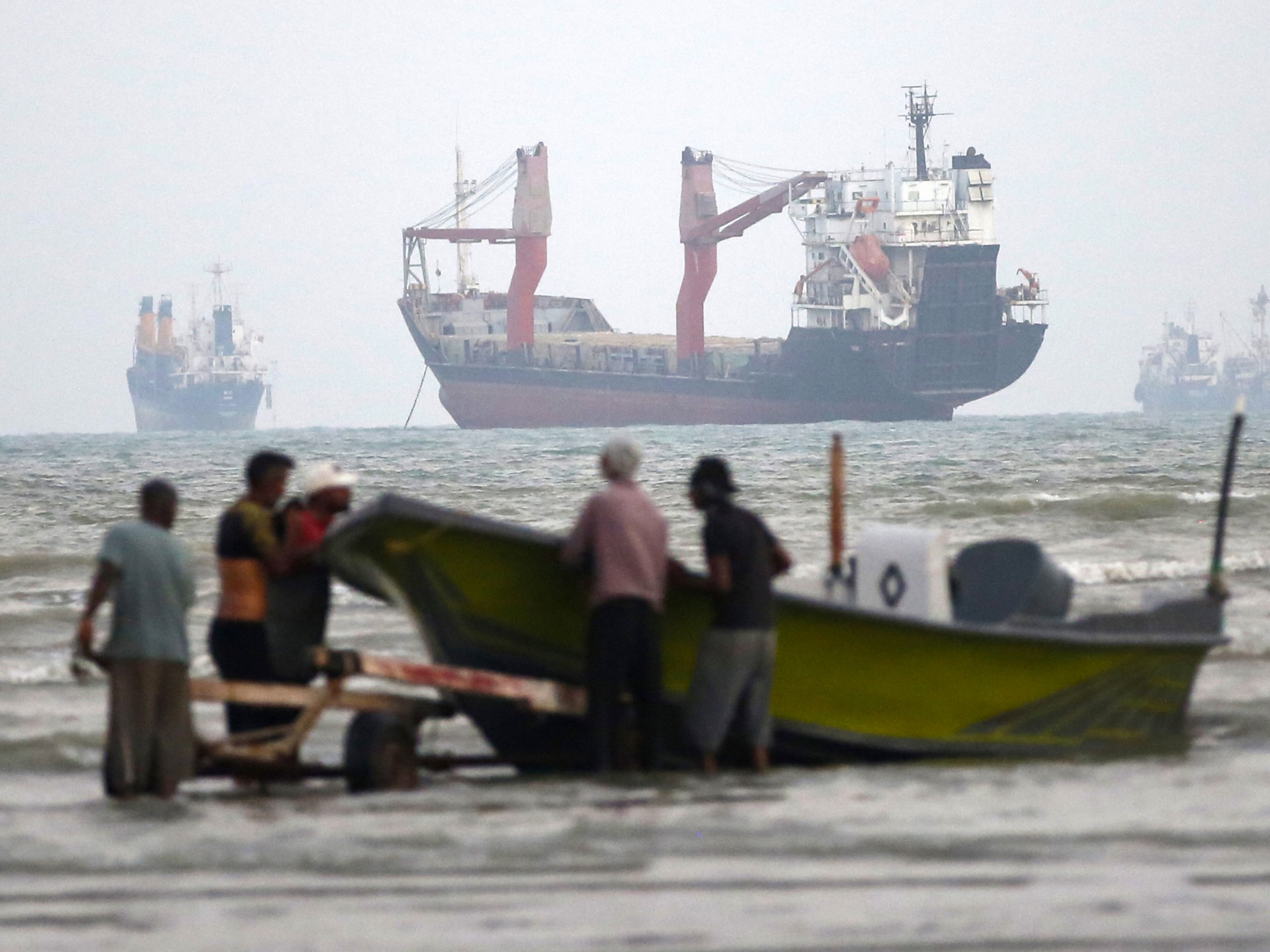
Efforts to establish a coordinated approach to maritime security in the Strait of Hormuz have hit a significant obstacle following Saudi Arabia's request to postpone a planned summit with Iranian officials and other regional stakeholders.
The postponement represents a temporary setback in diplomatic efforts to forge consensus on a regionally-led solution to tensions that have periodically disrupted one of the world's most critical shipping corridors. Saudi Arabia, a key player in Gulf security arrangements, did not publicly provide detailed reasons for the deferral, though regional analysts point to ongoing complexities in Saudi-Iranian relations and disagreements among Gulf states on the framework's specifics.
Despite the postponement, Iranian officials have indicated they remain committed to pursuing a multilateral approach to the issue. Tehran has emphasized its preference for a regionally-backed security arrangement rather than agreements involving external powers, positioning itself as advocating for Gulf autonomy in managing the waterway's safety.
The Strait of Hormuz, through which roughly one-third of global maritime petroleum trade passes, has been a persistent flashpoint for regional tensions. Previous incidents involving Iranian actions and international naval forces have heightened concerns about freedom of navigation and the potential for escalation. The proposed regional framework seeks to establish mechanisms for dialogue and coordination among littoral states to prevent future incidents.
Observers expect diplomatic channels to remain open, with rescheduled discussions potentially occurring in coming months as regional capitals reassess their positions on the security architecture.