World · World News Bureau
Iran balances military readiness with diplomatic channels as US tensions escalate
Iran faces mounting pressure from the United States while attempting to maintain dialogue, with key power centers in Tehran split over how aggressively to respond to American threats. The Islamic Republic's ultimate strategy depends on decisions made by its highest political and military leadership.
LSN World News ·
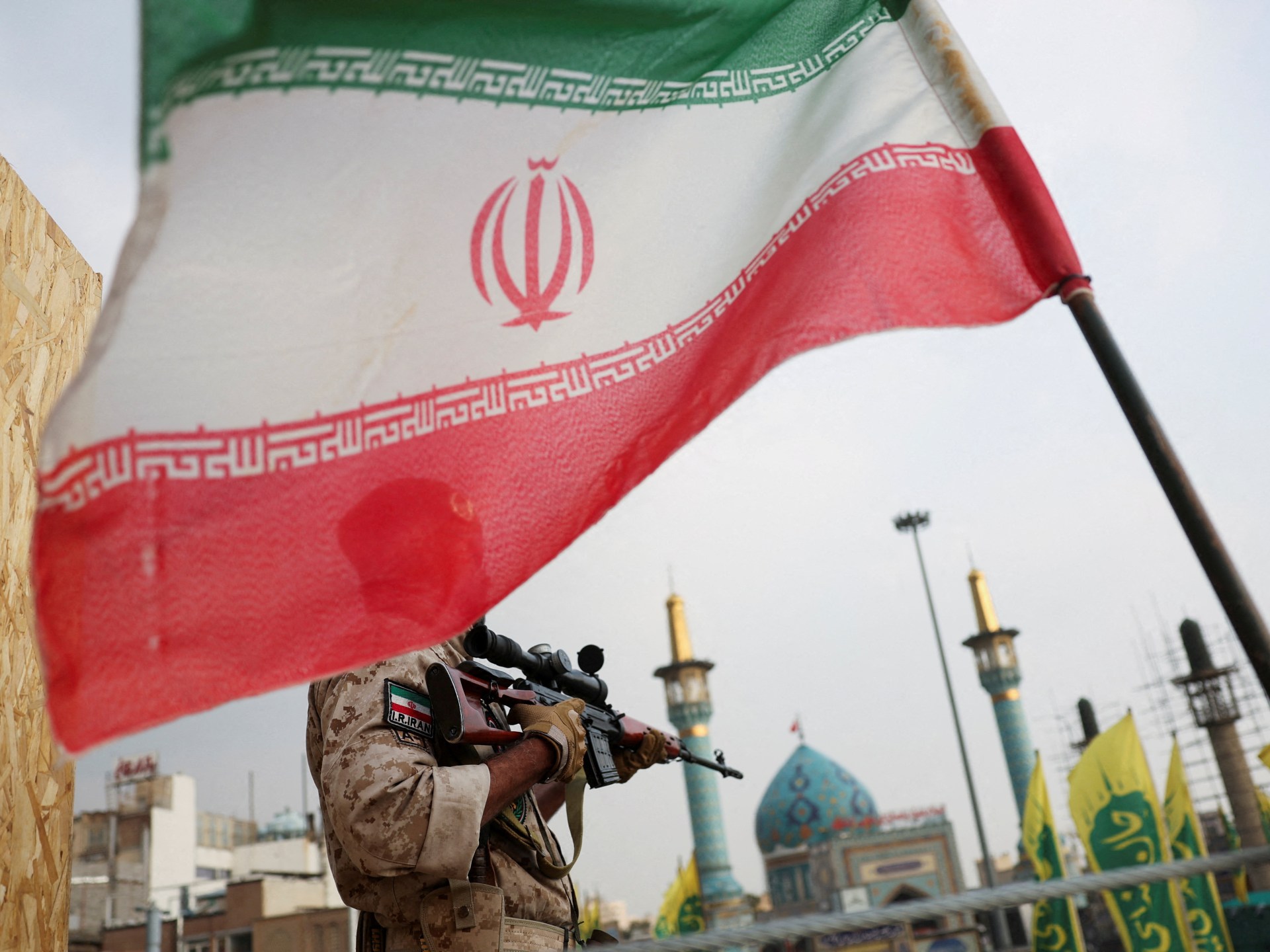
Iran stands at a critical crossroads as tensions with Washington intensify, with multiple factions within the government weighing competing approaches to the deepening crisis. While military commanders advocate for heightened defensive postures and measured retaliation capabilities, civilian negotiators continue exploring diplomatic pathways to de-escalate the standoff.
The determination of Iran's dual strategy—both military preparedness and negotiating position—rests primarily with Supreme Leader Ayatollah Ali Khamenei, who maintains ultimate authority over both the armed forces and foreign policy decisions. His guidance has historically shaped whether Iran pursues confrontational or conciliatory approaches during periods of heightened US pressure.
Behind closed doors, senior officials including the Revolutionary Guards, the Foreign Ministry, and parliament members are reportedly engaged in intense debates over resource allocation and strategic priorities. Some elements prioritize strengthening Iran's deterrent capabilities, while others emphasize the economic costs of prolonged confrontation with Washington.
Meanwhile, international mediators have continued low-level contacts with Iranian officials, suggesting that despite public rhetoric suggesting imminent conflict, both sides retain interest in negotiated outcomes. However, observers warn that miscalculation or a significant escalatory incident could rapidly overtake ongoing diplomatic efforts.