Business · World News Bureau
Iran conflict exposes BRICS' struggle to wield geopolitical influence
The five-nation bloc's inability to present a unified stance on Middle East tensions underscores the challenge of converting economic heft into diplomatic power. Yet divisions may paradoxically preserve the group's cohesion.
LSN World News ·
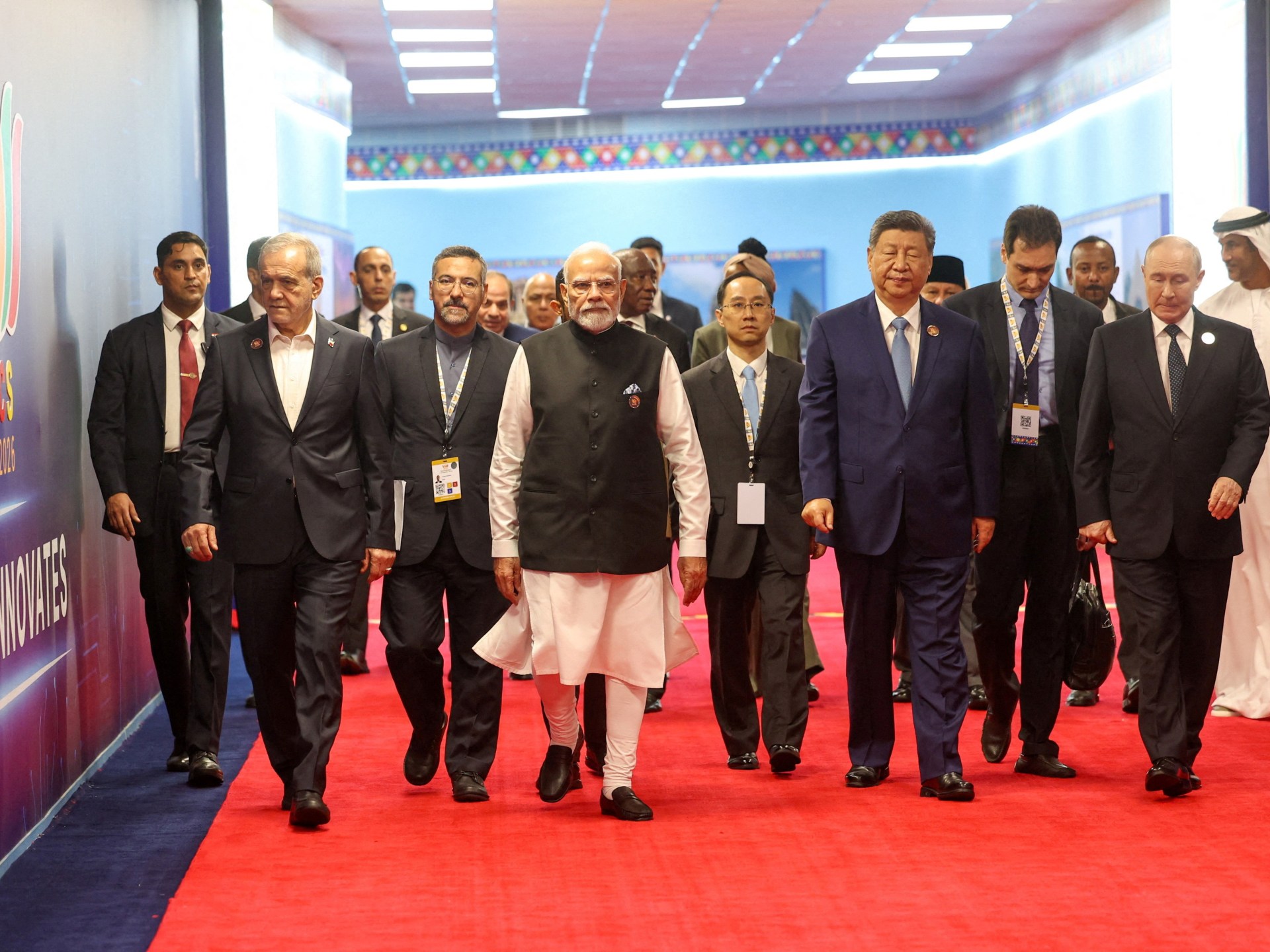
The escalating conflict between Iran and Israel has laid bare the limitations facing BRICS, the coalition of Brazil, Russia, India, China, and South Africa, in translating its combined economic weight into meaningful geopolitical leverage on the world stage. As regional tensions intensify, member states have struggled to forge a coordinated response, reflecting deeper ideological and strategic divides that constrain the bloc's ability to shape global affairs.
While BRICS collectively represents nearly a quarter of global GDP, its influence on critical international questions remains fragmented. India and South Africa have expressed caution regarding escalation in the Middle East, while Russia's entanglement with regional dynamics complicates unified messaging. This discord demonstrates that economic clout alone cannot overcome the competing national interests and foreign policy priorities that define each member's approach to international crises.
Despite these constraints, the bloc's inability to enforce consensus may ultimately serve a stabilizing function. Rather than pushing through divisive stances that alienate members, BRICS' tendency toward restraint prevents the organization from fracturing over geopolitical flashpoints. This pragmatic approach allows the coalition to maintain its primary mission of fostering economic cooperation and financial independence from Western-dominated institutions.
The Iran situation underscores an emerging reality: BRICS operates most effectively in economic and institutional domains where interests align, rather than as a geopolitical force capable of reshaping regional conflicts. For the bloc to enhance its international standing, member states may need to accept that strategic disagreements need not translate into organizational paralysis, but rather represent the natural boundaries of its collective power.