World · World News Bureau
Iran grants select nations exemptions from Hormuz Strait restrictions
Tehran has carved out special passage agreements for India, China, Qatar, and Iraq through the strategic waterway, a move analysts say reflects geopolitical calculations amid regional tensions.
LSN World News ·
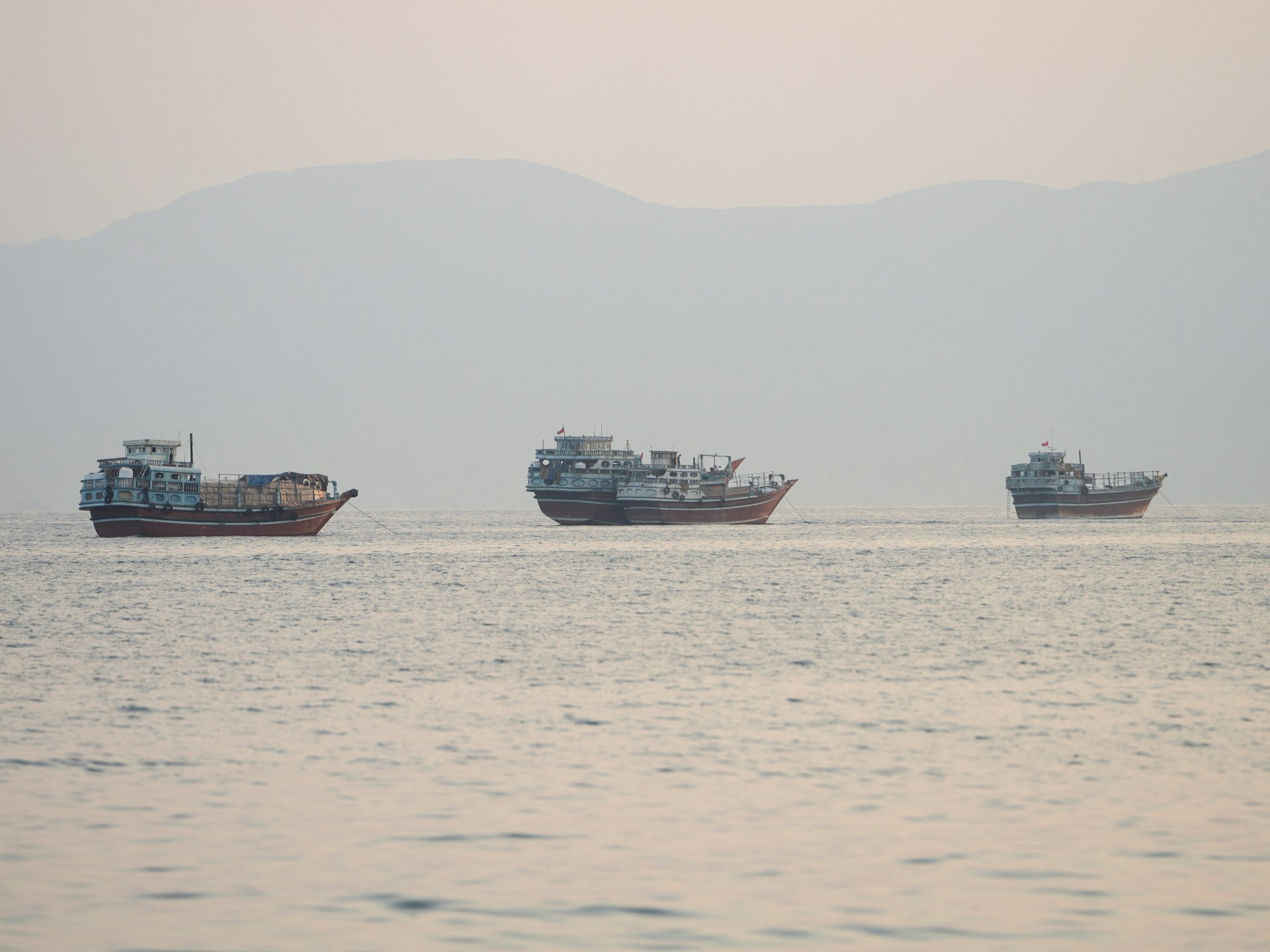
Iran has granted exemptions allowing ships from India, China, Qatar, and Iraq to transit the Strait of Hormuz without facing the restrictions Tehran has threatened to impose on international shipping. The selective approach underscores Iran's strategy of maintaining relations with key trading partners and regional allies while signaling its capacity to disrupt one of the world's most critical maritime chokepoints.
The exemptions reflect Iran's broader diplomatic positioning in the Middle East and beyond. China and India rank among Iran's largest trading partners, while Iraq maintains close ties as a neighboring state and Qatar has served as a diplomatic intermediary in regional disputes. By allowing these nations unimpeded passage, Tehran appears to be preserving economic lifelines and strategic relationships.
However, analysts caution that the tiered approach carries significant political risks. The selective nature of the exemptions may strain relations with other nations while potentially inviting international criticism of inconsistency. Western governments and regional observers have characterized Iran's threats to restrict Hormuz traffic as a destabilizing tactic, and the exemptions do little to alleviate broader concerns about maritime security in the strategically vital waterway.
The Strait of Hormuz, through which roughly one-third of globally traded oil passes annually, has become an flashpoint for tensions between Iran and Western powers. Iran's willingness to exempt specific countries suggests ongoing negotiations shape its approach to the disputed waters, though the long-term sustainability of such arrangements remains uncertain amid regional volatility.