World · India Bureau
Iran lays out seven conditions for peace as Trump signals war pause
Tehran has outlined a comprehensive list of demands for de-escalation, including an end to hostilities across all fronts and the lifting of international sanctions. The conditions emerge as the incoming U.S. administration signals a potential shift away from military confrontation.
LSN India ·
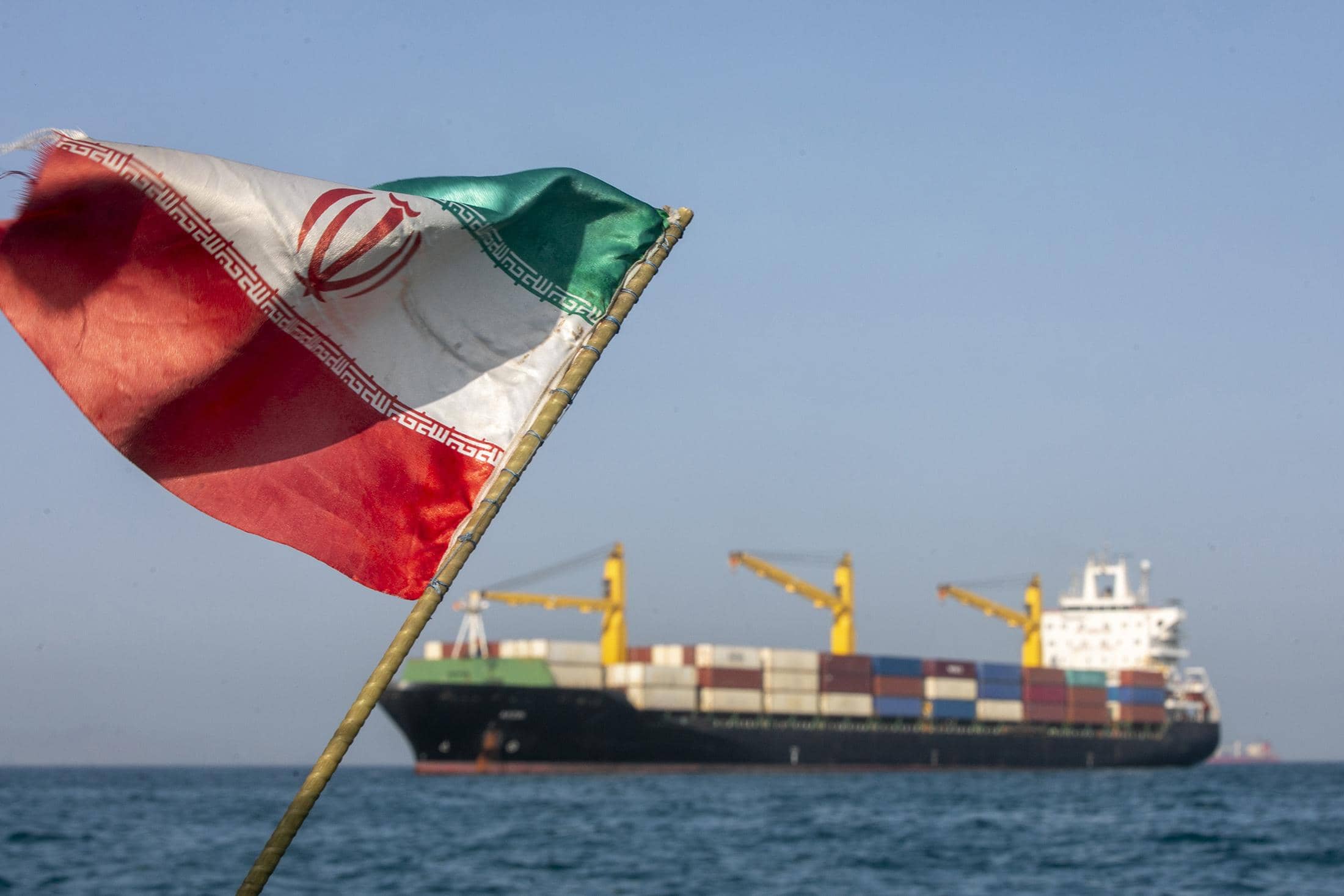
Iran has presented seven preconditions for peace negotiations, marking a significant diplomatic overture as tensions with the United States show signs of easing. The conditions include a comprehensive cessation of hostilities on all fronts, the removal of a naval blockade near the strategically vital Strait of Hormuz, and the lifting of international sanctions that have crippled Iran's economy for years.
Among the key demands are the unfreezing and return of Iranian assets held in foreign accounts, a critical issue given the substantial funds locked outside Iran due to sanctions regimes. The move represents an attempt by Tehran to establish a clear framework for negotiations, addressing both military and economic concerns that have underpinned regional tensions.
The Iranian initiative arrives as President-elect Donald Trump has indicated a willingness to reconsider military options in the region, suggesting a potential departure from policies of recent years. While Trump has not formally committed to negotiations, his public signals of openness have provided diplomatic space for Iran to articulate its negotiating position.
The Strait of Hormuz, through which approximately one-fifth of global oil supplies pass, has been a flashpoint in U.S.-Iran relations, with both nations deploying significant naval assets in the waterway. The blockade issue carries substantial implications for global energy markets and regional stability, making it a non-negotiable element of Iran's peace framework.
Observers note that the clarity of Iran's conditions could facilitate structured dialogue, though significant gaps remain between Tehran's demands and positions held by Washington and its regional allies. The coming weeks will test whether the current diplomatic opening can translate into meaningful negotiations.