World · World News Bureau
Iran leverages Gulf tensions to extract geopolitical concessions
Tehran is instrumentalizing shipping disruptions in the Strait of Hormuz to pressure the United States while seeking sanctions relief and expanded influence over regional maritime commerce, analysts say.
LSN World News ·
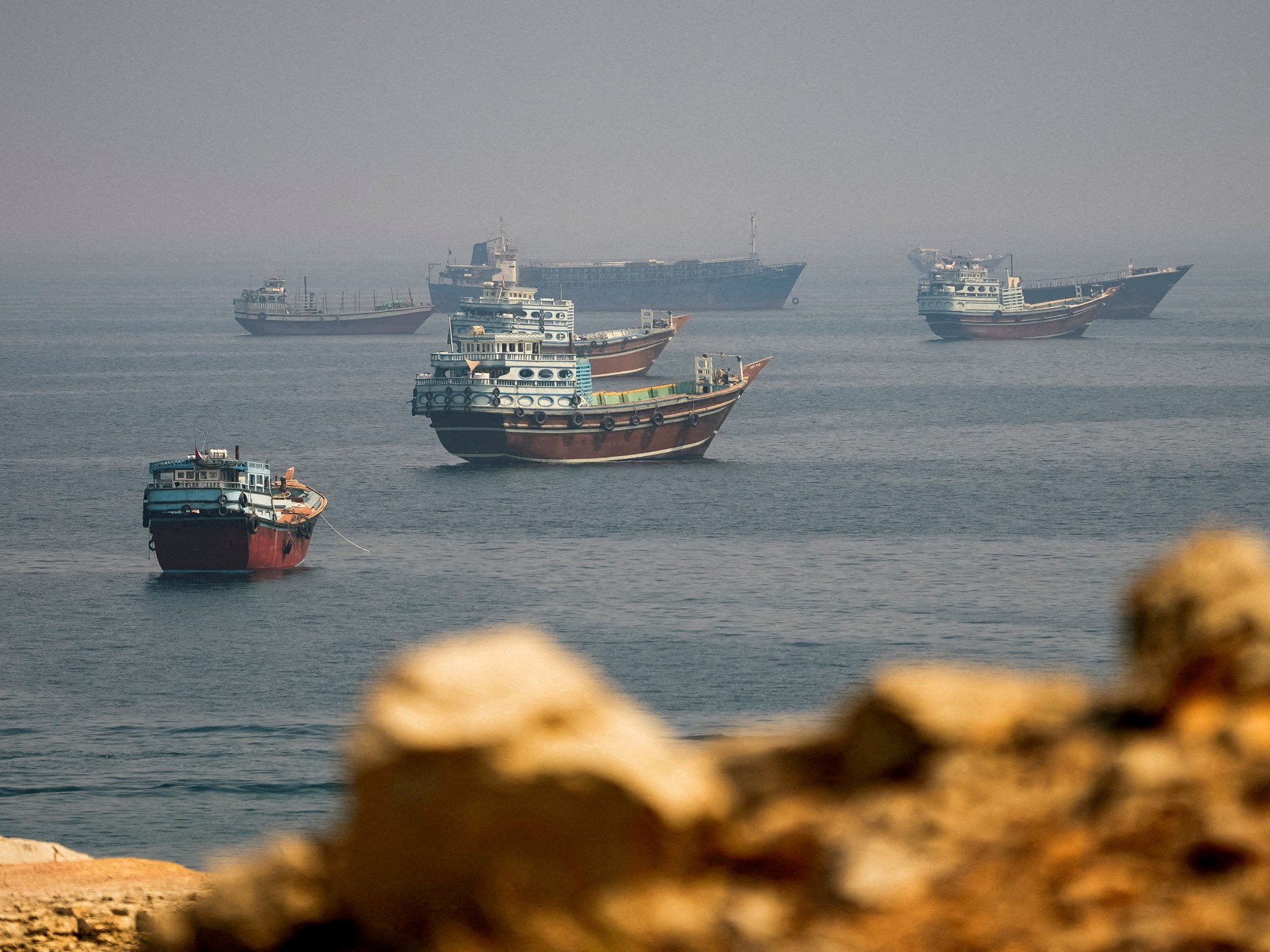
Iran has positioned itself as a pivotal actor in ongoing tensions affecting one of the world's most critical shipping corridors, using its strategic location and military capabilities to advance multiple foreign policy objectives simultaneously.
The strategy centers on leveraging security threats in the Strait of Hormuz—through which roughly one-third of global seaborne oil passes—to create leverage over Washington while simultaneously supporting Houthi militants in Yemen. By maintaining a state of escalating tensions, Iranian officials are signaling their capacity to disrupt international commerce and extract concessions they might not otherwise obtain through conventional diplomatic channels.
Experts view the approach as a calculated attempt to secure sanctions relief, strengthen the position of Iranian-aligned forces in Yemen, and establish Tehran as an indispensable player in Gulf affairs that cannot be sidelined in regional security arrangements. The tactic places other regional actors and Western powers in a difficult position: engaging with Iranian demands risks rewarding coercive behavior, while ignoring them could invite further destabilization of critical maritime routes.
The convergence of these pressures underscores the interconnected nature of Middle Eastern conflicts, where developments in Yemen's civil war directly influence shipping security in the Persian Gulf and broader negotiations over Iran's regional role.