World · Malaysia Bureau
Iran must weigh short-term gains against long-term strategic costs
As Iran navigates a period of regional opportunity, analysts warn that aggressive maximalist approaches risk undermining sustainable strategic objectives. Tehran's leadership faces pressure to balance immediate advantages with enduring geopolitical interests.
LSN Malaysia ·
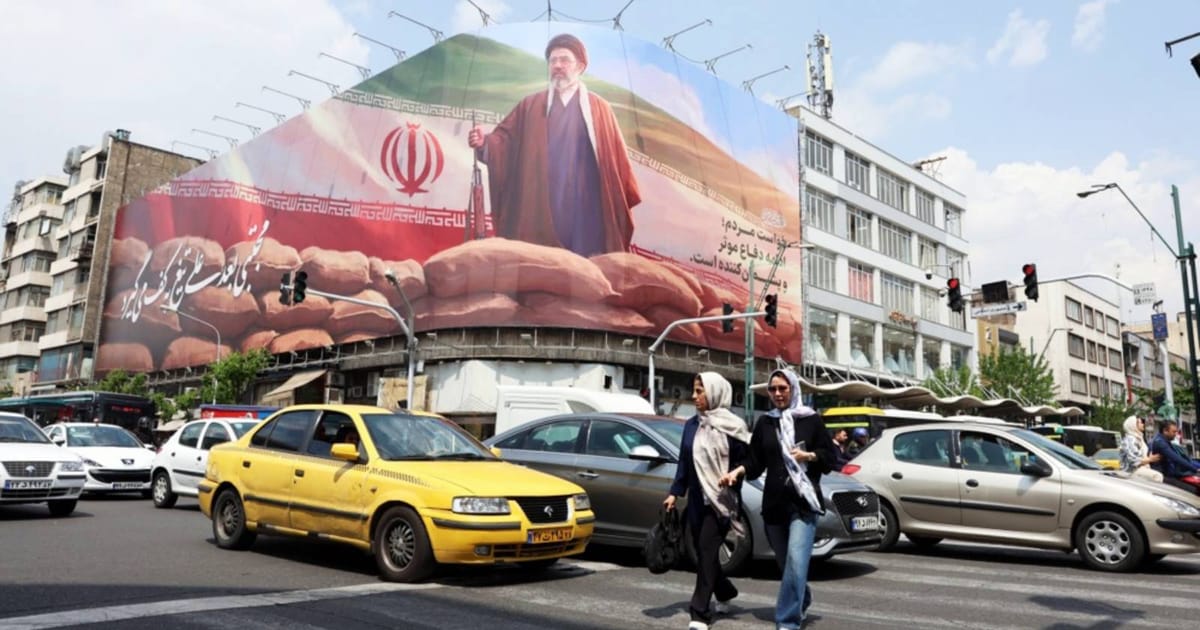
Iran's current regional position presents significant diplomatic and strategic opportunities, yet experts caution that the country's decision-makers should carefully evaluate the sustainability of aggressive policy approaches. The Iranian government's temptation to pursue maximalist strategies—leveraging temporary advantages to the fullest extent—carries inherent risks that could prove counterproductive over time.
While short-term tactical wins may appear attractive, they often come at the expense of broader strategic objectives that require patient cultivation and regional stability. Iran's leadership must recognise the distinction between consolidating gains that strengthen long-term positioning and pursuing policies that generate short-term leverage but invite international backlash or regional escalation.
The challenge for Tehran involves threading a careful diplomatic needle: securing immediate interests without triggering responses that could isolate the nation or invite costly multilateral pressure. Analysts suggest that sustainable regional influence depends on building credible relationships and demonstrating predictable, rational decision-making rather than maximising every tactical advantage.
For Malaysia and other regional players, Iran's strategic choices carry implications for broader regional stability and economic relationships. How Tehran calibrates its approach will influence the trajectory of Middle Eastern affairs and potentially affect Southeast Asian interests in regional security and trade dynamics.