World · World News Bureau
Iran-Pakistan security pact tested by LNG tanker strike in Gulf
A recent attack on a liquefied natural gas tanker has raised questions about the effectiveness of a bilateral agreement between Iran and Pakistan aimed at securing maritime trade routes in the strategically vital Hormuz region.
LSN World News ·
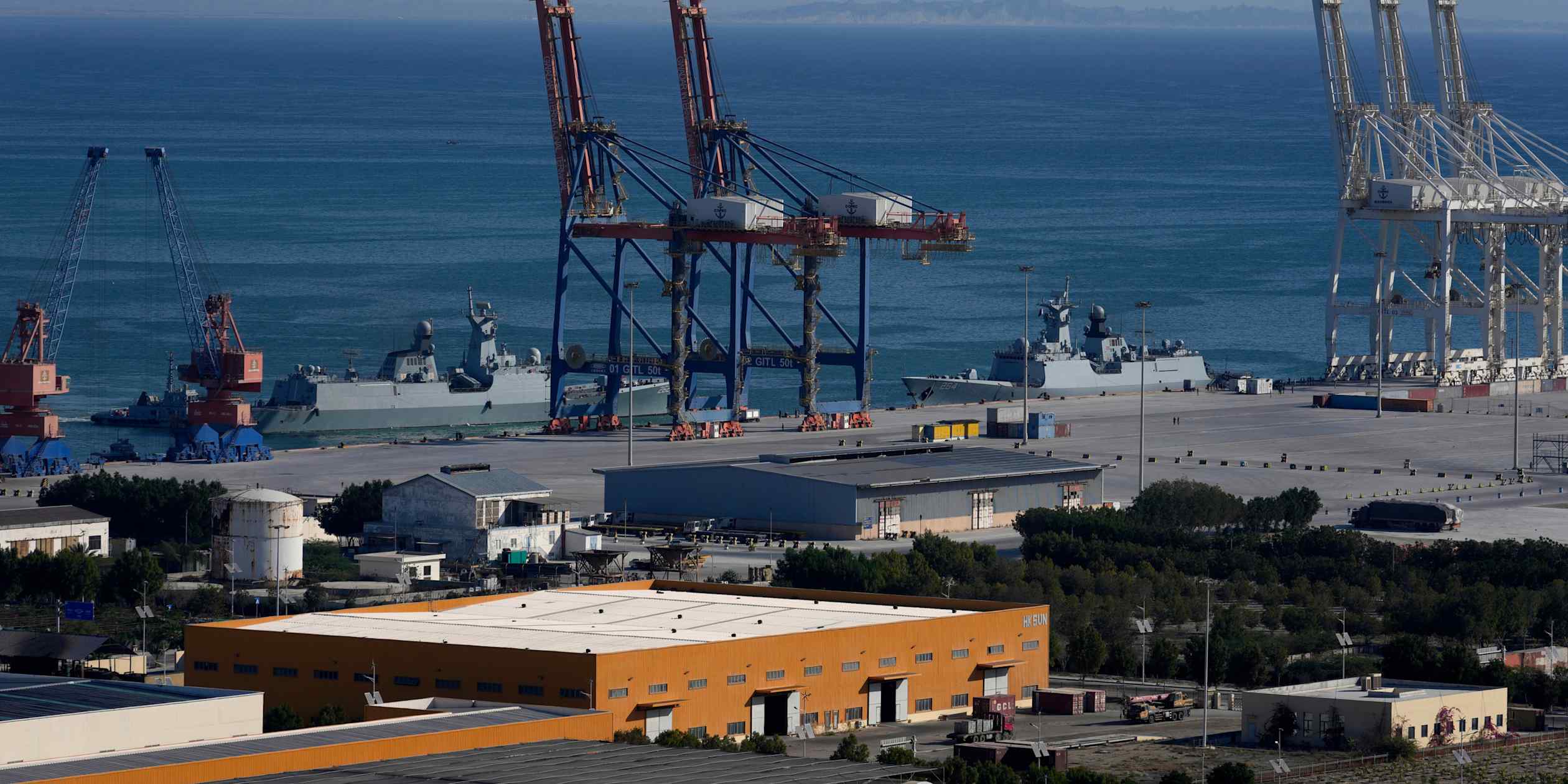
The incident involving the LNG vessel has prompted scrutiny of the Hormuz security arrangement between Tehran and Islamabad, which was established to protect commercial shipping in one of the world's most contested waterways. The pact, designed to coordinate maritime surveillance and response efforts, faces its credibility challenged following the attack on the tanker.
The Strait of Hormuz remains a critical chokepoint for global energy supplies, with significant volumes of oil and liquefied natural gas passing through daily. The waterway has witnessed increasing security concerns in recent years, driven by geopolitical tensions and occasional incidents involving commercial vessels.
Pakistan and Iran formalized their maritime cooperation framework to address these vulnerabilities and ensure safe passage for regional and international shipping. However, the successful targeting of the LNG carrier suggests potential gaps in the surveillance and protective capabilities outlined under the agreement.
Both nations are expected to review the incident and assess whether additional measures or enhanced coordination mechanisms are required. The test case underscores the ongoing challenges faced by regional powers attempting to stabilize one of the world's most economically important maritime passages amid broader geopolitical complexities.