World · India Bureau
Iran releases nuclear survival guide as US tensions escalate
Tehran has distributed a detailed video guide on surviving nuclear attacks, underscoring mounting tensions with the United States. The release comes amid heightened regional security concerns and diplomatic standoffs.
LSN India ·
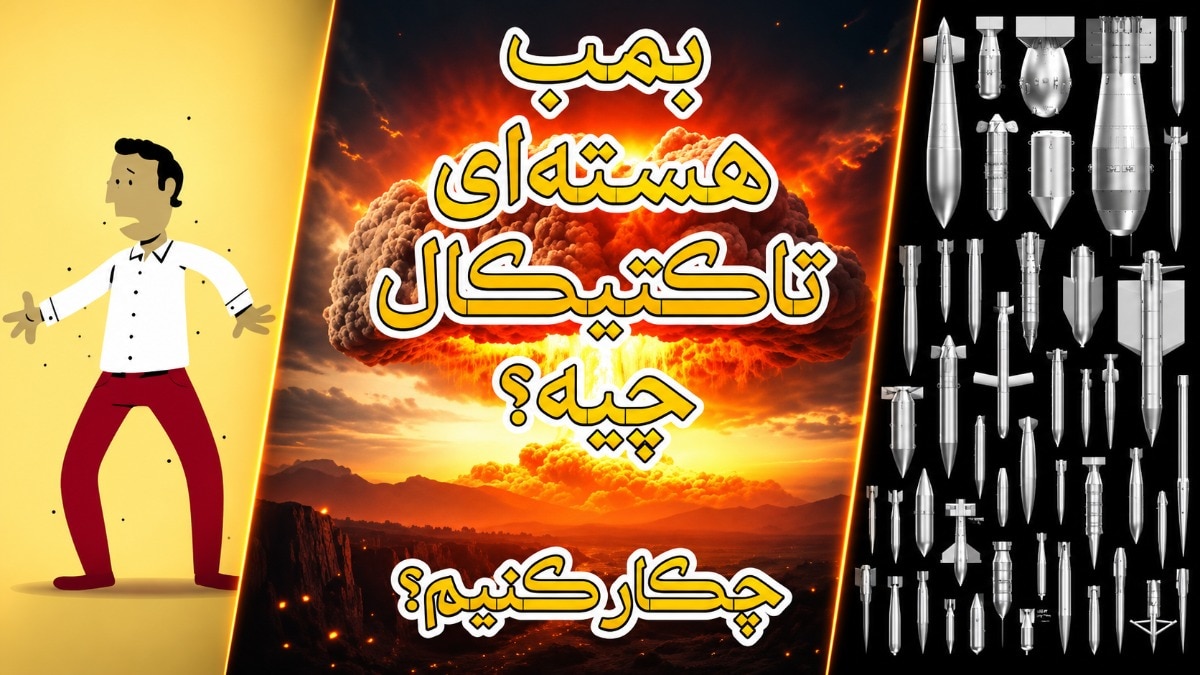
Iran has circulated instructional video content outlining survival measures in the event of a nuclear attack, marking an escalation in public messaging as geopolitical tensions with the United States intensify. The guidance reflects Tehran's effort to prepare its civilian population for potential nuclear contingencies during a period of elevated diplomatic friction.
The video guide provides detailed instructions on protective measures, shelter protocols, and post-attack procedures for civilians. Such public health preparedness campaigns are typically deployed by governments seeking to demonstrate crisis readiness while simultaneously signalling resolve during international disputes.
The move coincides with broader US-Iran tensions, including disputes over nuclear negotiations, regional military activities, and sanctions regimes. Tehran has previously released similar civil defence materials during periods of heightened confrontation, balancing strategic messaging with legitimate civilian protection objectives.
Iran's civil defence authorities have framed the initiative as part of routine emergency preparedness infrastructure rather than an immediate response to specific threats. Regional analysts note that such campaigns often serve dual purposes: informing public safety while underscoring national security concerns to domestic and international audiences.
The release underscores the precarious security environment in the Persian Gulf region, where US military presence and Iranian capabilities remain flashpoints for international concern. India and other regional observers continue monitoring developments amid broader implications for maritime security and energy markets across South and Southeast Asia.