Politics · India Bureau
Iran's chief negotiator signals permanent shift in Hormuz governance
Iran's Parliamentary Speaker has indicated that future arrangements governing the strategic Strait of Hormuz will fundamentally differ from pre-war frameworks. The statement suggests Tehran's intent to reshape governance of one of the world's most critical shipping passages.
LSN India ·
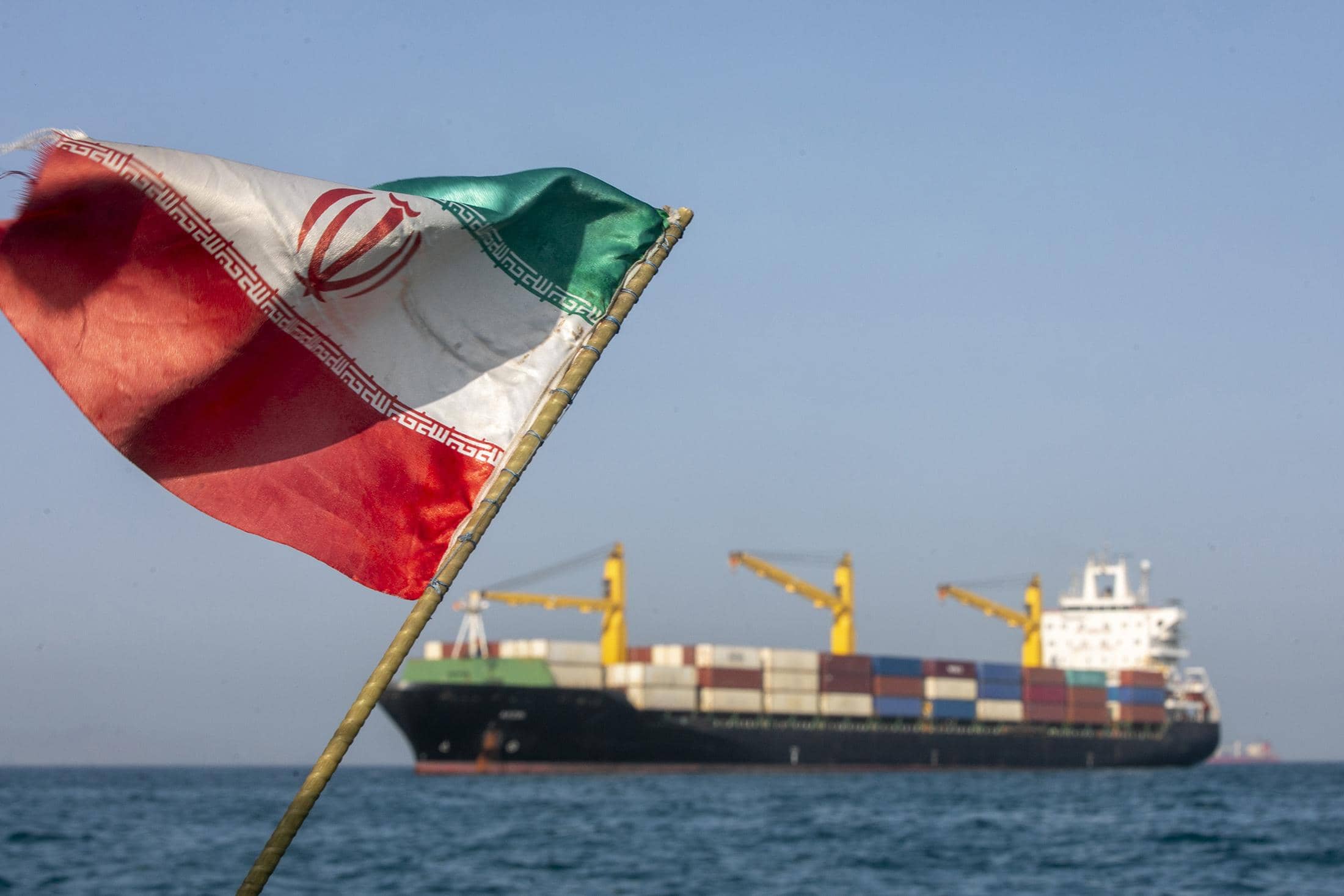
Iran's chief negotiator has declared that the Strait of Hormuz will not revert to its previous operational status, signalling a significant shift in how the waterway may be governed in the post-conflict period. The assertion underscores Iran's position that any future arrangements must differ substantially from those that existed before the outbreak of hostilities.
The Parliamentary Speaker's remarks reflect Tehran's determination to secure altered terms governing transit through the strategic chokepoint, through which approximately one-third of global seaborne petroleum passes daily. The statement indicates Iran views the current geopolitical situation as an opportunity to reshape the institutional framework overseeing the waterway.
The Strait of Hormuz remains one of the world's most economically significant maritime passages, and its governance structure has long been a point of contention among regional and international stakeholders. Iran's assertion that pre-war conditions will not be restored suggests the country intends to leverage its negotiating position to establish new protocols and arrangements.
The timing of these comments comes amid broader regional tensions and ongoing discussions about maritime security and freedom of navigation through contested waters. Iran's position may significantly influence future negotiations regarding stability and commerce in one of Asia's most critical shipping lanes, with implications for global energy markets and international trade routes.