Politics · World News Bureau
Iran's diaspora grapples with conflicting opposition to war and government
Iranians abroad face a complex political predicament as they navigate simultaneous opposition to both Tehran's military actions and its authoritarian governance. The internal contradiction reflects broader tensions within opposition movements.
LSN World News ·
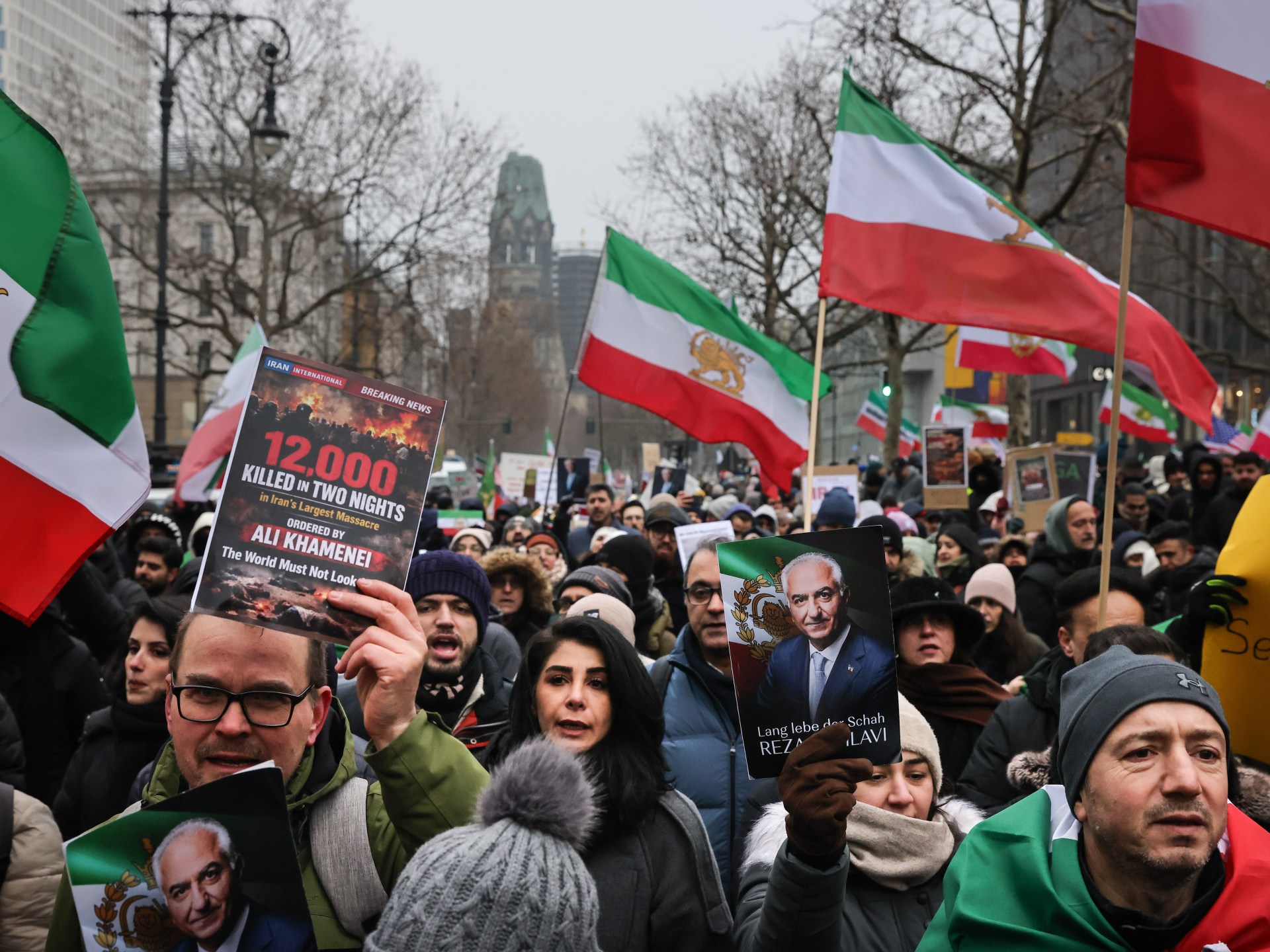
Iranian expatriates scattered across the globe find themselves navigating a difficult ideological terrain, simultaneously opposing military conflicts while maintaining criticism of the Iranian government's domestic policies. This dual opposition has created a paradox for diaspora communities seeking to effect change from abroad while grappling with their complicated relationship to their homeland.
The tension underscores a longstanding challenge for exile communities: determining whether to prioritize national interest or oppose government actions they view as detrimental. Many diaspora Iranians have vocally condemned military operations while also calling for political reform and an end to authoritarian rule, creating a delicate balancing act between patriotism and principled dissent.
This internal division has complicated diaspora organizing efforts, as various Iranian communities abroad hold differing views on how best to advance their political objectives. Some prioritize opposition to specific government policies, while others advocate for broader systemic change. The multiplicity of perspectives has occasionally fragmented what might otherwise constitute a unified voice of external pressure on Tehran.
The diaspora's predicament reflects the broader complexity of Iranian politics, where critics of government actions must simultaneously wrestle with questions of national sovereignty and international relations. As tensions persist, expatriate communities continue searching for a coherent political stance that acknowledges both their concerns about military actions and their desire for fundamental governance reform.