Politics · India Bureau
Iran's Four-Decade War Preparations Enable Resilience Against US-Israel Strikes
A retired Indian military strategist has highlighted how Iran's long-term contingency planning, including preparations for leadership losses, has allowed it to sustain extended conflict with the United States and Israel. The assessment underscores the importance of strategic foresight in modern warfare.
LSN India ·
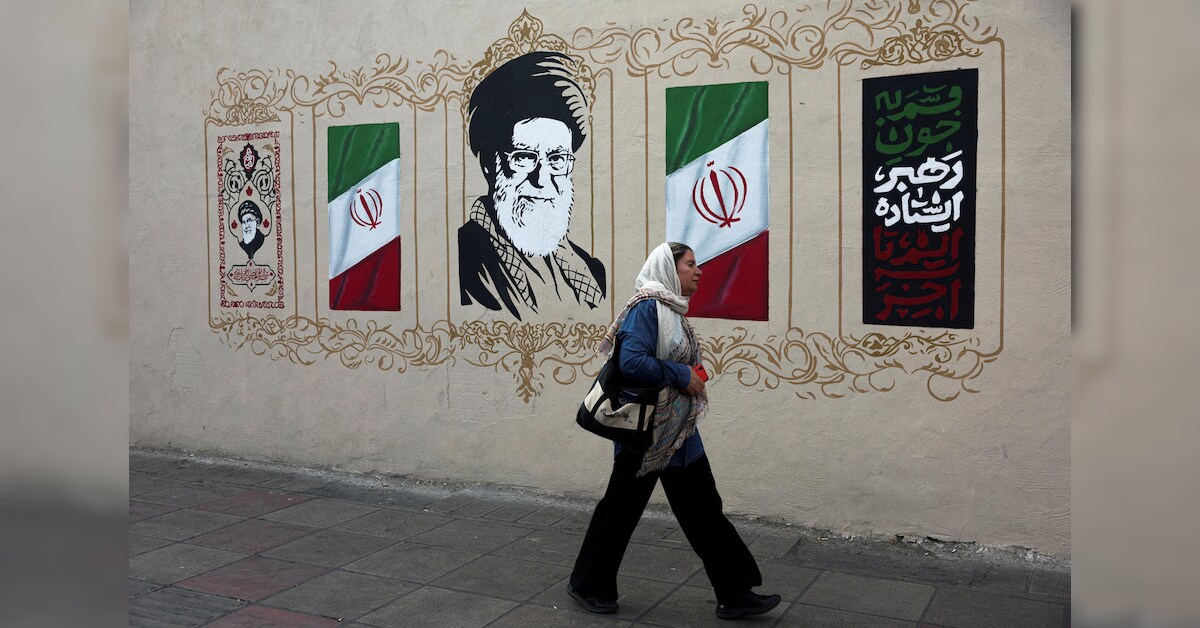
Iran's capacity to endure sustained military pressure from the United States and Israel stems largely from four decades of comprehensive war preparation and strategic planning, according to Lt General KJS Dhillon, a retired Indian Army officer and former head of India's defence intelligence agency.
Speaking at an interactive session organised by the Observer Research Foundation (ORF) America in Washington, Dhillon noted that Iran has maintained significant capability for protracted attrition despite incurring substantial losses in its conflict with the two nations. The country's extensive preparations have reportedly included contingency measures to ensure continuity even in scenarios involving the loss of top leadership.
"Before initiating warfare, certain foundational elements are non-negotiable," Dhillon said, emphasising the critical role of strategic clarity. He stressed that nations must establish transparent national objectives understood across military, civilian, and governmental structures before entering conflict.
Dhillon identified a clearly defined end-state as another essential component of war planning. "There should be clarity on the victory conditions and the stage at which one can declare success," he noted, highlighting the importance of exit strategies that allow nations to transition from conflict to post-war objectives.
The assessment reflects broader lessons applicable to contemporary geopolitical tensions in South and Southeast Asia, where regional powers increasingly face the prospect of protracted standoffs requiring sustained strategic planning and institutional coordination.