World · World News Bureau
Iran's Hormuz Restricted Zone Plan Faces Enforcement Questions
Tehran has announced plans to establish a restricted maritime zone in the strategically vital Strait of Hormuz, but analysts question whether Iran possesses the naval capacity to enforce such measures amid heightened tensions with the United States.
LSN World News ·
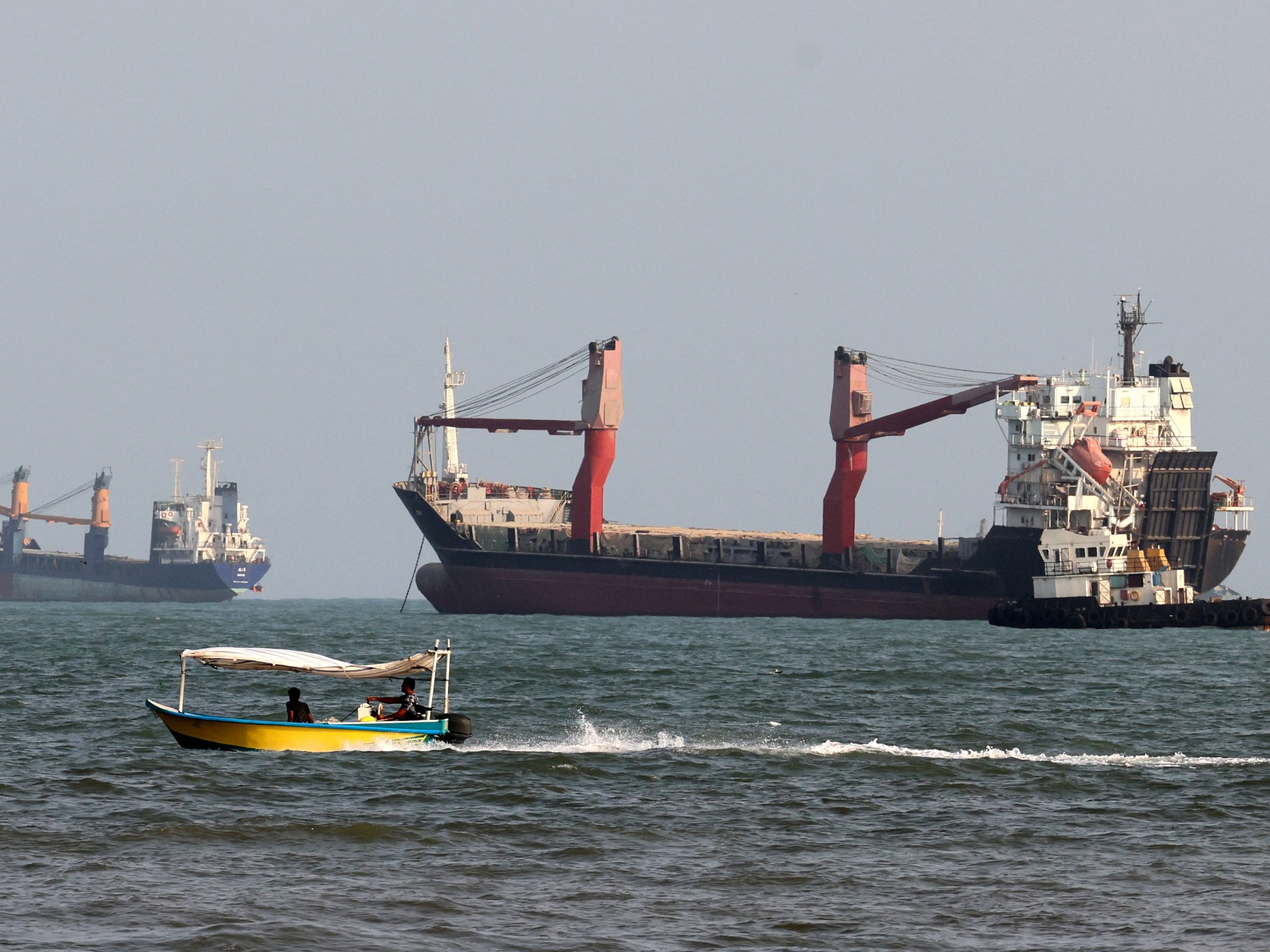
Iran's announcement of a proposed restricted zone in the Strait of Hormuz represents an escalation in regional maritime tensions, though questions persist about the Islamic Republic's ability to implement and maintain such a policy. The move comes as Washington and Tehran remain locked in a cycle of military posturing and economic sanctions, with the Persian Gulf serving as a potential flashpoint for direct confrontation.
The Strait of Hormuz remains one of the world's most critical chokepoints for global energy supplies, with roughly one-fifth of international oil shipments transiting through its narrow passages. Iran's assertion of control over portions of this waterway carries significant geopolitical implications, particularly given the presence of U.S. naval forces in the region and the transit interests of multiple nations dependent on free passage.
Military analysts have expressed skepticism regarding Iran's capacity to effectively police a restricted zone. While Tehran possesses naval vessels, including fast-attack boats and submarines, the logistics of monitoring and intercepting international shipping in one of the world's busiest maritime corridors present substantial operational challenges. The Iranian Navy would face considerable difficulties in enforcing such restrictions against well-armed international vessels and advanced military hardware deployed by the United States Fifth Fleet.
The announcement underscores the deteriorating security environment in the Gulf region and risks further destabilizing an area already strained by economic pressures, regional proxy conflicts, and direct diplomatic confrontation between major powers. Whether Iran can translate its stated intentions into enforceable policy remains contingent upon its military capabilities and the international community's willingness to challenge such unilateral declarations.