World · World News Bureau
Iran's Kheibar Shekan missile emerges as key weapon in regional tensions
The Kheibar Shekan, a medium-range ballistic missile, has become central to escalating military confrontations between Iran and U.S.-allied forces in the Middle East. The weapon system represents a significant capability in Tehran's arsenal amid deepening regional instability.
LSN World News ·
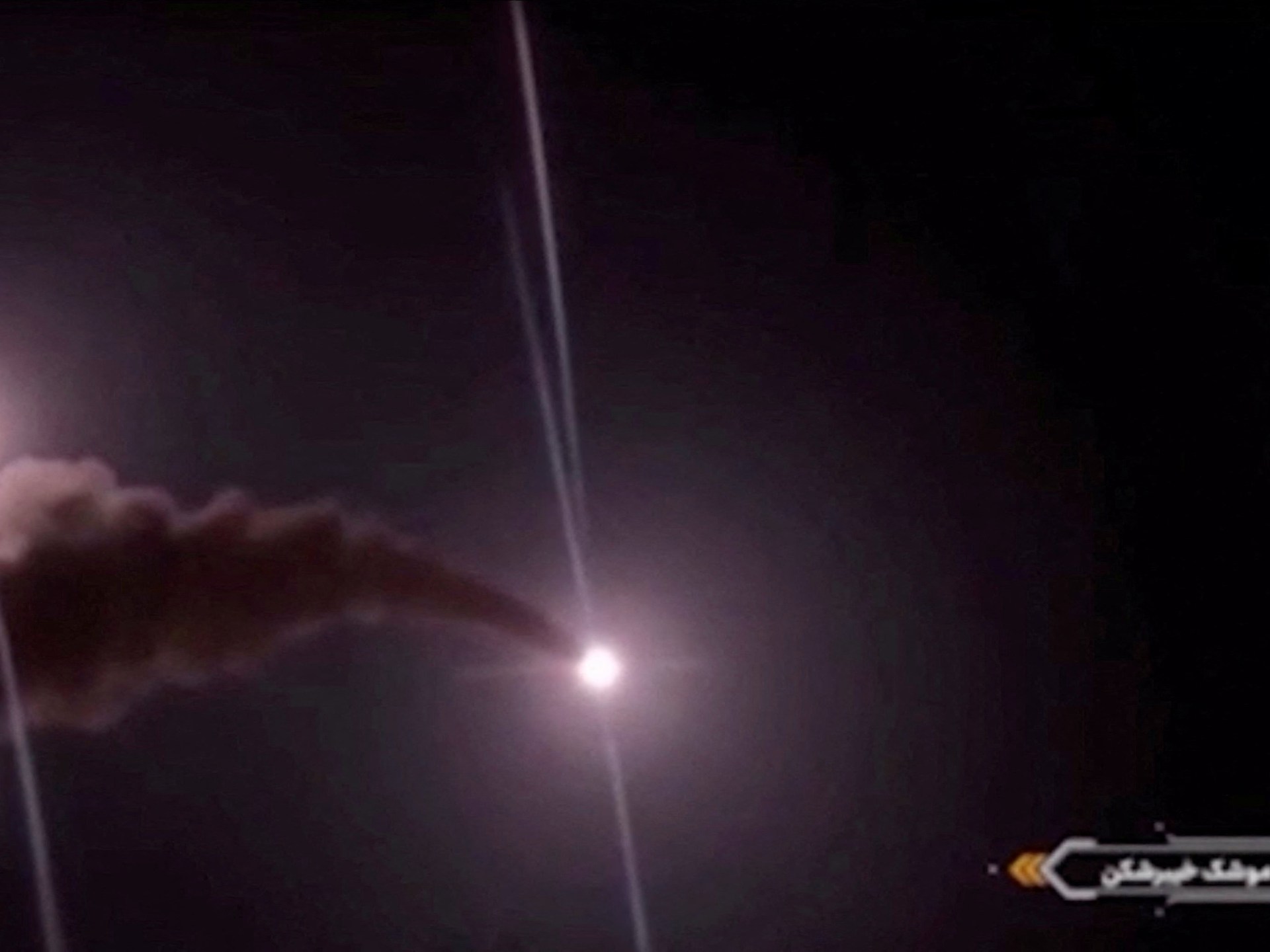
Iran's Kheibar Shekan missile, known in Persian as the "Castle Breaker," has emerged as a pivotal component in the country's military strategy as tensions continue to mount between Tehran and the United States alongside its regional allies. The medium-range ballistic missile system represents a substantial advancement in Iran's indigenous weapons development capabilities.
The Kheibar Shekan is designed to penetrate advanced air defense systems, featuring improved accuracy and range compared to earlier Iranian missile platforms. Military analysts suggest the weapon is capable of striking targets at considerable distances, making it a significant factor in regional military calculations.
Iran has demonstrated the missile system publicly on multiple occasions, underlining its role within the nation's deterrence strategy. The weapon's deployment reflects Tehran's investment in ballistic missile technology despite international sanctions and restrictions on conventional arms transfers.
The emergence of the Kheibar Shekan as a focal point in military assessments underscores the escalating sophistication of Iran's defense capabilities. Regional observers have noted the missile's significance in the broader context of U.S.-Iran military posturing and the complex security environment affecting the Middle East, where multiple state and non-state actors compete for influence and strategic advantage.
International military experts continue to assess the technical specifications and operational implications of the system as regional security concerns persist.