Politics · World News Bureau
Iran's leadership acknowledges war's economic damage, seeks diplomatic path
Iranian officials have publicly recognized the severe economic impact of international sanctions and naval restrictions, with trade volumes declining sharply. The acknowledgment comes as Tehran signals a willingness to pursue diplomatic solutions alongside military preparedness.
LSN World News ·
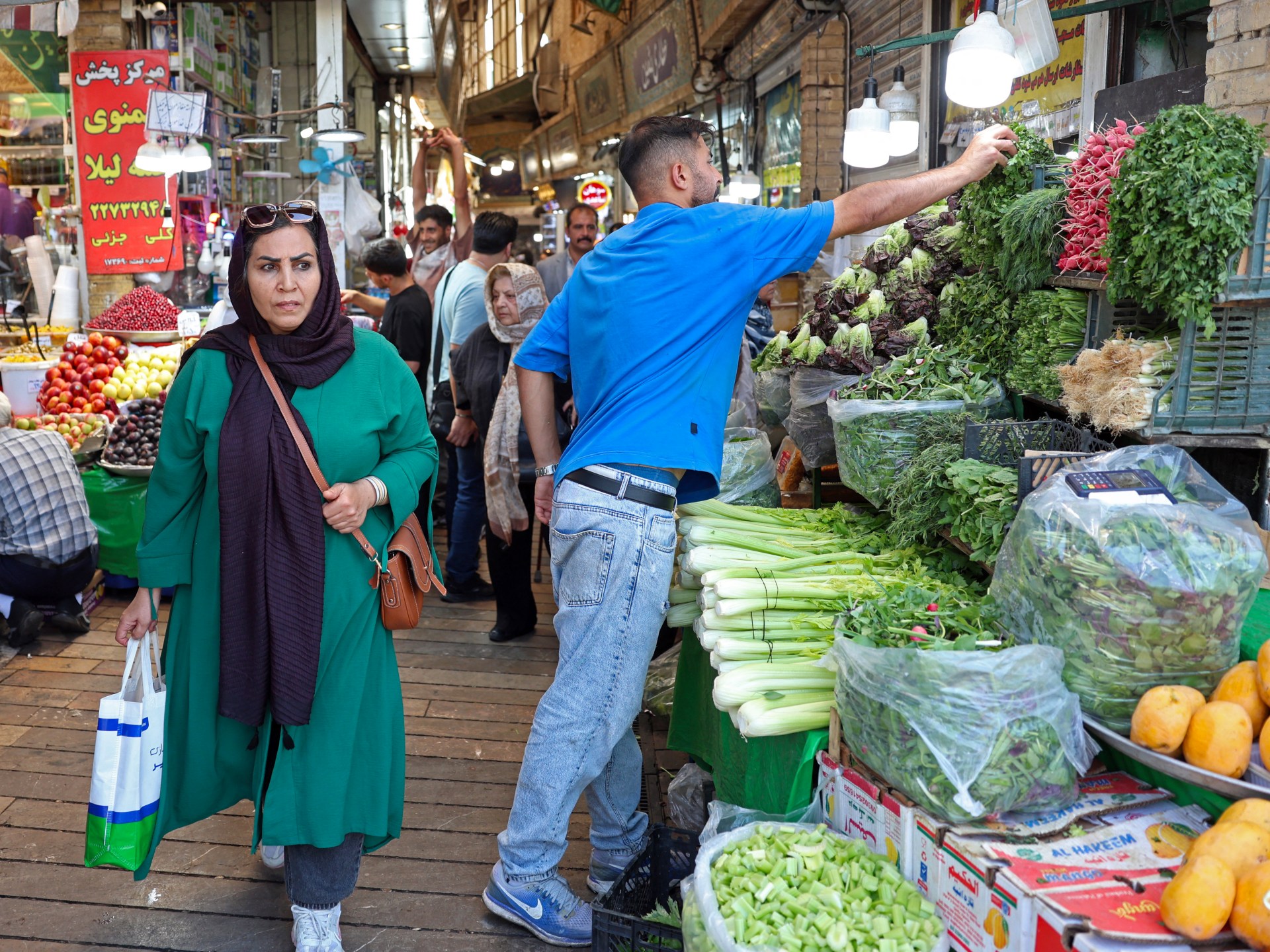
Iran's senior leadership has openly admitted to the mounting economic costs stemming from sanctions regimes and external military pressure, marking a notable shift in public discourse regarding the nation's financial challenges.
According to Iranian officials, the combined effects of international sanctions and naval blockades have precipitated a dramatic contraction in both export and import activity, with trade volumes declining by nearly 35 percent. The figures underscore the strain placed on Iran's already fragile economy by restrictions on oil sales, financial transactions, and access to international markets.
While acknowledging these economic headwinds, Iran's leadership has signaled a dual-track approach to its current predicament. Alongside continued military investments and defence preparations, senior officials have indicated a renewed commitment to pursuing diplomatic engagements aimed at resolving outstanding disputes and alleviating sanctions pressures.
The public recognition of economic difficulties reflects growing internal pressure on policymakers as inflation, unemployment, and currency depreciation continue to affect ordinary Iranians. Officials have sought to frame diplomatic initiatives as complementary to security measures rather than as concessions, attempting to maintain domestic political support while signaling openness to negotiations.
Analysts suggest the shift in rhetoric may presage renewed international discussions on Iran's nuclear programme and broader regional security concerns, though concrete progress remains uncertain amid ongoing geopolitical tensions.