World · World News Bureau
Iran's Military Readiness Questioned Amid Strike Vulnerability Concerns
Analysts assess Iran's capacity to respond to potential US-Israeli military strikes, even as the nation's civilian infrastructure and population centers remain largely unprotected. The assessment suggests Tehran retains offensive capabilities despite significant vulnerabilities.
LSN World News ·
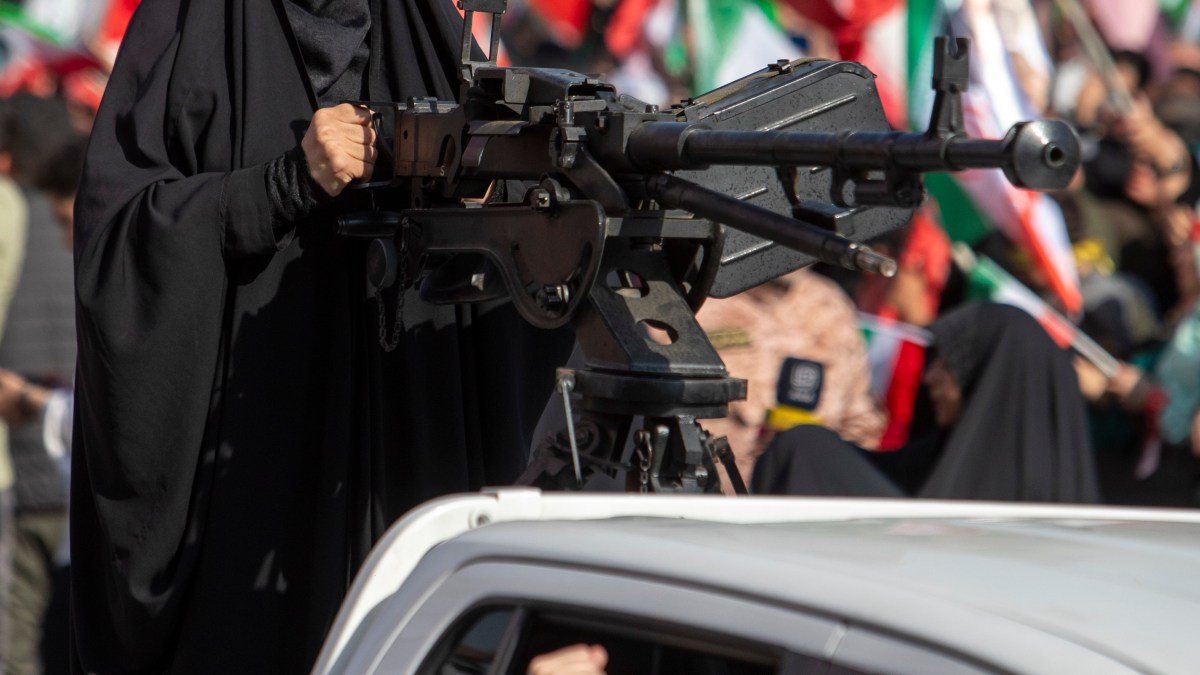
Iran would face considerable challenges in mounting an effective response to coordinated military strikes by the United States and Israel, according to regional security analysts. While the Islamic Republic has maintained and upgraded elements of its offensive arsenal in recent years, including ballistic missiles and drone capabilities, broad sections of the country's critical infrastructure and civilian population centers lack adequate defensive measures.
Military experts point to Iran's air defense systems as a primary weakness, with aging radar networks and limited coverage across much of the country. The nation's ability to intercept incoming aircraft or cruise missiles remains constrained, particularly against advanced weaponry deployed by either the US or Israel.
Iran's conventional response options are primarily centered on its missile and drone programs, which have been expanded and refined over the past decade. However, the geographic distance between Iran and potential targets, combined with superior US and Israeli air capabilities, would likely limit the effectiveness of any retaliatory strikes.
The vulnerability of Iran's civilian infrastructure—including oil refineries, power plants, and industrial facilities—presents a significant strategic concern for Tehran's leadership. Any major military confrontation could inflict substantial economic damage beyond direct military losses, further constraining the nation's capacity for sustained operations or recovery.