Politics · Sri Lanka Bureau
Iran's parliament backs toll system for Strait of Hormuz shipping
An Iranian parliamentary committee has approved a proposal to impose fees on vessels transiting the strategic Strait of Hormuz, a waterway critical to global oil supplies and maritime trade.
LSN Sri Lanka ·
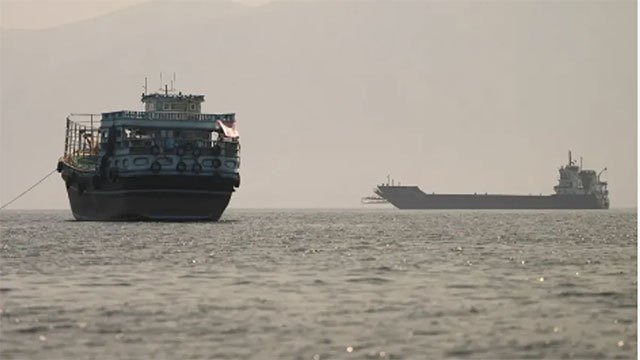
The decision by Iran's parliamentary energy committee represents a significant policy shift regarding one of the world's most important shipping lanes. The strait, which separates Iran from Oman, serves as a bottleneck through which roughly one-fifth of global oil consumption passes annually, making it vital to international energy security and regional economies including Sri Lanka's energy needs.
The proposed fee system would apply to all commercial vessels using the strategic waterway. While specific tariff details remain unclear, the measure signals Iran's intention to exert greater control over traffic through the corridor and potentially generate additional revenue. The approval by the committee is a preliminary step, with the proposal requiring broader parliamentary ratification before implementation.
The move comes amid heightened regional tensions and ongoing disputes over maritime navigation rights. Iran has previously threatened to close or restrict access to the strait during periods of geopolitical friction, raising concerns among shipping nations and oil-importing countries worldwide. Sri Lanka, dependent on maritime trade for its economic lifeline, maintains close attention to developments affecting shipping corridors and international commerce.
Industry observers note that such a fee structure could impact global shipping costs and potentially influence oil prices. The implementation timeline and specific rate structure will be critical factors determining the practical impact on international trade flows through the critical waterway.