World · World News Bureau
Iran's potential successor signals shift toward consensus-based decision making
Mojtaba Khamenei's recent consultative activities suggest a possible restructuring of Iran's power apparatus, with implications for the country's domestic and foreign policy direction. The development points to potential changes in how decisions are made at the highest levels of Iran's government.
LSN World News ·
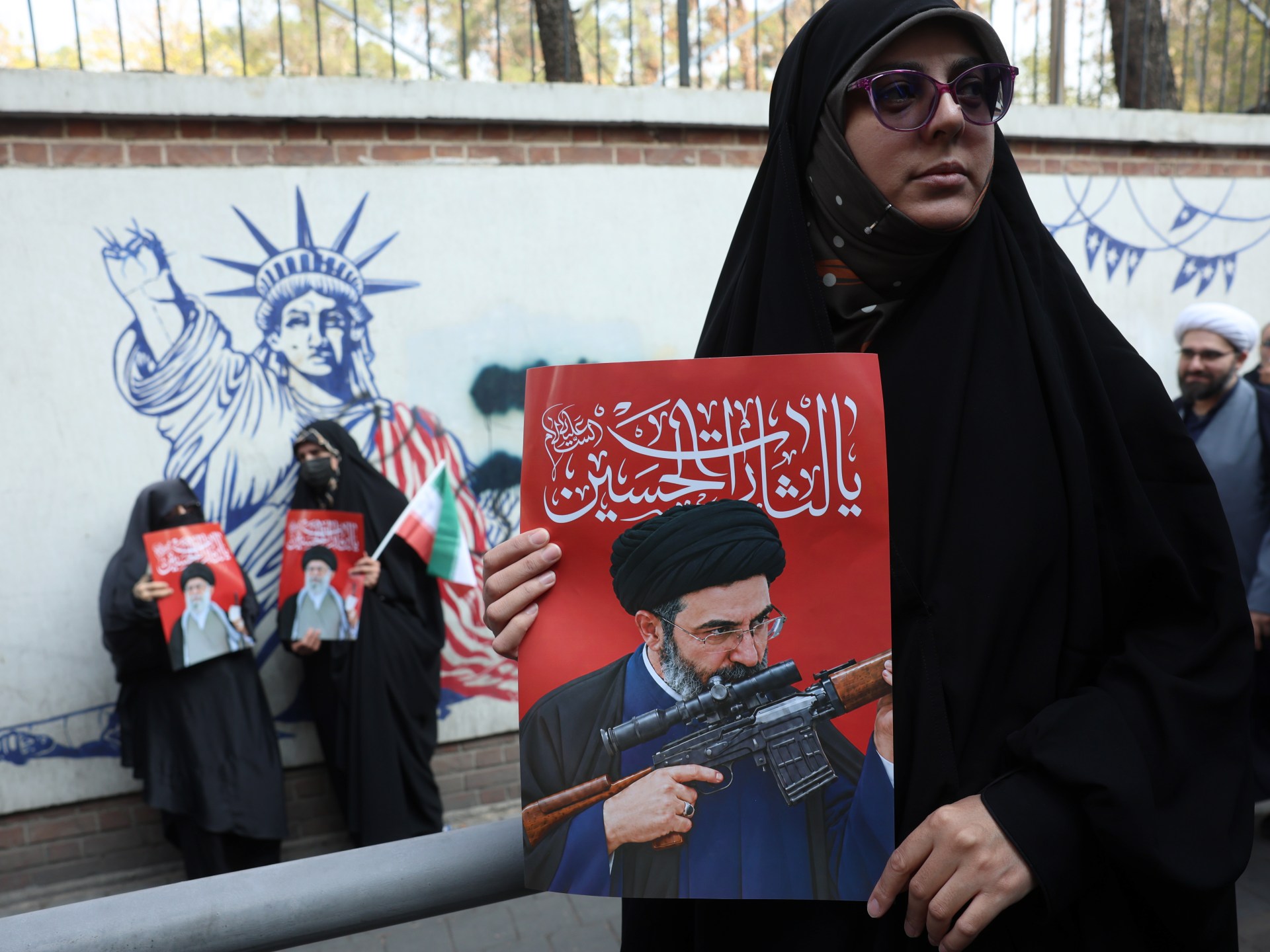
High-level consultations involving Mojtaba Khamenei, son of Iran's Supreme Leader Ayatollah Ali Khamenei, indicate that a new decision-making framework may be emerging within Tehran's power structure. The consultative process has involved meetings with key figures across Iran's political and military establishment, signaling a potential departure from the concentrated authority model that has long characterized Iran's governance.
Observers of Iranian politics note that such consultations typically precede significant shifts in how the country's leadership navigates both domestic governance and regional diplomacy. The expanded dialogue suggests an effort to build broader consensus among Iran's various power centers—including the Revolutionary Guards, judiciary, and civilian government officials—before major policy determinations are made.
The timing of these consultations comes amid ongoing regional tensions and negotiations over Iran's nuclear program. A governance model based on greater consultation could theoretically influence Iran's approach to international negotiations and regional conflicts, though analysts caution that any structural changes would likely remain incremental and operate within Iran's existing constitutional framework.
The exact scope and nature of any institutional reforms remain unclear, with Iranian officials offering limited public comment on the matter. However, the pattern of consultations suggests that questions about succession planning and the future distribution of power within Iran's leadership have moved into active consideration among the country's elite circles.