Politics · World News Bureau
Iran's President Defends Nation's Resilience Against Economic Collapse
Iranian President Masoud Pezeshkian has rejected comparisons between Iran and Venezuela, asserting that the nation has demonstrated resilience despite facing military pressures and international sanctions. The statement underscores Tehran's efforts to maintain economic stability amid regional tensions.
LSN World News ·
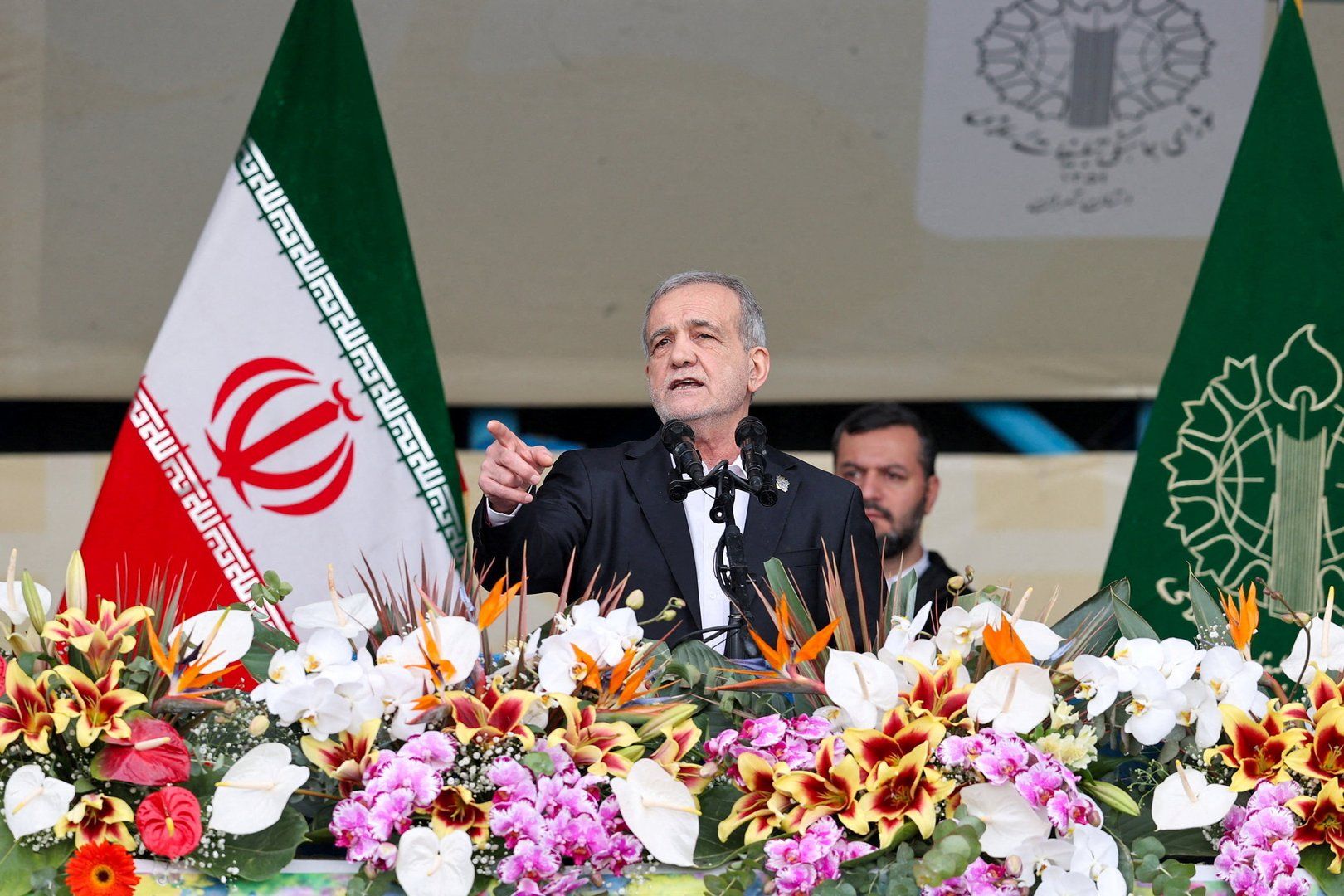
Iranian President Masoud Pezeshkian on Tuesday defended his nation's economic and political standing, dismissing suggestions that Iran faces the kind of systemic collapse that has plagued Venezuela. Speaking amid what he characterized as a full-scale war and comprehensive sanctions regime, Pezeshkian argued that Iran has maintained institutional strength and avoided the trajectory of economic disintegration witnessed in the South American nation.
The Iranian leader's comments reflect growing concerns about the country's economic vulnerabilities, including currency depreciation, inflation, and the impact of longstanding international sanctions. However, Pezeshkian sought to project confidence in Iran's capacity to weather sustained external pressure while maintaining government functionality and social stability.
Iran has faced escalating regional tensions and an expansive sanctions architecture imposed primarily by the United States. Despite these headwinds, the government has implemented measures to stabilize critical economic sectors and maintain essential services. Pezeshkian's remarks suggest Tehran views its institutional resilience as a key distinction separating its situation from other nations experiencing state collapse or severe governmental dysfunction.
The president's assertion comes as Iran navigates complex geopolitical challenges in the Middle East while contending with significant domestic economic pressures. His comments indicate the administration is seeking to reassure both international observers and domestic audiences about the nation's ability to sustain itself under duress.