World · World News Bureau
Iran's regional pressure tactics threaten Gulf reconciliation efforts
Tehran's continued assertiveness across the Middle East is testing newly forged diplomatic ties with neighbouring Gulf states, raising questions about the sustainability of recent agreements.
LSN World News ·
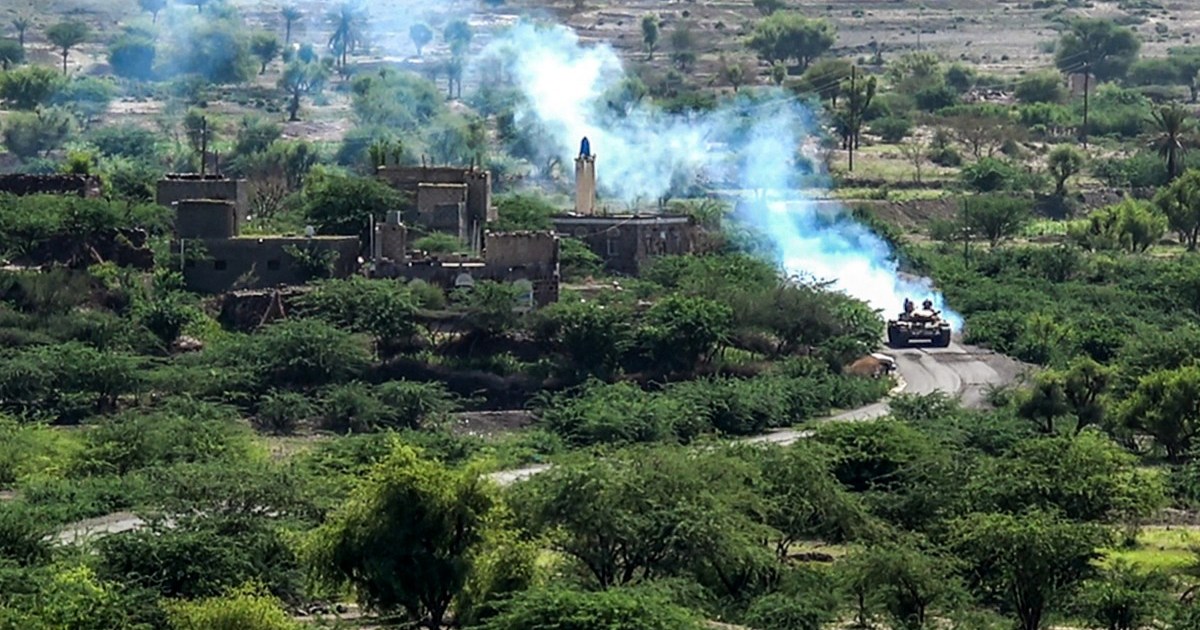
Iran's strategy of maintaining influence through proxies and pressure tactics across the region is increasingly complicating its diplomatic overtures toward Gulf neighbours, analysts say. The tension between Tehran's efforts to improve relations with Saudi Arabia, the United Arab Emirates, and other regional players and its parallel pursuit of regional leverage through non-state actors and military posturing is creating contradictions that risk undermining fragile truces.
Recent diplomatic breakthroughs, including China-brokered agreements and direct negotiations, have signalled a potential thaw in regional tensions. However, observers note that Iran's continued support for armed groups, ballistic missile development, and cross-border operations continue to provoke alarm among Gulf states, undercutting confidence-building measures.
Gulf capitals have made clear that any sustainable rapprochement depends on demonstrable changes in Iranian behaviour beyond formal diplomatic channels. The gap between Iran's stated interest in regional de-escalation and its operational activities on the ground remains a critical obstacle to normalizing relations and reducing militarization across the strategically vital waterway.
Regional analysts suggest that resolving this contradiction will be essential for any lasting stabilization, with the coming months likely to test whether Tehran is willing to align its regional conduct with its diplomatic commitments.