Business · World News Bureau
Iran's Strait of Hormuz leverage erodes as oil flows rebound
While crude shipments through the critical waterway have recovered from previous disruptions, elevated insurance premiums and persistent geopolitical tensions continue to hamper a full return to normal operations in one of the world's most strategically important energy chokepoints.
LSN World News ·
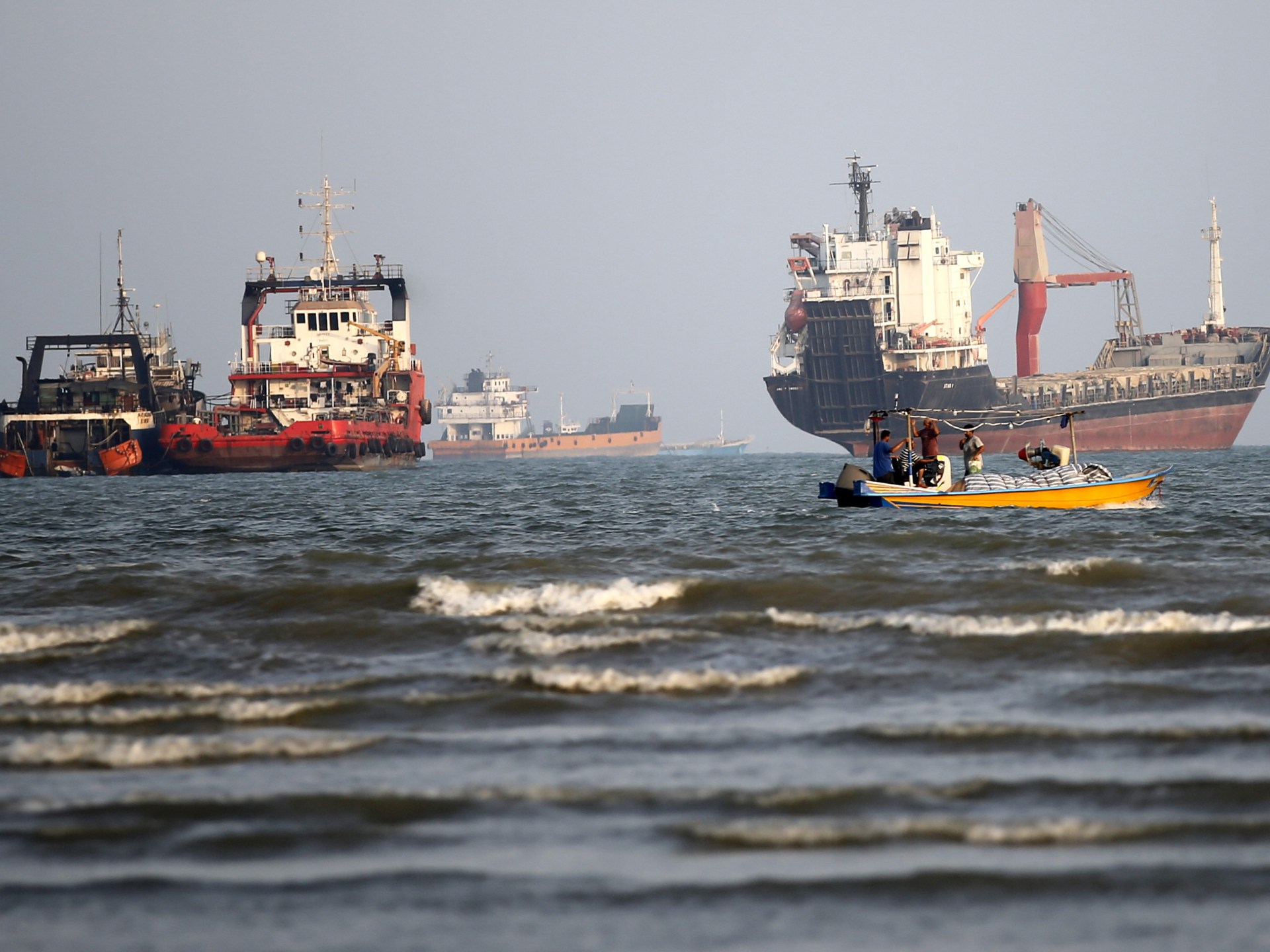
Oil flows through the Strait of Hormuz, the narrow passage separating Iran from Oman through which roughly one-fifth of global petroleum transits daily, have stabilized at levels approaching pre-disruption volumes. The recovery marks a significant shift in the balance of power over a waterway that has long served as a focal point for regional tensions and economic pressures.
Despite the rebound in crude volumes, the restoration remains incomplete. Tanker operators and insurers continue to demand elevated premiums for vessels transiting the strait, reflecting lingering concerns about potential Iranian actions or broader regional instability. These additional costs effectively reduce Iran's economic leverage, as the nation's attempts to disrupt global energy markets face diminishing returns when supply chains adapt and insurance markets price in the risks.
Geopolitical uncertainties surrounding sanctions, naval incidents, and broader Middle Eastern tensions continue to create a challenging operating environment. However, the ability of global oil markets to absorb and redirect flows around Iranian pressure points suggests that Tehran's capacity to weaponize control of the strait faces structural limits. As international energy supplies demonstrate resilience, Iran's negotiating position regarding Hormuz access appears progressively weakened.