World · World News Bureau
Iran tensions expose fractures within BRICS coalition on global order
While BRICS members share a desire to reshape the international system, disagreements over concrete strategies and regional priorities threaten to undermine the bloc's unified influence.
LSN World News ·
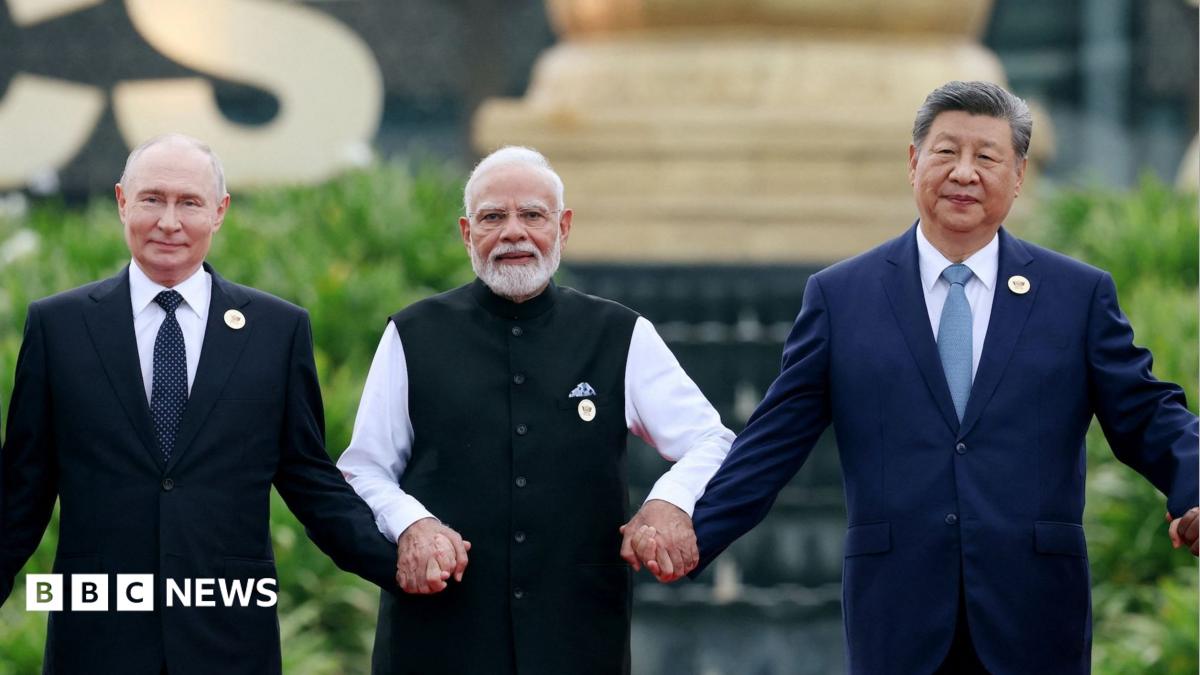
The emerging geopolitical crisis involving Iran has intensified longstanding tensions within BRICS, revealing how the five-nation coalition struggles to translate broad ideological consensus into coordinated action. Member states have publicly acknowledged the need for fundamental reforms to the existing global order, yet they remain divided on essential questions about what should replace current structures and the pathways to achieve such transformation.
The divergence reflects deeper contradictions within the bloc. While Brazil, Russia, India, China, and South Africa unite in criticizing Western-dominated institutions and advocating for greater representation of developing nations, their distinct regional interests and strategic partnerships often pull them in opposing directions. The Iranian situation exemplifies this challenge, as member nations balance their rhetoric about reforming international governance with pragmatic calculations regarding their own security concerns and economic ties.
Key fault lines have emerged regarding intervention principles, economic cooperation frameworks, and the pace of institutional change. Some members prioritize stability and incremental reform, while others push for more radical restructuring. Disagreements over how aggressively to challenge existing multilateral institutions have surfaced in recent discussions, complicating efforts to present a cohesive alternative vision.
Analysts suggest that BRICS' effectiveness as a counterweight to Western influence depends on its ability to bridge these fundamental differences. Without clearer consensus on both ends and means, the bloc risks becoming a forum for venting grievances rather than a mechanism for meaningful global transformation. Upcoming summits will test whether members can forge pragmatic compromises or whether internal divisions will continue to limit the organization's impact on international affairs.