World · World News Bureau
Iran tensions test BRICS unity as members clash on global order
While BRICS nations agree the current international system needs overhaul, deep divisions persist over what should replace it and how to implement change. Recent geopolitical tensions have exposed competing interests among the bloc's major powers.
LSN World News ·
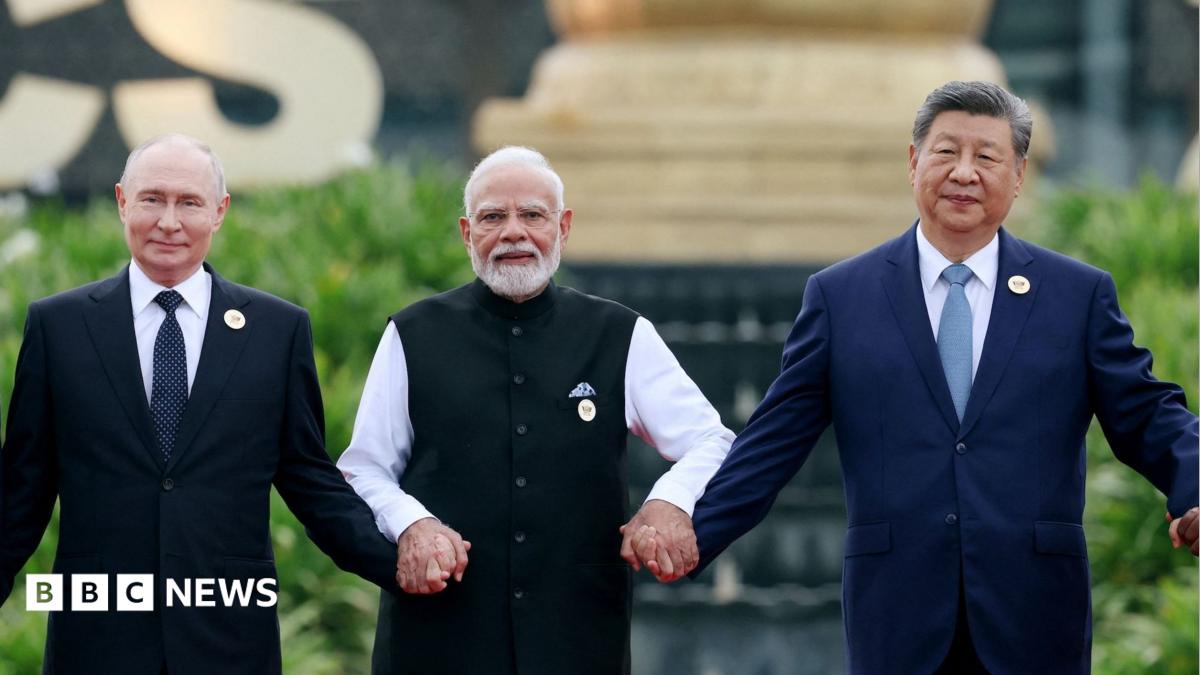
The BRICS coalition of major emerging economies faces mounting pressure to define a coherent alternative to the Western-dominated global order, even as internal fractures widen over regional security matters. The escalating situation involving Iran has become a litmus test for the bloc's ability to forge consensus on critical issues beyond economic cooperation.
BRICS members—Brazil, Russia, India, China, and South Africa—have consistently articulated their vision for a multipolar world that diminishes Western hegemony. However, translating this shared aspiration into concrete policy proposals has proven considerably more difficult, with member states pursuing divergent strategic interests across the Middle East and beyond.
The bloc's traditional focus on economic integration through alternative payment systems and development finance has increasingly collided with geopolitical realities. India and China maintain competing regional ambitions, while Russia's international isolation and South Africa's balancing act between various powers complicate efforts to present a unified front on security matters.
Analysts suggest BRICS remains more effective as a counter-narrative to existing structures than as a coherent alternative framework. Until members reconcile their strategic differences and establish mechanisms for resolving disputes, the bloc's transformative potential may remain constrained by the very national interests that brought it together.