World · Bangladesh Bureau
Iran Ties Strait of Hormuz Access to US Concessions
Iran's chief nuclear negotiator has signalled that Tehran will not allow passage through the strategic Strait of Hormuz unless the United States meets Iranian demands. The statement underscores escalating tensions over Tehran's nuclear programme and regional security concerns.
LSN Bangladesh ·
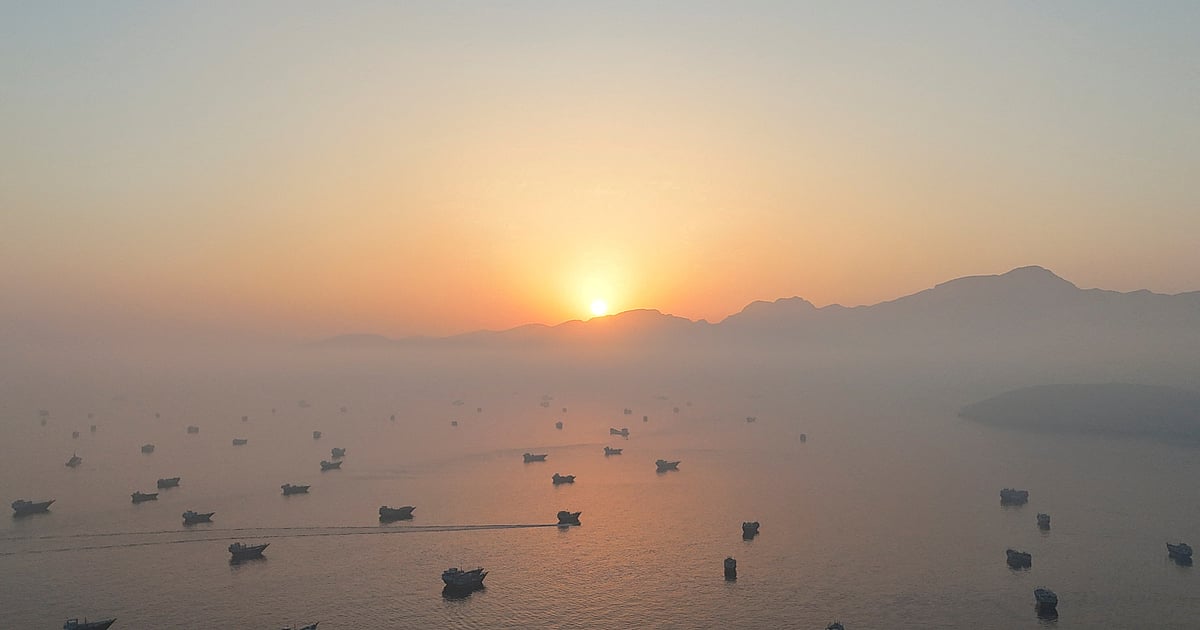
Mohammad Baqer Ghalibaf, Iran's lead negotiator in nuclear talks, declared on Monday that the Strait of Hormuz—one of the world's most critical shipping lanes—will remain closed to international traffic until Washington addresses Tehran's conditions.
Ghalibaf's remarks mark a significant hardening of Iran's negotiating stance regarding the vital waterway through which roughly one-third of globally traded oil passes. The statement comes amid renewed deadlock in indirect talks between Tehran and Washington over the future of the 2015 nuclear accord, formally known as the Joint Comprehensive Plan of Action (JCPOA).
The Iranian negotiator did not specify which particular demands the United States must satisfy, though Tehran has previously insisted on the removal of American sanctions imposed after the Trump administration's 2018 withdrawal from the nuclear agreement. Iran has also sought guarantees that any future U.S. administration will not again abandon the deal.
The threat to restrict Hormuz passage carries significant economic implications for global energy markets and maritime commerce. Any disruption to the strait would potentially spike oil prices and disrupt shipping schedules for nations across Asia, the Middle East, and beyond.
Diplomats from both sides have indicated willingness to continue negotiations, but fundamental disagreements persist over sequencing and verification measures related to sanctions relief and nuclear programme limitations.