World · World News Bureau
Iran-US tensions entrench as Gulf states grapple with economic fallout
Six months of escalating hostilities between Iran and the United States show no sign of resolution, leaving Arab Gulf nations caught between geopolitical pressures and mounting economic uncertainty. Regional governments face difficult choices as the conflict settles into a prolonged standoff with no clear endgame.
LSN World News ·
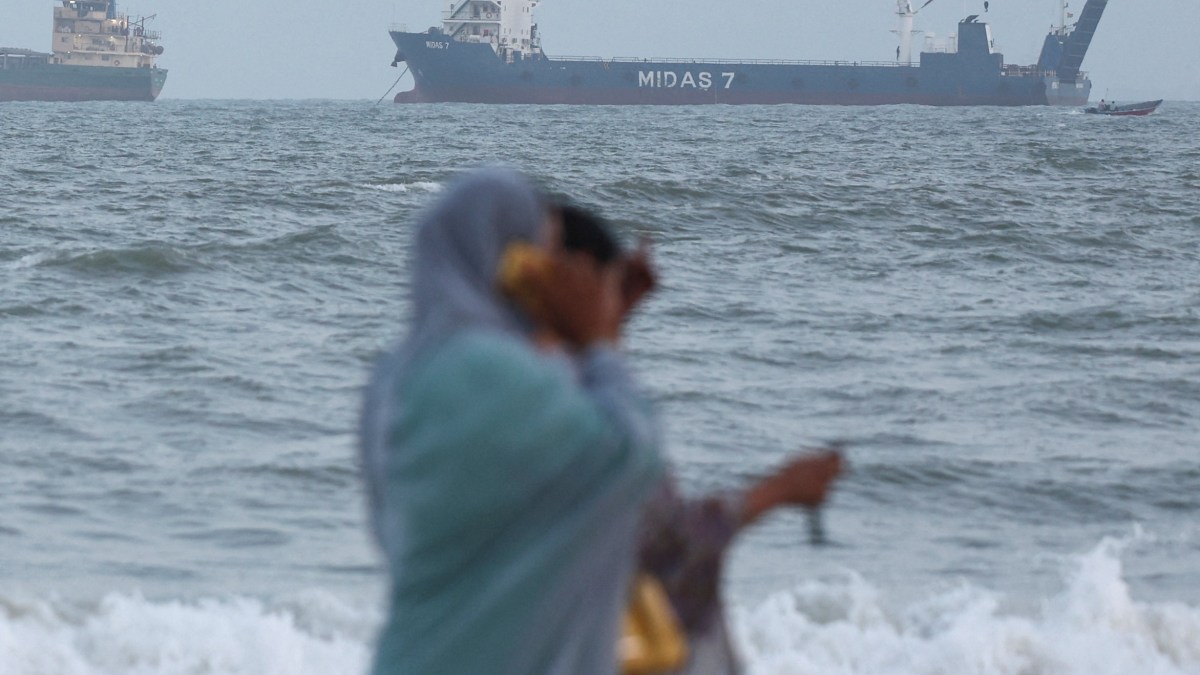
The protracted standoff between Tehran and Washington has evolved into a test of endurance rather than a decisive military confrontation, with neither side achieving decisive strategic advantage. Iran's government apparatus remains intact despite sustained international pressure, while the broader region braces for the economic consequences of prolonged tensions.
Arab states across the Gulf find themselves in an increasingly precarious position, balancing relationships with both Washington and Tehran while contending with volatile energy markets and disrupted trade routes. The uncertainty has begun affecting investment decisions and business confidence across the region, with companies postponing expansion plans and reconsidering regional operations.
The absence of any near-term diplomatic off-ramp has prompted Gulf governments to reassess their strategic posture. Some states have quietly expanded engagement channels while maintaining public alignment with their traditional Western partners, reflecting the complex calculations required to navigate the current environment.
Economic analysts warn that prolonged instability could accelerate capital flight from the region and deter foreign investment needed for diversification efforts. Oil-dependent economies face particular vulnerability, as sustained tensions create price volatility that complicates long-term fiscal planning and development initiatives.
Regional officials continue calling for de-escalation while privately preparing for an extended period of heightened tensions and economic headwinds.