World · Malaysia Bureau
Iran warns of fresh strikes pending US response to Strait plan
Iran's chief negotiator has issued a stark warning that regional infrastructure could face attack if Tehran's security concerns are not addressed. Mohammad Bagher Ghalibaf's comments signal escalating tensions as Iran awaits a US response to its proposal regarding the strategically vital Strait of Hormuz.
LSN Malaysia ·
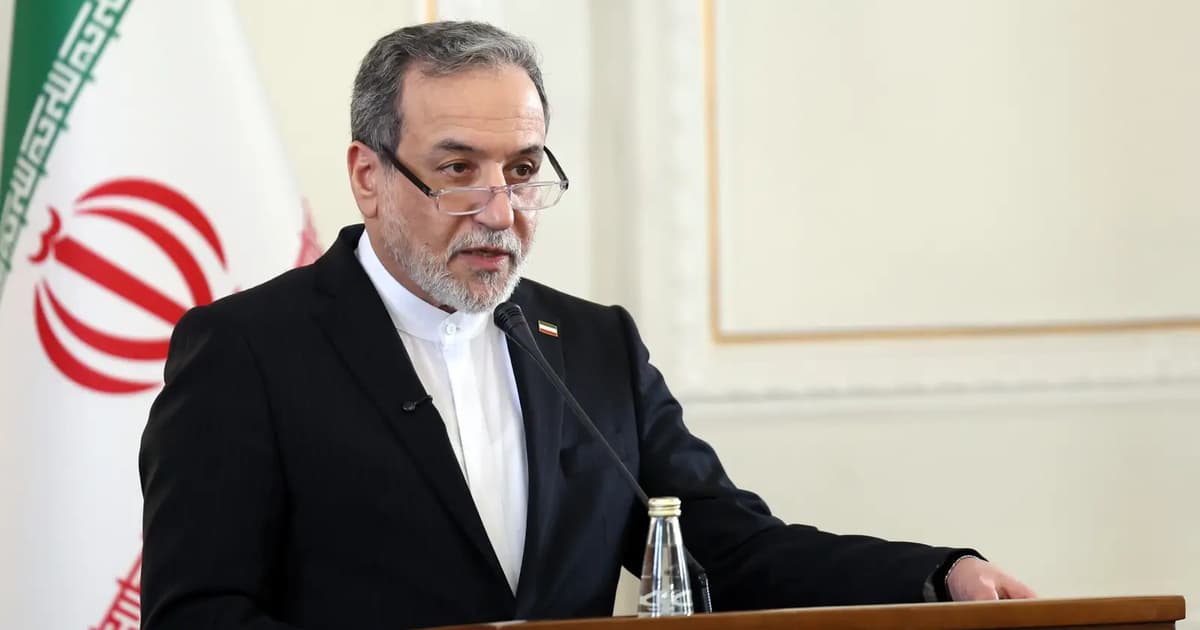
Iran's chief negotiator Mohammad Bagher Ghalibaf has threatened renewed military action if the United States fails to guarantee his country's security in the volatile Gulf region. Speaking from Tehran, Ghalibaf warned that no infrastructure in the area would remain safe should Iran's security demands go unmet, underscoring the high stakes of ongoing diplomatic negotiations.
The stern warning comes as Iran awaits Washington's formal response to a proposal it has tabled regarding the Strait of Hormuz, one of the world's most critical shipping chokepoints through which millions of barrels of oil pass daily. The timing of Ghalibaf's comments reflects growing impatience in Tehran over the pace of negotiations and apparent frustration over what Iranian officials perceive as inadequate acknowledgement of their security grievances.
The threat represents the latest escalation in rhetoric between Tehran and Washington, with both sides maintaining hardened positions on key issues including nuclear safeguards and regional military presence. Ghalibaf's reference to regional infrastructure strikes echoes previous Iranian military actions and signals that Tehran is prepared to back its diplomatic demands with military force if negotiations falter.
Analysts say the comments underscore the delicate balance between dialogue and confrontation in the Middle East, with the Strait of Hormuz remaining a flashpoint for potential international conflict. The region hosts critical oil infrastructure vital to global energy markets, making any disruption a concern for nations far beyond the Gulf itself.