World · World News Bureau
Iranian academic describes US detention ordeal tied to 1979 hostage crisis
An Iranian academic has recounted her experience in US detention after immigration authorities revoked her status over family connections to a prominent Iranian official. Maryam Tahmasebi's case highlights ongoing tensions between Washington and Tehran rooted in the 1979 embassy hostage crisis.
LSN World News ·
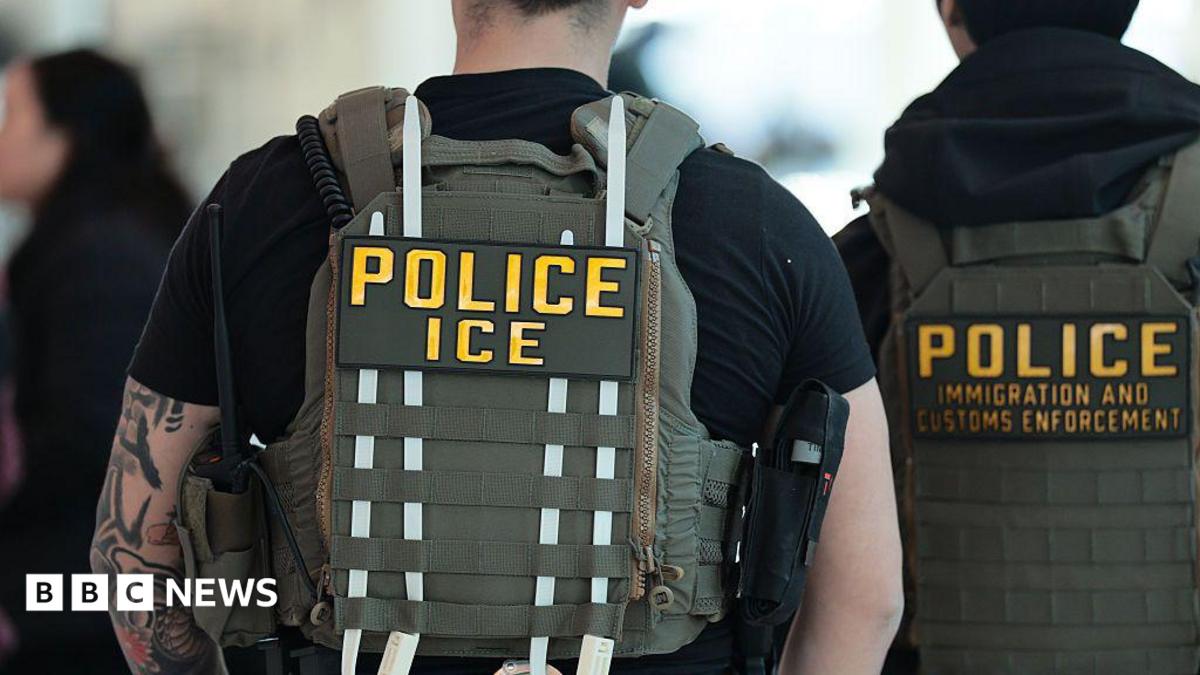
Maryam Tahmasebi, an Iranian scholar living in the United States, has described her detention by immigration authorities as a harrowing experience linked to geopolitical tensions between the United States and Iran. According to reports, her immigration status was revoked due to her husband's familial connection to a prominent figure involved in Iran's 1979 hostage crisis, when Iranian students stormed the US embassy in Tehran and held 52 Americans captive for 444 days.
The revocation of Tahmasebi's status represents a significant disruption to her academic and personal life in America. The decision appears rooted in US immigration law provisions that can restrict entry or residency for individuals with ties to events deemed hostile to American interests, a framework that continues to affect Iranians decades after the hostage crisis.
Tahmasebi's account underscores the lasting impact of US-Iran relations on immigrant communities and family networks. Her case reflects broader patterns in which descendants or relatives of historical figures from Iran face immigration scrutiny based on family lineage rather than individual conduct or eligibility criteria.
The situation raises questions about the application of immigration policies tied to Cold War-era events and their continuing effects on contemporary transnational families. Experts note such cases illustrate tensions between national security concerns and individual rights within immigration enforcement.