World · India Bureau
Iranian oil tankers operate covertly in Malaysian waters despite US sanctions
Companies continue servicing Iran's shadow fleet in Southeast Asian waters, defying US threats of enforcement action. The operations highlight the persistence of sanctions-evasion networks in the region.
LSN India ·
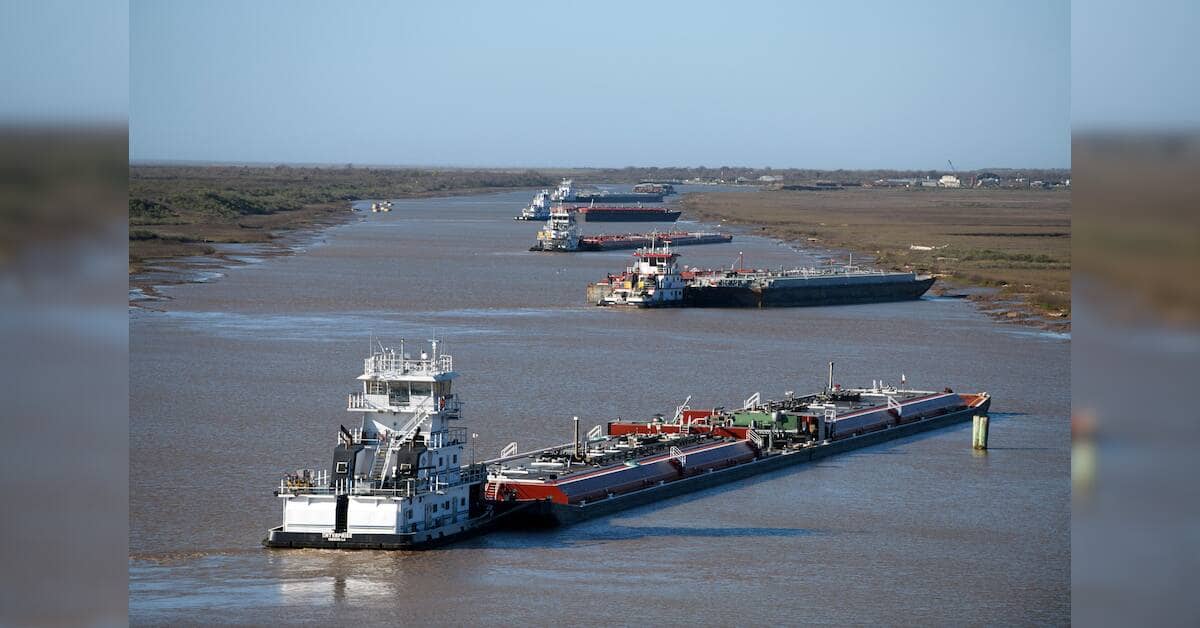
A network of companies is actively maintaining and servicing Iranian oil tankers operating under obscure flags in Malaysian territorial waters, according to shipping industry sources. The vessels, part of what analysts term Iran's 'shadow fleet,' continue their operations despite explicit warnings from Washington that nations and entities supporting such activities face sanctions.
The tankers, often operating under flags of convenience and with opaque ownership structures, have become a critical mechanism for Iran to circumvent international oil sanctions. By conducting maintenance and supply operations in Malaysian waters—a major regional shipping hub—the network exploits gaps in enforcement and regulatory oversight across Southeast Asia.
Shipping companies involved in servicing these vessels range from fuel suppliers to repair contractors, many based in the region. Their continued engagement suggests that economic incentives and limited enforcement mechanisms outweigh concerns about potential US sanctions exposure for foreign entities.
The situation underscores the challenges facing Western sanctions regimes in Asia, where competing economic interests and complex jurisdictional questions create opportunities for evasion. Malaysia, a key international shipping center, has not taken aggressive measures against the operations, reflecting the diplomatic complexities of confronting Iran in a region where multiple powers maintain economic and strategic interests.
US officials have repeatedly cautioned that nations failing to prevent such activities within their waters risk secondary sanctions. However, enforcement remains inconsistent, and the shadow fleet's operations continue to expand as Iran seeks alternative routes to monetize its oil exports in global markets.