World · World News Bureau
Iranian rial plummets as US dollar reaches 2 million in Tehran bazaar
Iran's currency has collapsed to historic lows, with the US dollar trading at 2 million rials in informal markets. The sharp depreciation reflects the cumulative impact of international sanctions and regional tensions on the country's already fragile economy.
LSN World News ·
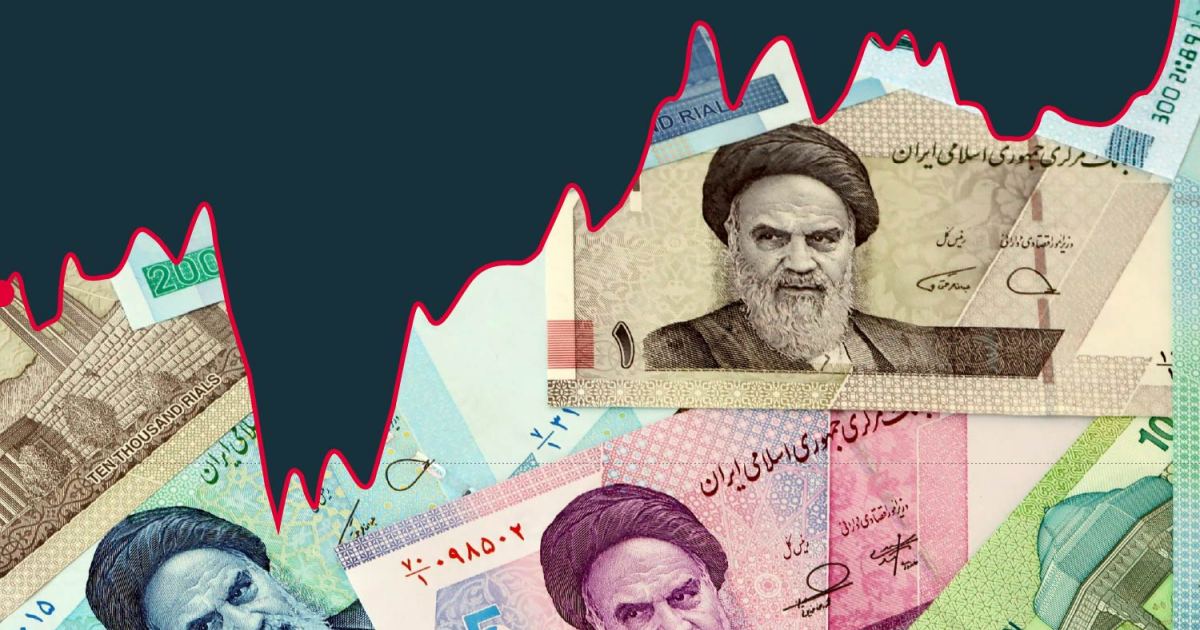
The Iranian rial has hit record lows in the informal exchange market, with the US dollar now commanding 2 million rials—a stark indicator of the nation's deepening economic crisis. The currency's collapse underscores the mounting pressure on ordinary Iranians, who face accelerating inflation that far outpaces wage increases and erodes purchasing power across basic goods and services.
The rial's deterioration stems from multiple economic headwinds, including decades-long international sanctions that have restricted Iran's access to global financial systems and limited its oil export revenues. These structural constraints have been compounded by regional geopolitical tensions, which have deepened uncertainty about Iran's economic outlook and prompted capital flight among those with the means to move assets abroad.
For Iranian consumers, the currency's weakness translates into soaring prices at the marketplace. Basic commodities including food, fuel, and medicine have become increasingly unaffordable for middle and lower-income households, forcing families to cut consumption and adjust spending patterns. Small businesses dependent on imported goods face mounting costs as they must exchange rials at ever-worse rates.
Central bank efforts to stabilize the currency through administrative measures have proved insufficient to counter the underlying economic pressures. Economists attribute the rial's continued slide to low confidence in government monetary policy, persistent inflation, and limited foreign exchange reserves available to support the currency. The informal exchange rate, typically weaker than the official rate, signals growing skepticism about the authorities' ability to reverse the decline.
Iranians have increasingly turned to alternative stores of value, including gold and foreign currencies, to preserve wealth amid the economic turbulence. The currency crisis reflects broader challenges facing Iran's economy, which economists warn requires significant structural reforms and a normalization of international relations to achieve stability.