Business · World News Bureau
Iranians navigate maze of informal channels to move money abroad
As US sanctions tighten financial restrictions, Iranians employ an array of methods—from underground currency dealers to digital assets—to transfer funds internationally, each carrying significant risks and limitations.
LSN World News ·
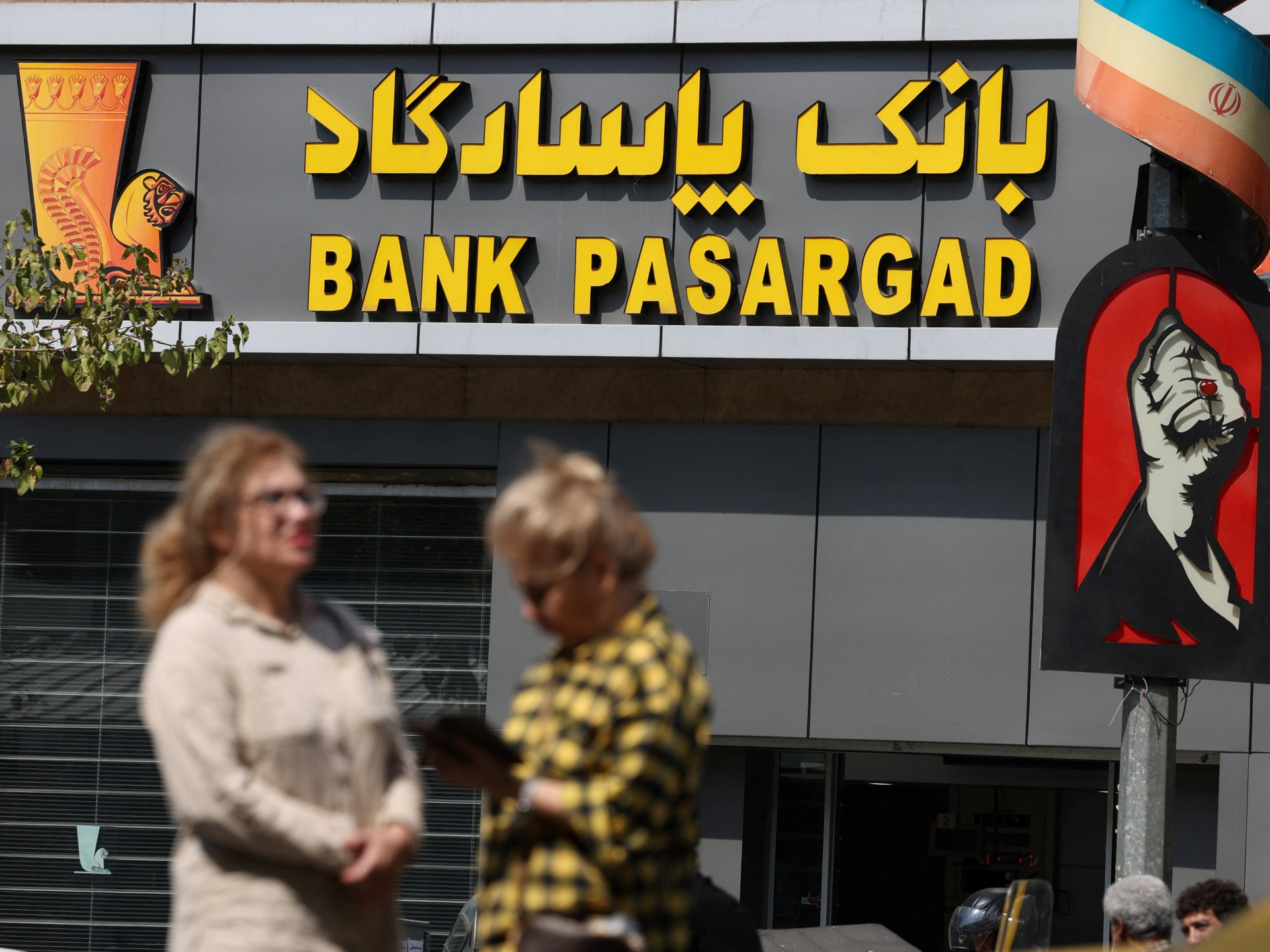
Iranian individuals and businesses struggling under comprehensive American sanctions have increasingly turned to informal money transfer networks to move capital across borders. These alternative channels range from traditional currency brokers operating in gray markets to newer digital solutions, reflecting the ingenuity of those seeking to circumvent financial isolation.
Underground currency dealers remain among the most accessible options for ordinary Iranians seeking to transfer money abroad. These informal brokers, while offering relatively quick service, charge substantial premiums and expose users to fraud, theft, and legal complications. The transactions leave little documentation, making it difficult for individuals to recover funds if disputes arise.
Cryptocurrency has emerged as another avenue for moving value internationally, allowing transfers without relying on traditional banking infrastructure subject to sanctions. However, cryptocurrency remains volatile and technically complex for many users, and Iranian authorities have shown ambivalence toward digital assets, sometimes permitting their use while other times tightening restrictions.
Hawala and similar ancient money transfer systems have experienced renewed interest among Iranians seeking alternatives to frozen banking channels. These trust-based networks, operating primarily through merchants and money dealers with international connections, facilitate fund movement without physical currency crossing borders—though they depend on personal relationships and reputation.
Each method carries drawbacks that complicate Iran's financial landscape. Informal channels lack consumer protections, involve significant hidden costs, and remain vulnerable to regulatory crackdowns. For many Iranians, accessing money abroad has become a costly and uncertain endeavor, creating economic friction even for legitimate personal and business transactions.