Politics · World News Bureau
Iraq devalues currency amid fiscal pressures, rattling business sector
Iraq's central bank has weakened the dinar to address mounting government budget constraints and salary payment obligations. The move has sparked concern among traders facing higher import expenses and market volatility.
LSN World News ·
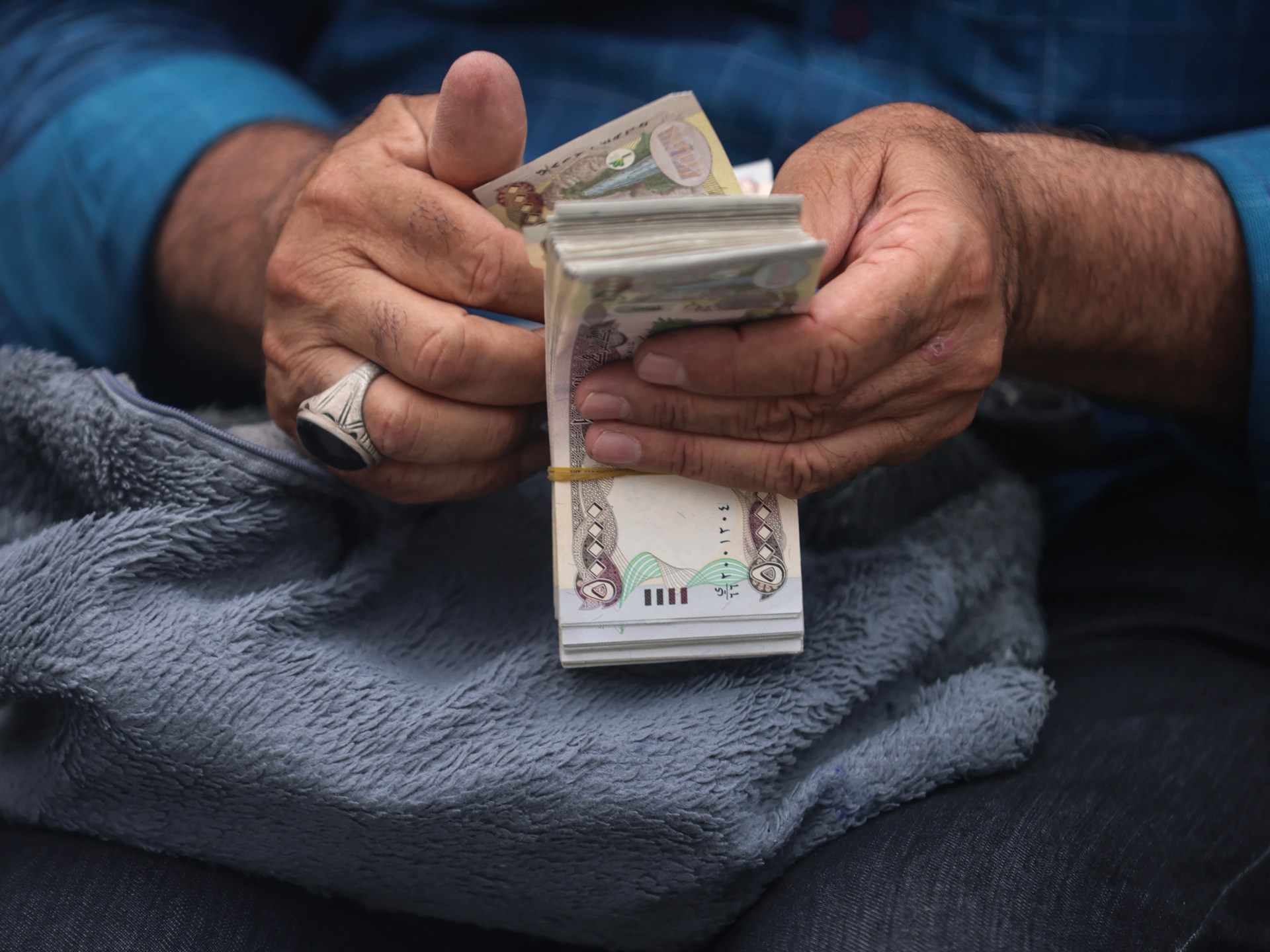
Iraq's monetary authorities have moved to devalue the dinar as part of broader efforts to manage a persistent cash shortage affecting state finances. The currency adjustment is intended to help the government meet ongoing obligations, particularly the payment of public sector salaries that consume a significant portion of Baghdad's budget.
The devaluation reflects deepening fiscal pressures stemming from Iraq's heavy dependence on volatile oil revenues. With global energy markets subject to fluctuation, Iraqi officials have struggled to maintain consistent funding for essential services and government operations. The currency move represents an attempt to stretch available resources by adjusting exchange rates.
However, the policy shift has created immediate challenges for Iraq's commercial sector. Traders and importers face sharply elevated costs for foreign goods, as the weaker dinar requires more currency units to purchase the same quantity of imports. Many businesses report uncertainty about future pricing and supply chains amid the ongoing adjustment period.
Economists note the move carries risks of inflation and further economic instability if not carefully managed. While the devaluation may provide short-term relief for government finances, sustained weakness in the dinar could erode purchasing power and complicate Iraq's broader economic recovery efforts during a period of fragile stability.