Business · World News Bureau
Iraq's currency devaluation sparks parliamentary opposition over living costs
Iraqi lawmakers have pushed back against the government's decision to devalue the dinar, warning that the move will increase financial hardship for vulnerable citizens. The currency adjustment has become a flashpoint in parliament over concerns about its broader economic impact.
LSN World News ·
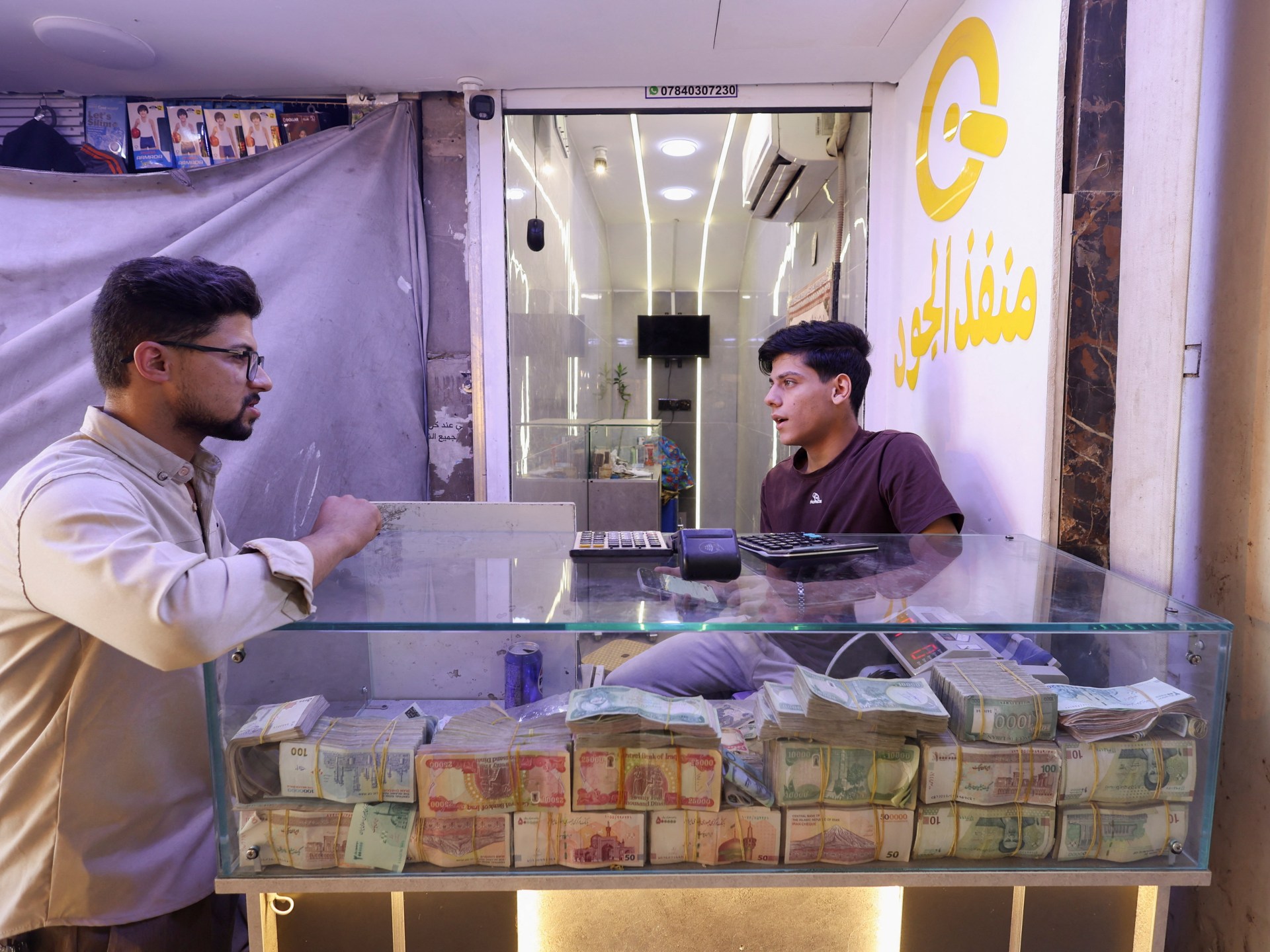
Iraq's central bank devalued the dinar in a bid to address fiscal pressures and stabilize the nation's economy, but the decision has drawn sharp criticism from members of parliament who fear it will exacerbate inflation and squeeze household budgets. The currency adjustment, announced as part of broader economic reforms, has become a focal point of debate in Baghdad as lawmakers express concern over the immediate consequences for ordinary Iraqis.
Opposing MPs have highlighted the regressive nature of currency devaluation, arguing that the poorest segments of society will bear the heaviest burden. Critics contend that while the measure may provide short-term relief to government coffers, it threatens to drive up prices for essential goods and services, from food to fuel, affecting millions of Iraqis already struggling with economic instability.
The central bank has justified the devaluation as a necessary step to manage Iraq's foreign exchange reserves and maintain monetary stability. Officials argue the adjustment aligns with international economic standards and will help attract foreign investment, though they have acknowledged the need for complementary measures to protect vulnerable populations from price shocks.
The parliamentary opposition reflects wider concerns about the unequal distribution of economic burden in Iraq. As lawmakers continue to debate the policy, pressure is mounting on the government to introduce social safety nets and targeted support programs to cushion the impact on low-income families and retirees dependent on fixed incomes.