World · World News Bureau
Iraq's Solar Villages Chart Grassroots Path to Energy Independence
Communities across Iraq are embracing decentralized solar power systems that empower local populations to manage their own energy needs. The initiative demonstrates how bottom-up renewable energy strategies can accelerate the transition away from dependence on centralized power infrastructure.
LSN World News ·
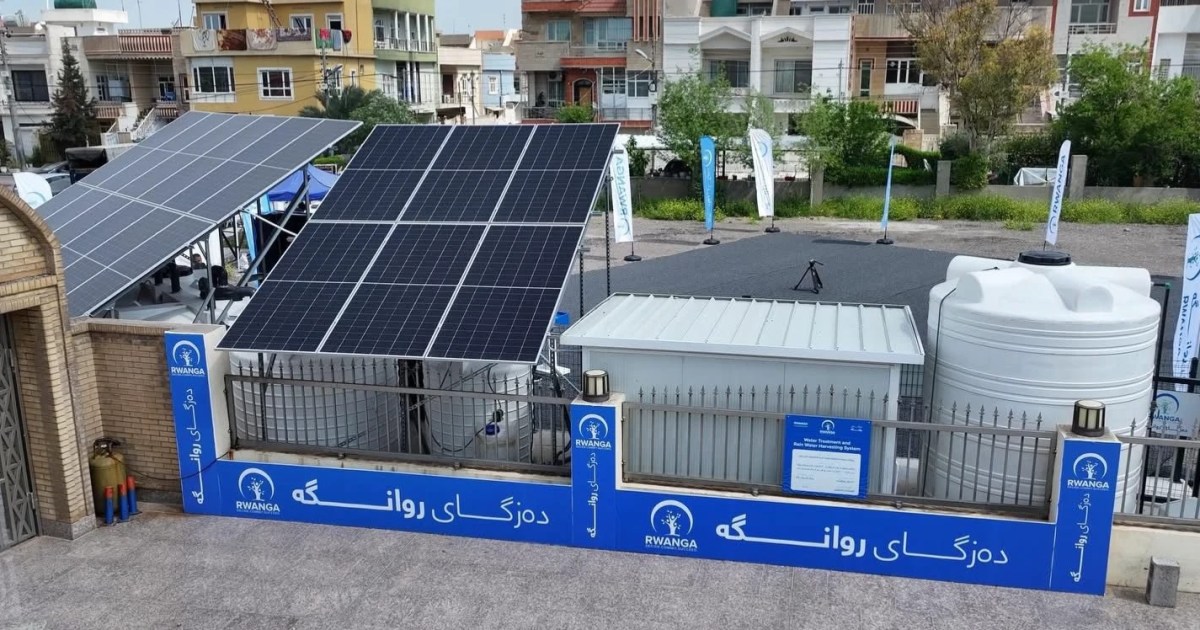
Rural communities in Iraq are increasingly turning to distributed solar installations as a means to secure reliable electricity supplies without waiting for national grid expansion. By establishing localized renewable energy systems, villages gain the capacity to operate independently while reducing their reliance on aging power infrastructure that has struggled to meet demand across much of the country.
The decentralized approach offers practical advantages beyond energy generation. Communities that control their own power sources gain greater autonomy over resource management and can direct energy investments toward local priorities. This model contrasts with traditional top-down energy policy, where isolated populations often experience prolonged service gaps while awaiting investment from national authorities.
Iraq's solar village initiatives reflect broader regional trends toward community-led renewable development. By demonstrating that sustainable energy transitions need not depend entirely on large-scale government programs, these projects provide a replicable blueprint for other developing economies facing similar infrastructure challenges. The success of localized systems suggests that energy independence at the grassroots level can accelerate progress toward national decarbonization goals while simultaneously addressing immediate access issues.
Experts view Iraq's experience as evidence that distributed renewable energy represents a viable pathway for nations seeking to modernize their power sectors. As communities prove the technical and economic viability of local systems, momentum builds for policy frameworks that support rather than hinder grassroots energy solutions.