Business · India Bureau
Irish archaeological findings challenge early farming timeline with bone reclassification
Advanced scientific analysis has overturned decades of archaeological consensus about Ireland's earliest agricultural practices, with bones previously identified as domesticated cattle now confirmed as wild bear and boar remains.
LSN India ·
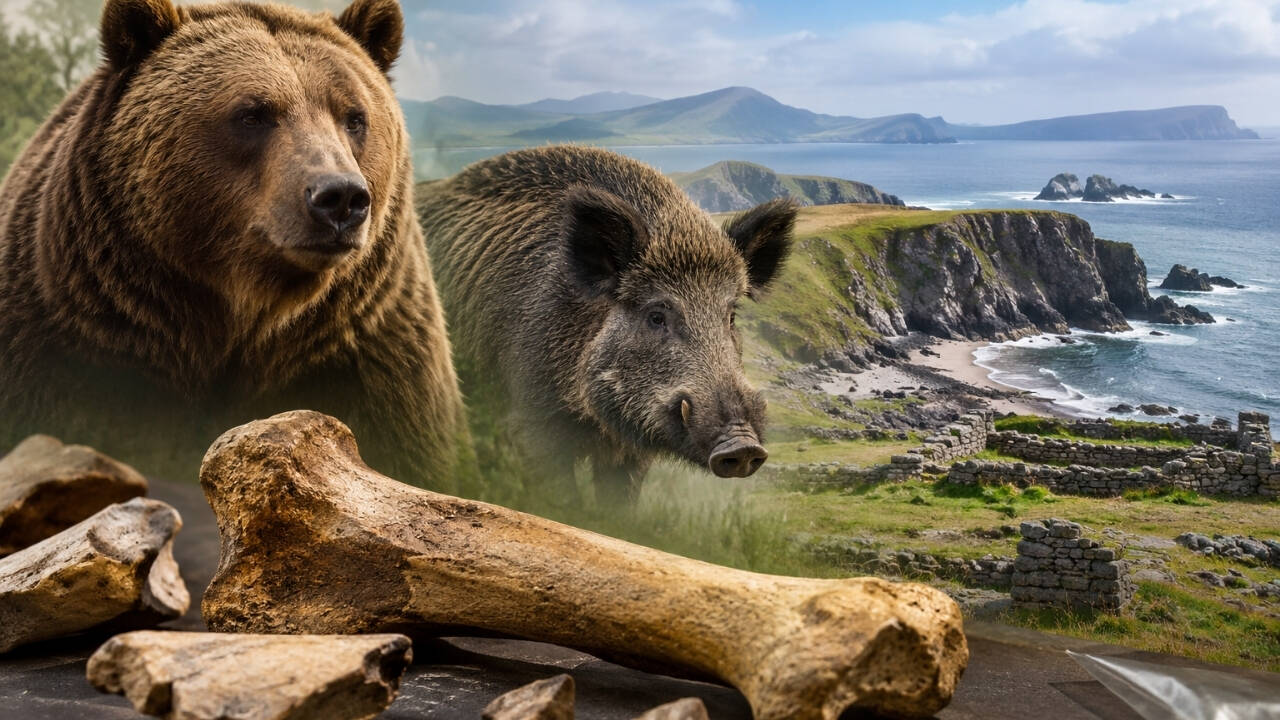
Researchers examining ancient animal remains from Ferriters Cove in County Kerry have fundamentally recast understanding of Ireland's transition to farming, revealing that specimens long cited as evidence of early cattle domestication were actually from wild species.
The bones, which have anchored arguments about prehistoric Irish agriculture for several decades, have been definitively reclassified as bear and wild boar through modern scientific analysis. This reassessment has prompted scholars to reconsider the archaeological timeline and evidence supporting theories about when farming practices were established on the island.
The reclassification underscores how contemporary analytical techniques can substantially alter interpretations of the archaeological record. Researchers utilising advanced identification methods determined that what previous generations of scientists had classified as domesticated livestock were in fact remains from hunted wild animals, a distinction with significant implications for understanding prehistoric settlement patterns and subsistence practices.
The finding highlights the importance of periodic re-examination of museum collections and historical interpretations. As scientific methodology evolves, earlier conclusions based on more limited analytical capabilities increasingly come under scrutiny, sometimes yielding dramatically different understandings of human prehistory.
The discovery is expected to fuel renewed debate among archaeologists studying the Neolithic period in Ireland and may prompt comprehensive reviews of other animal bone assemblages previously interpreted as evidence for early farming communities.