World · Myanmar Bureau
Irrawaddy River Archives Project Preserves Myanmar's Historical Records
A new initiative to digitize and preserve historical documents related to the Irrawaddy River aims to safeguard Myanmar's cultural and environmental heritage. The project seeks to create comprehensive archives documenting the river's significance to the nation.
LSN Myanmar ·
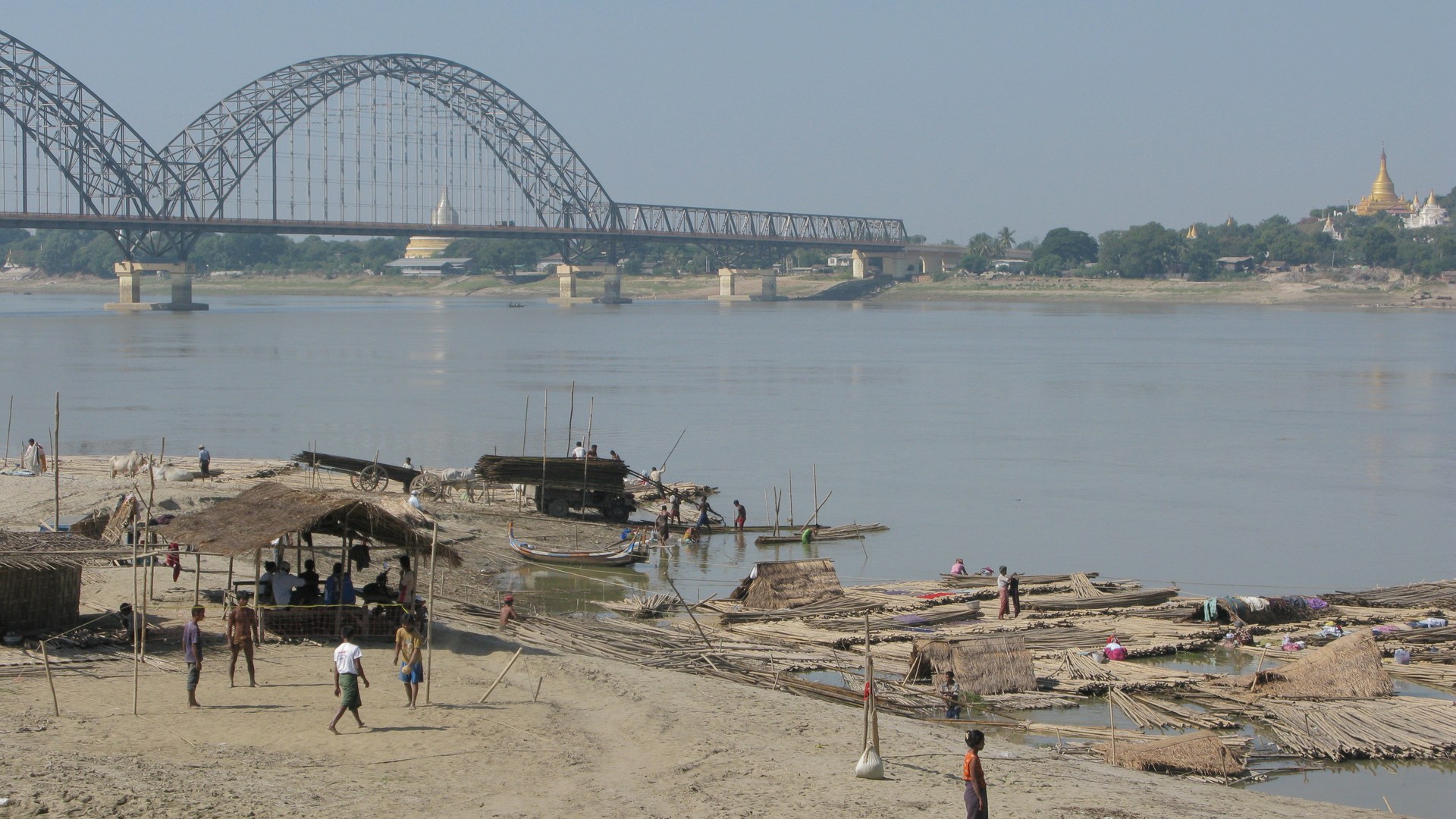
Efforts are underway to establish comprehensive archives documenting the history and cultural importance of the Irrawaddy River, Myanmar's most significant waterway. The initiative brings together historians, archivists, and cultural preservation specialists to collect, digitize, and maintain records spanning generations of the river's relationship with Myanmar's people and development.
The Irrawaddy River has served as the lifeblood of Myanmar civilization for centuries, supporting agriculture, trade, transportation, and settlement patterns across the country. Historical documents, manuscripts, photographs, and records pertaining to the river's role in Myanmar's economic and social development have been scattered across various institutions and private collections.
The archival project seeks to consolidate these materials into an accessible repository that can be preserved for future generations. Digitization efforts will ensure that fragile historical documents are protected from deterioration while making the information available to researchers, educators, and the general public interested in Myanmar's heritage.
By systematizing knowledge about the Irrawaddy River's history, the archives project contributes to broader efforts to document and understand Myanmar's cultural identity. The initiative underscores the importance of protecting historical records as essential resources for scholarly research and national memory.
Photo: The Irrawaddy (Ayeyarwady) River at Sagaing, near Mandalay, Myanmar, December 2008. Vyacheslav Argenberg via Wikimedia Commons (CC BY 4.0).