World · India Bureau
ISL expansion seen as key to bridging India's football development gap
India's football administrators are examining whether an extended Indian Super League season could help narrow the performance disparity exposed by matches against established South American programs. The question reflects broader concerns about the pace of domestic league development.
LSN India ·
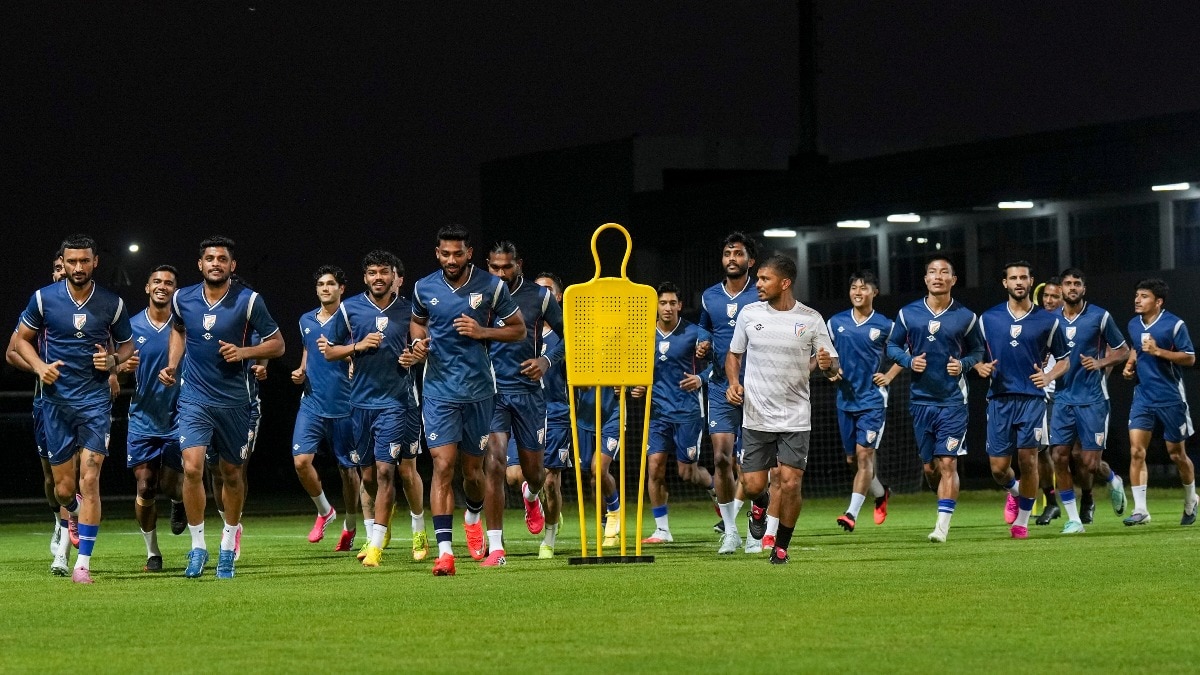
Recent fixtures against Brazilian and Uruguayan opposition have highlighted significant gaps in Indian football's competitiveness, prompting league officials and stakeholders to consider structural reforms. The Indian Super League, which has emerged as the country's premier professional football competition, is now under scrutiny as a potential vehicle for accelerating player development and competitive standards.
Experts and administrators suggest that an extended league season could provide Indian players with greater match exposure and higher-quality competitive experience. A longer calendar would theoretically allow domestic clubs more opportunities to develop playing cohesion, tactical sophistication, and individual skill levels—elements seen as critical deficiencies when Indian teams face established international programs.
The performance differential revealed in recent international contests underscores a persistent challenge for Indian football: the relatively compressed domestic season limits player development compared to leagues in Europe and South America. By extending the ISL season, officials believe clubs could maintain squad fitness and competitive rhythm for longer periods, potentially strengthening the overall talent pool available for national team selection.
However, expanding the league season raises logistical and financial considerations that require careful planning. Club owners, broadcasters, and governing bodies must balance competitive benefits against infrastructure constraints and commercial viability. The discussion reflects India's determination to improve its football ecosystem through domestic league evolution rather than relying solely on foreign recruitment or international coaching interventions.