World · Bangladesh Bureau
Islamic parties deadlocked over leadership structure and coalition terms
Seven Islamic political organisations have found themselves at odds regarding internal governance arrangements and conditions for potential alliance formations. The disagreements underscore broader tensions within Bangladesh's Islamist political spectrum.
LSN Bangladesh ·
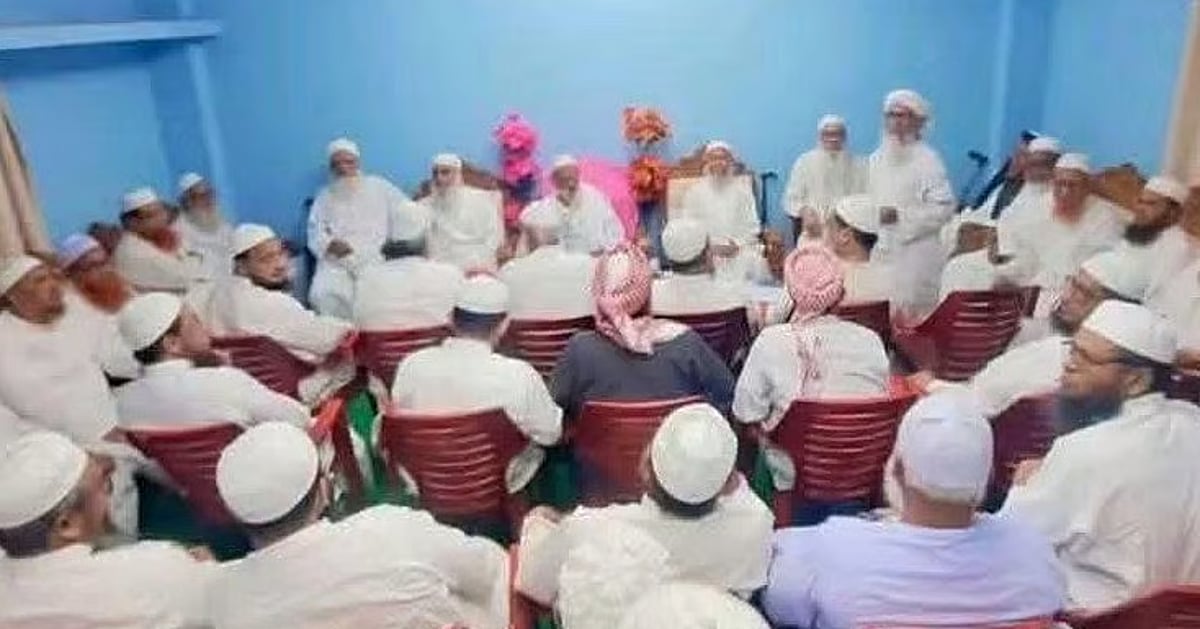
Seven Islamic political parties have become embroiled in disputes concerning leadership hierarchy and the fundamental conditions required for any future political alliance, according to sources familiar with recent discussions among the organisations.
The divisions reflect differing ideological approaches and organisational priorities, with disagreement emerging over how leadership positions should be distributed and what framework would govern any coordinated political action. The parties have reportedly struggled to reach consensus on whether existing power-sharing arrangements would be acceptable to all members of any potential coalition.
These internal fractures within the Islamist political camp highlight persistent challenges in uniting around common platforms. Previous attempts to forge broader alliances have similarly encountered resistance from factions prioritising their own institutional interests and theological interpretations.
Observers note that failure to establish unified positions could weaken the collective political influence of Islamic-oriented parties in national discourse. The unresolved disputes suggest prolonged negotiations may be necessary before any formal alliance structure emerges, if one materialises at all.
The stalled discussions come at a time when Bangladesh's political landscape continues to evolve, with various ideological groupings reassessing their strategic positioning and coalition options for future electoral participation.