World · Bangladesh Bureau
Islamist politics must acknowledge popular sovereignty, scholar argues
Political scientist Ali Riaz contends that Islamist movements pursuing democratic participation must explicitly recognize the principle of popular sovereignty as foundational to their political frameworks.
LSN Bangladesh ·
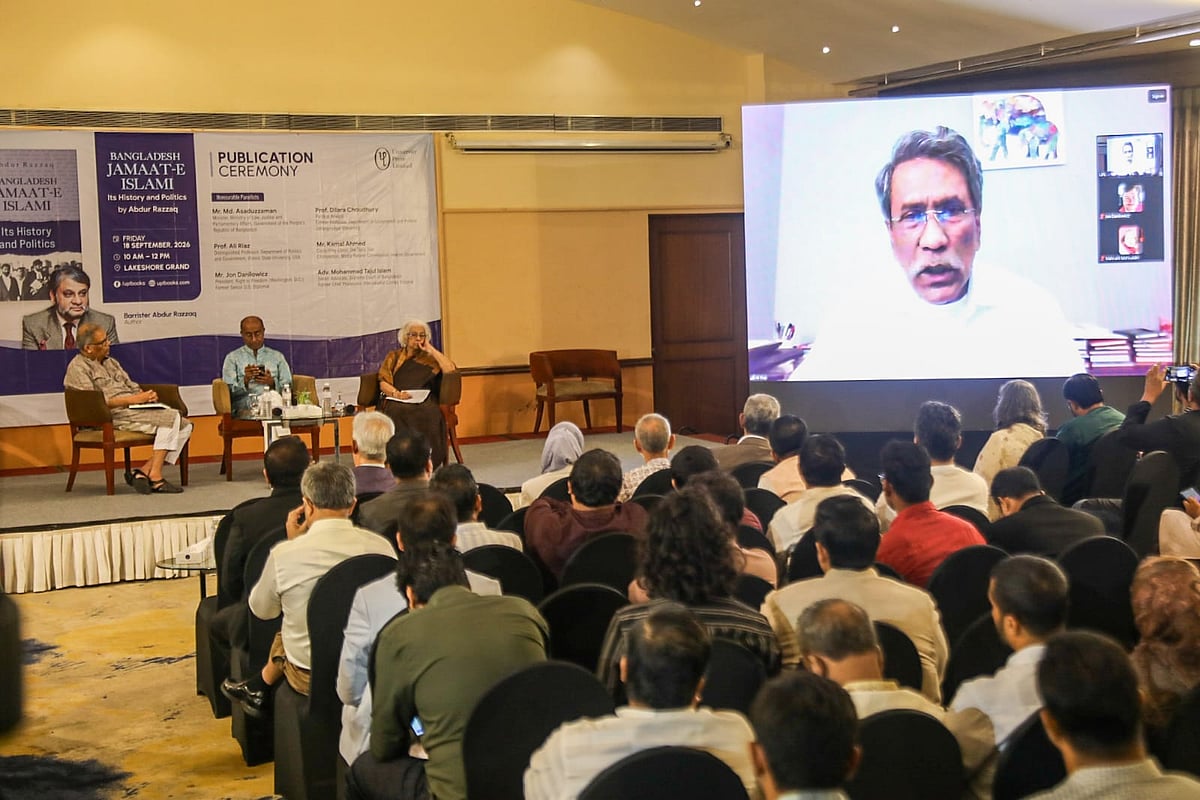
Political theorist Ali Riaz has argued that Islamist political movements seeking to engage with democratic systems need to fundamentally acknowledge popular sovereignty as a core principle of governance. The recognition of people's authority to determine their own political future represents an essential requirement for Islamist parties operating within democratic contexts, according to Riaz's analysis.
Riaz's position suggests that Islamist political actors cannot simply adopt democratic procedures while sidestepping the underlying principle that government legitimacy derives from the consent and will of the populace. This distinction between mechanical adoption of democratic mechanisms and genuine acceptance of popular sovereignty represents a critical philosophical divide in contemporary Islamist political thought.
The argument carries particular relevance for South Asian democracies where Islamist parties maintain significant political presence and influence. Riaz's framework proposes that explicit recognition of popular sovereignty would strengthen the ideological coherence of Islamist political engagement rather than diminish it, potentially resolving tensions between religious authority claims and democratic legitimacy.
The scholar's position reflects ongoing scholarly debates about the compatibility of Islamist ideology with democratic governance principles, particularly regarding questions of sovereignty, authority, and the sources of legitimate political power in modern nation-states.