World · India Bureau
Island Ecosystem Rebounds After Invasive Mice Eradication Program
Ground beetle populations on Antipodes Island have surged approximately 40-fold following the successful removal of invasive house mice, demonstrating the significant ecological benefits of targeted species eradication efforts.
LSN India ·
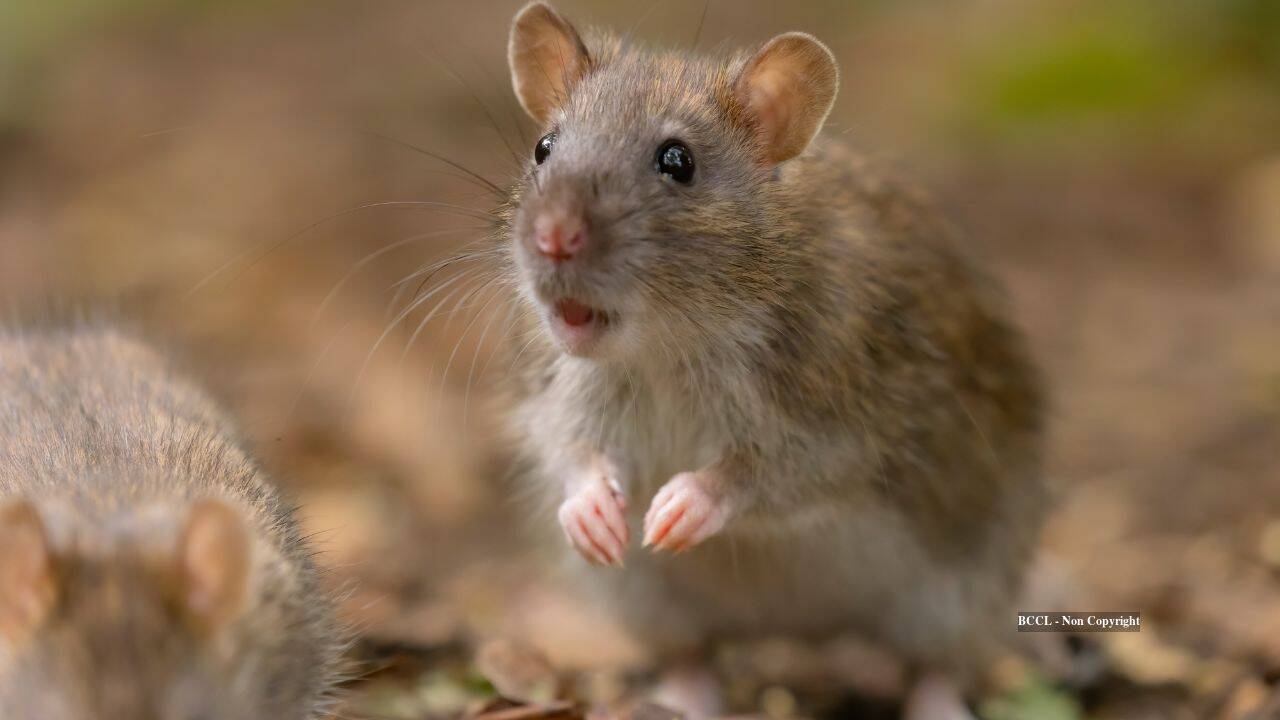
The elimination of invasive house mice from Antipodes Island has triggered a dramatic ecological recovery, with ground beetle populations rebounding to levels roughly 40 times higher than previously recorded. The transformation underscores the cascading positive effects that invasive species removal can have on island ecosystems, where such introduced predators often disrupt delicate ecological balances.
The resurgence in ground beetle numbers represents a critical component of ecosystem restoration on the remote island. These invertebrates serve as essential food sources for native bird species, whose survival prospects improve substantially with the restoration of abundant prey populations. The removal of mice, which competed for similar resources and preyed upon ground-dwelling organisms, has allowed beetle populations to flourish without the pressure of predation and resource competition.
The ecological transformation on Antipodes Island highlights the broader importance of addressing invasive species threats in isolated island environments, where native fauna often lack evolved defenses against introduced predators. Scientists emphasize that sustained monitoring remains essential to fully understand the long-term dynamics of ecosystem recovery following such interventions. Continued observation will provide valuable insights into how island food webs restructure themselves following the removal of invasive species, potentially informing conservation strategies in similar ecosystems across the region.