World · India Bureau
Island ecosystem rebounds after successful rat eradication programme
A decade-long ecological restoration effort on Hawadax Island has yielded significant conservation gains following the complete removal of invasive rats in 2008. The successful initiative has enabled seabird populations to rebound and kelp ecosystems to flourish, offering valuable lessons for biodiversity protection efforts across the region.
LSN India ·
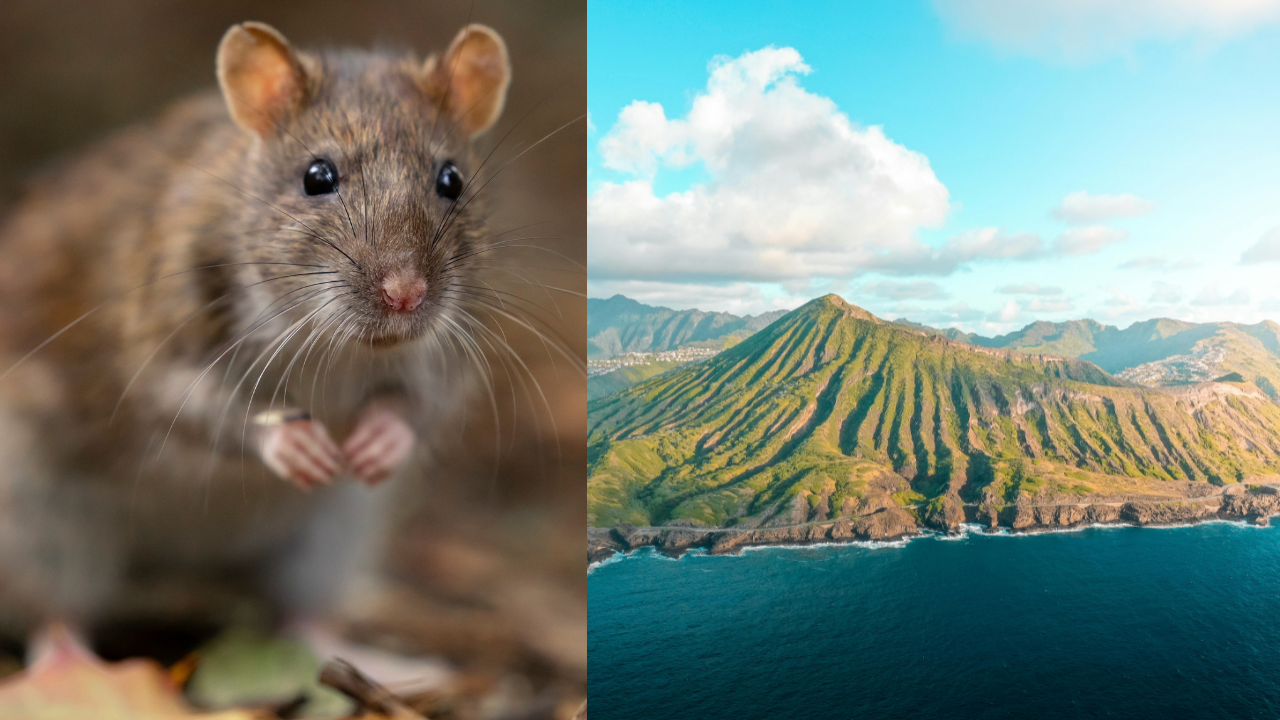
Hawadax Island's ecosystem has undergone a remarkable transformation since an ambitious rat eradication programme eliminated the invasive species that had devastated the island for over 200 years. The rodents had severely impacted seabird populations and disrupted the broader food web that sustains marine and terrestrial life on the island.
Following the 2008 eradication initiative, seabird populations have steadily returned to the island, restoring ecological functions that had been compromised by the presence of invasive rats. As bird populations recovered, they resumed their natural roles in maintaining ecosystem balance, including nutrient cycling and predator-prey relationships.
The revival of seabird communities has catalysed the recovery of previously degraded habitats. Kelp-rich intertidal ecosystems, once suppressed by ecological imbalance, have flourished as natural conditions were restored. These kelp forests serve as critical habitats for numerous marine species and play an essential role in coastal food webs.
Conservation experts regard the Hawadax Island project as a significant success story for ecological restoration. The programme demonstrates that targeted invasive species removal, when executed comprehensively, can reverse decades of environmental degradation and restore ecosystems to functioning states. The findings underscore the potential for similar conservation initiatives across vulnerable island ecosystems in Asia and beyond.