World · Vietnam Bureau
Island Nation's Vast Ocean Territory Dwarfs Its Tiny Landmass
An Asian archipelago comprises approximately 90,000 square kilometers of territory, with over 99 percent consisting of ocean waters rather than dry land. The nation's unique geography makes it one of the world's most maritime-dependent countries.
LSN Vietnam ·
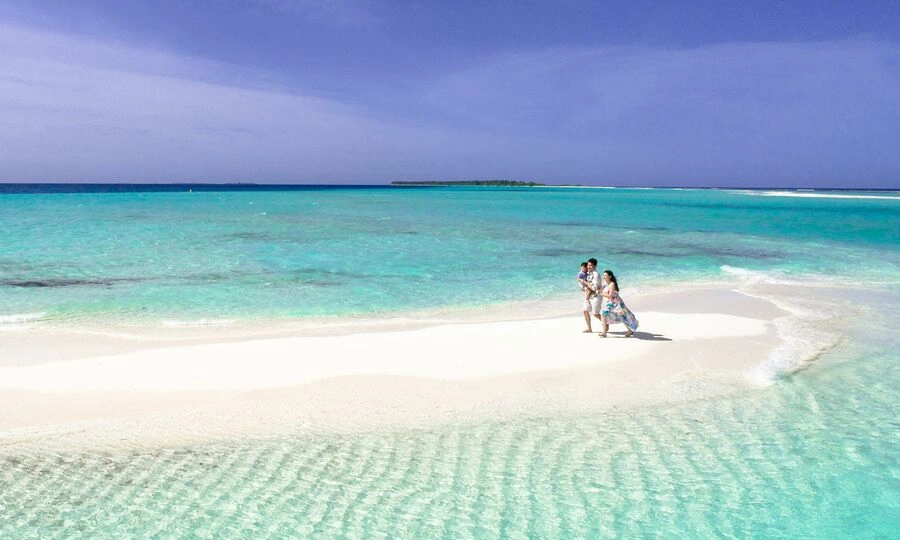
The Maldives, a South Asian island nation, presents a striking geographical anomaly where seawater dominates its territorial composition far more than land. With a total area of roughly 90,000 square kilometers, the country's actual land coverage accounts for less than one percent of this expanse, making it exceptionally dependent on its marine environment.
The nation consists of approximately 1,190 coral islands scattered across the Indian Ocean, primarily concentrated in 26 atolls. This dispersed island configuration means that water separates communities and defines the nation's character, with residents and infrastructure spread across multiple island groups rather than concentrated on a single landmass.
The country's unique maritime geography presents both opportunities and challenges. While the vast ocean territory provides access to marine resources and exclusive economic zones beneficial for fishing and maritime trade, it simultaneously exposes the nation to climate and environmental vulnerabilities. Rising sea levels and ocean conditions directly threaten the low-lying islands that comprise the nation's inhabited territories.
This exceptional ratio of water to land distinguishes the Maldives among Asian nations, shaping its economy, culture, and strategic interests. The nation's development and survival remain inextricably linked to maritime stewardship and ocean management, making environmental and climate policies central to national survival and prosperity.