World · India Bureau
Island's rodent control effort pays dividends as puffin populations surge
A successful rat eradication programme on a British island has led to a dramatic resurgence in seabird populations, with over 40,000 puffins returning to breed in recent seasons. The conservation success demonstrates the impact of removing invasive predators from sensitive ecosystems.
LSN India ·
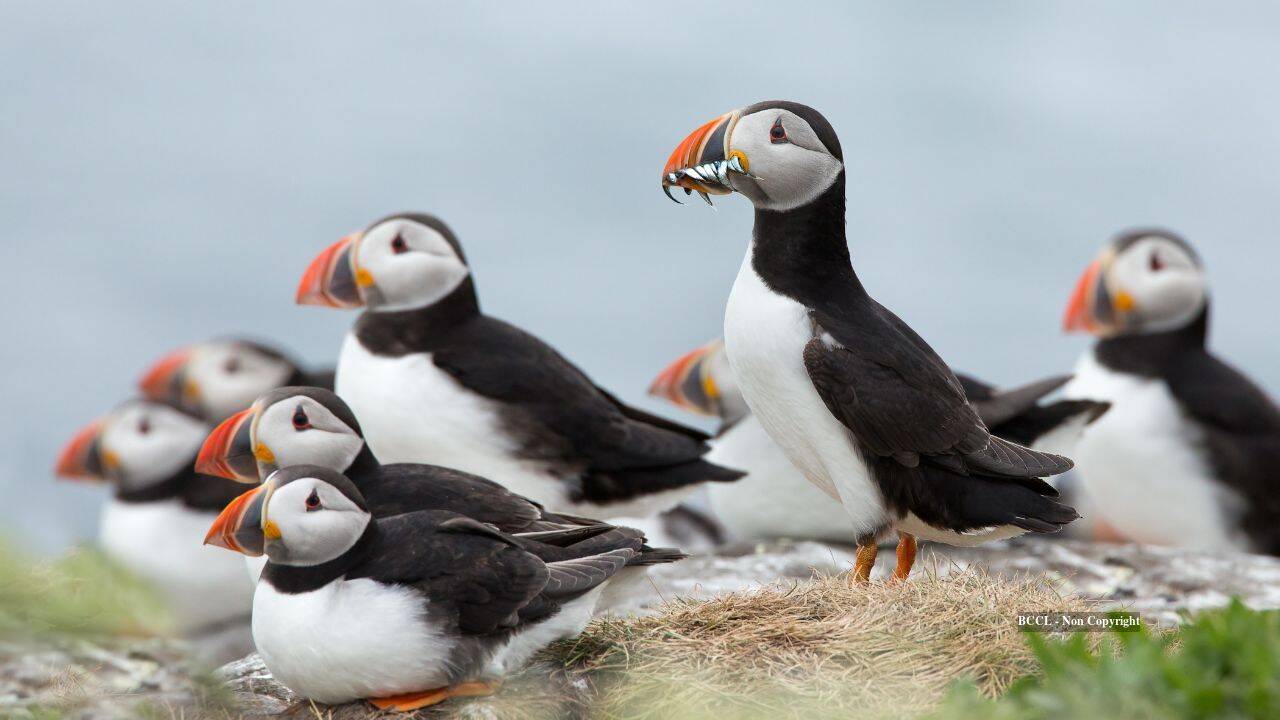
An ambitious wildlife restoration project has yielded remarkable results, with puffin numbers rebounding significantly following the elimination of rats from a small island ecosystem. The successful removal of the invasive rodent population has removed a major threat to breeding seabirds, allowing colonies to expand substantially.
The resurgence marks a turning point for conservation efforts in the region, with more than 40,000 puffins now returning annually to breed and nest. The birds, which had been severely impacted by predation and competition for resources, are now establishing larger and healthier breeding colonies across the island.
Rat populations had devastated local seabird communities by preying on eggs and chicks, while also competing for food sources. The eradication programme targeted this invasive species specifically, allowing native bird populations to recover without additional intervention required.
Conservationists regard the project as a case study in successful ecosystem management. By addressing a single invasive species, researchers have demonstrated how targeted interventions can trigger broader ecological recovery and restore balance to vulnerable island environments.
The initiative highlights the interconnected nature of island ecosystems and the cascading benefits that emerge when invasive threats are removed. As puffin populations continue to stabilise and grow, the restored island serves as a model for future seabird conservation programmes across similar habitats.