Politics · World News Bureau
Israel faces coalition puzzle as rival leaders seek 61-seat majority
Israel's political system requires coalition governance, forcing Benjamin Netanyahu and challenger Benny Eisenkot to negotiate complex alliances to secure a Knesset majority. The stakes are high as neither bloc commands an outright 61-seat advantage in the 120-seat parliament.
LSN World News ·
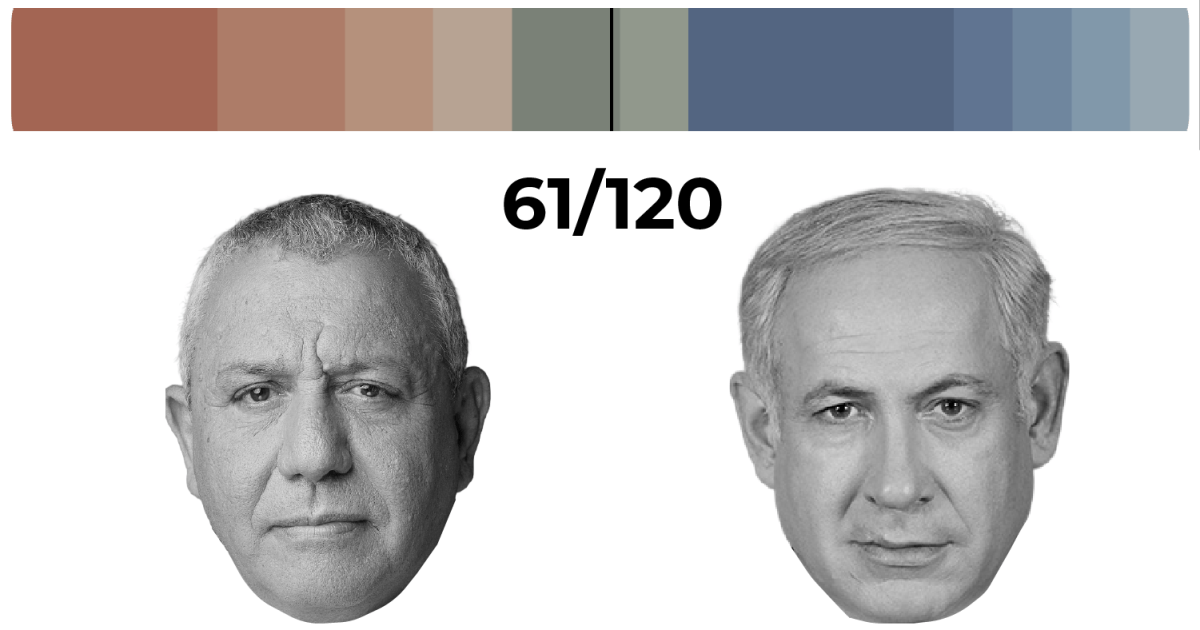
Israel's next government will depend on a leader's ability to assemble a functional coalition from the fractured Knesset, where no single party holds a majority. The country has governed exclusively through multi-party coalitions since its founding, requiring complex negotiations between parties with competing ideological and policy priorities.
Benjamin Netanyahu and former military chief Benny Eisenkot represent opposing blocs competing to form the next administration. Each would need to secure at least 61 of the Knesset's 120 seats—a threshold that neither appears to command independently. Success depends on negotiations with smaller parties willing to join a coalition government.
The coalition arithmetic typically involves balancing demands from right-wing, left-wing, and religious parties, each seeking ministerial positions and policy concessions. Ultra-orthodox Jewish parties, Arab-backed factions, and single-issue parties often hold disproportionate influence in coalition talks, as their votes may prove decisive in reaching the required majority.
Previous Israeli governments have collapsed when coalition partners withdrew support over disputes regarding military service, settlement policies, or budgetary matters. Stability requires careful management of competing interests and sufficient common ground on core governance issues. The formation process can extend for weeks or months as parties negotiate portfolios and legislative priorities.