Politics · World News Bureau
Israel Faces Coalition Talks as Election Deadlock Persists
No single political party has secured the 61-seat parliamentary majority needed to form a government following Israel's latest election. Coalition negotiations remain the only path forward for establishing a functioning administration.
LSN World News ·
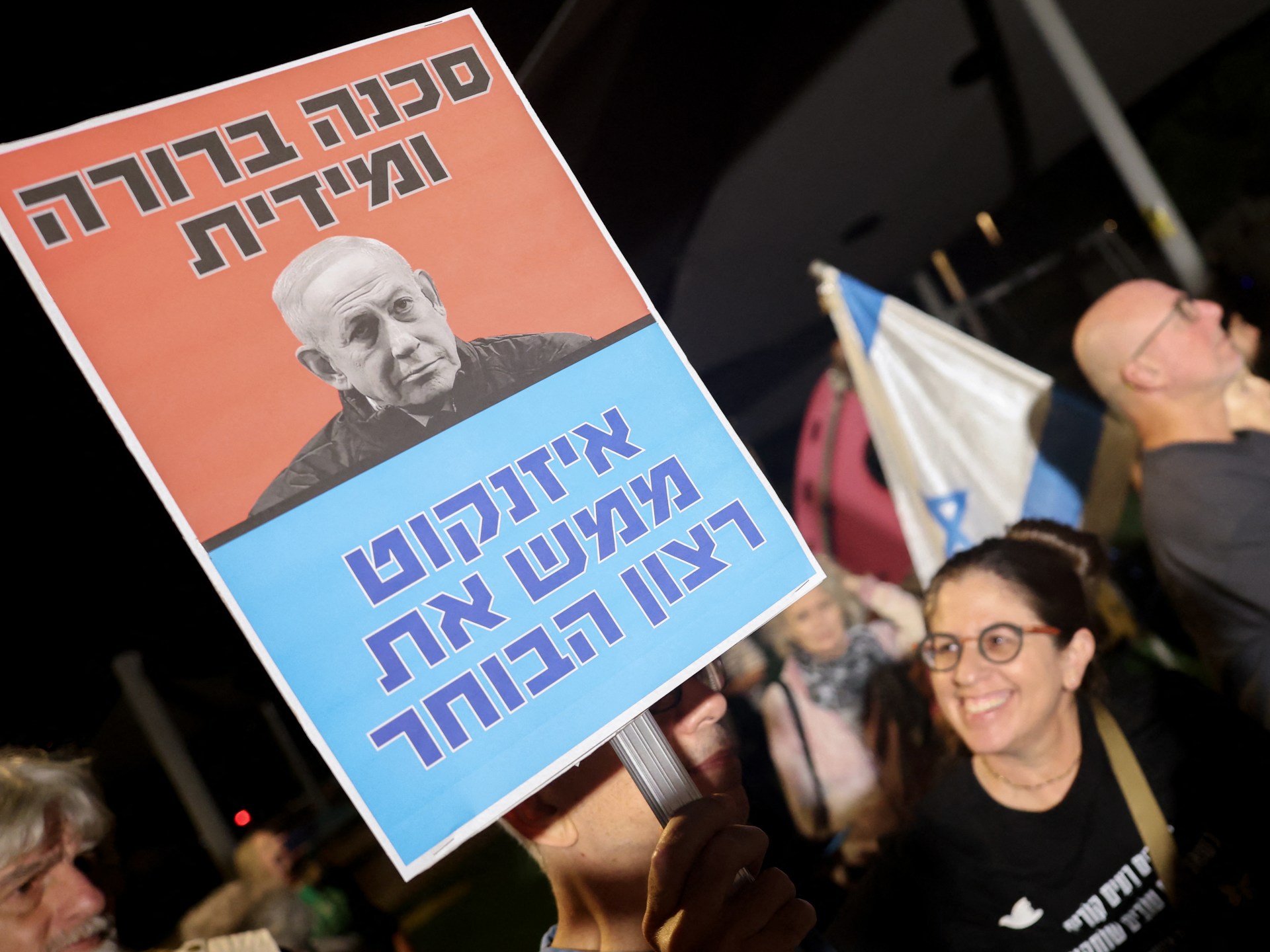
Israel's political system faces a critical juncture as the country grapples with a fractured electoral outcome that has left no party with sufficient seats to govern independently. The Knesset, Israel's 120-member parliament, requires a coalition commanding at least 61 seats to establish a viable government with executive authority.
With no party achieving this threshold, political leaders must now pursue complex coalition negotiations to assemble a governing majority. These discussions typically involve multiple parties agreeing to share ministerial positions and support key legislation, a process that can prove prolonged and contentious depending on the ideological distances between potential coalition partners.
The deadlock underscores deeper divisions within Israeli society, reflected in the dispersal of parliamentary seats across numerous political factions spanning the ideological spectrum from left to right. Previous election cycles have similarly resulted in extended negotiations, during which caretaker governments manage day-to-day affairs while coalition formation continues.
Successful coalition formation requires not only mathematical arithmetic but also political compromise on core policy issues. Prospective partners must reconcile positions on matters ranging from security and settlement policy to religious law and economic governance, making negotiations inherently unpredictable in both timeline and outcome.