Politics · India Bureau
Israel's election polls close as counting begins for parliamentary seats
Voting has concluded in Israel's parliamentary election with ballot counting now underway across the country. The results will determine the composition of the Knesset and set the stage for government formation negotiations.
LSN India ·
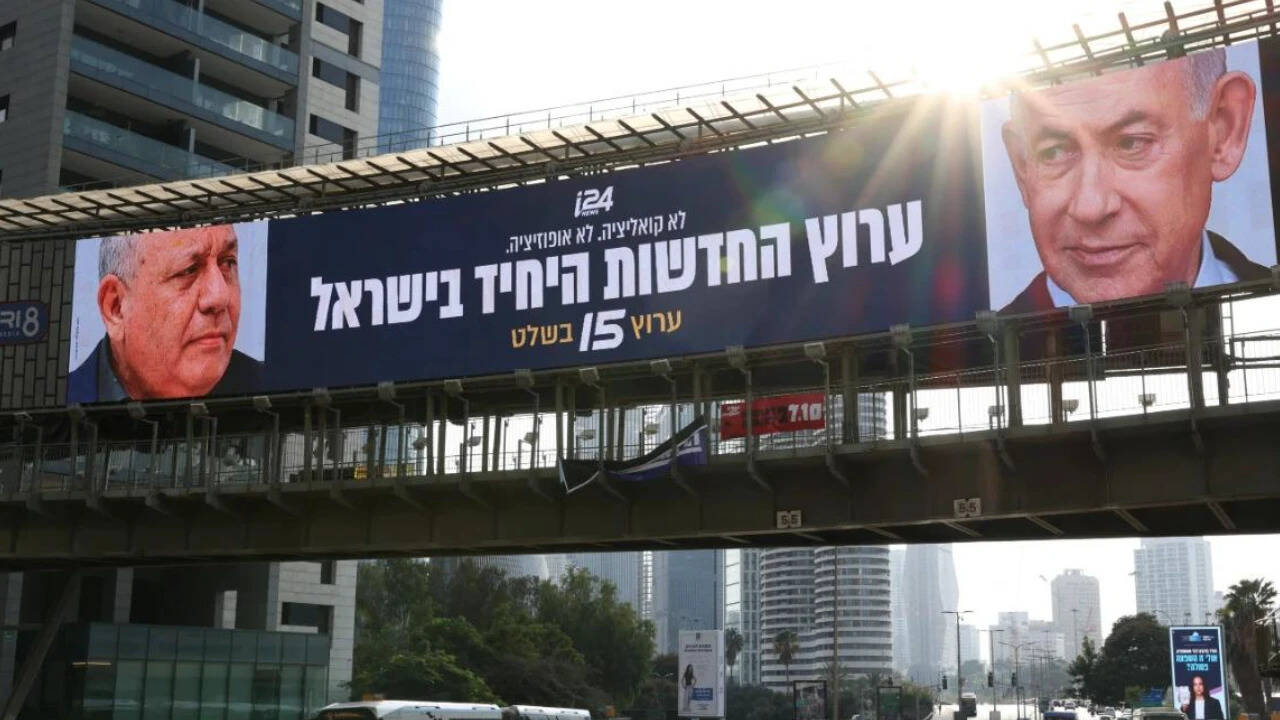
Polling stations across Israel have closed following election day, with officials now engaged in the systematic counting of ballots cast by voters. The election determines the 120 seats in Israel's Knesset, the country's unicameral legislature, with various political parties competing for representation.
Once counting is completed, election officials will certify the results showing each party's seat allocation based on the proportional representation system used in Israeli elections. The preliminary results are typically available within hours of polls closing, allowing political analysts and observers to begin assessing the electoral landscape.
Following the announcement of results, the real political work begins. The president of Israel will task a member of Knesset, typically from the largest party or a party leader with demonstrated coalition-building capability, with forming a government. This individual has up to 42 days to negotiate and secure agreements with other parties to build a coalition commanding at least 61 Knesset seats.
The coalition-building process involves complex negotiations between parties with differing ideologies and policy priorities. Parties may demand ministerial positions, policy concessions, or budgetary allocations in exchange for joining the coalition. These talks can be protracted, with previous Israeli governments taking weeks or even months to finalize their composition.
Once a coalition agreement is reached, the government is formally sworn in. The process shapes not only who holds executive power but also influences Israel's domestic and foreign policy direction for the ensuing parliamentary term.